Understanding Foot Drop
Introduction to Foot Drop
What Is Foot Drop?
Foot drop is a simple name for a complex issue. It's not a disease in itself, but rather a sign of an underlying problem. The term describes difficulty lifting the front part of your foot. If you have foot drop, your toes might drag on the ground as you walk.
Because you can't lift the front of your foot, you might unconsciously raise your thigh higher when you walk, as if you're climbing stairs. This distinctive walk is called a steppage gait.
This condition can also cause the foot to slap down onto the floor with each step. It can happen in one or both feet. At its core, foot drop is a problem with the nerves or muscles that control the foot's upward movement.
The Anatomy of a Step
To understand foot drop, we need to look at the anatomy of the lower leg. Lifting your foot towards your shin is an action called dorsiflexion. This movement is powered by muscles on the front of your lower leg, primarily the tibialis anterior. For these muscles to work, they need to receive a signal from the brain.
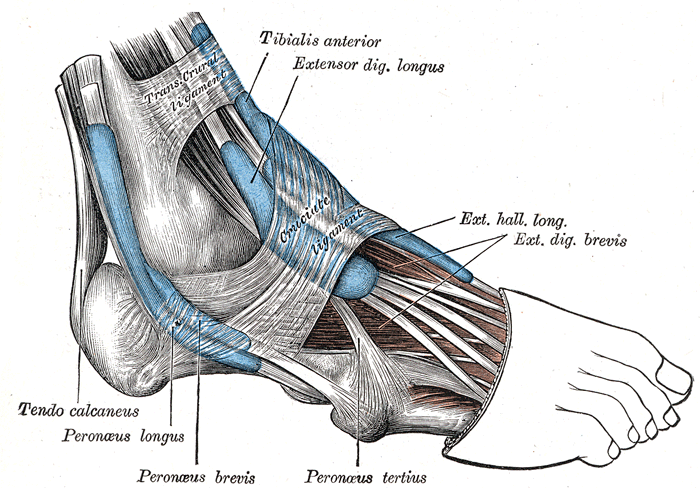
That signal travels down your spinal cord and through a specific nerve called the peroneal nerve. The peroneal nerve is a branch of the sciatic nerve. It wraps around the outside of your knee, close to the surface of the skin, before traveling down the front of your shin to the muscles that lift the foot.
Because the peroneal nerve is so close to the surface near the knee, it's vulnerable to injury. If this nerve is compressed or damaged, the signal from the brain can't reach the muscles properly. Without that signal, the muscles can't contract to lift the foot, resulting in foot drop.
Why This Matters
Understanding the basics of foot drop is the first step toward addressing it. When you can describe your symptoms accurately, it helps healthcare professionals pinpoint the underlying cause. Knowing that the issue might relate to a specific nerve or muscle group allows for a more focused conversation with your doctor.
Being able to say "I have trouble with dorsiflexion" is much more precise than saying "My foot is weird."
This foundational knowledge empowers you to ask better questions and understand the potential reasons for your condition. While this overview doesn't cover causes or treatments, it gives you the vocabulary and anatomical context to navigate the next steps in your healthcare journey.