Understanding Fog Types
Introduction to Fog
A Cloud on the Ground
At its simplest, fog is just a cloud that forms at or near the Earth's surface. It's a visible collection of tiny water droplets, or in freezing temperatures, ice crystals, suspended in the air. This suspension happens when water vapor, the gaseous form of water, cools and condenses into a liquid or solid state.
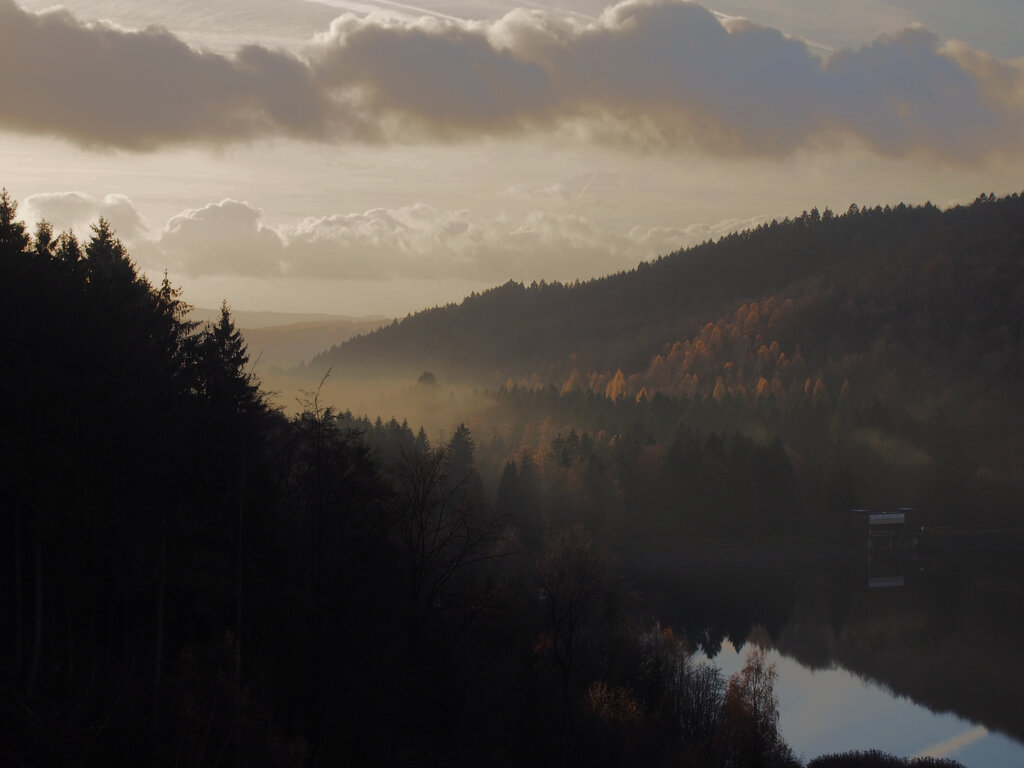
The result is a low-lying cloud that can reduce visibility significantly, making the world feel quiet and enclosed. The density of these droplets determines how thick the fog is and how far you can see through it.
Fog, Mist, or Haze?
People often use the words fog, mist, and haze interchangeably, but in meteorology, they have specific meanings that all come down to visibility and composition. The main difference between fog and mist is density. Fog is essentially a thick mist. If you can see more than 1 kilometer (about 0.62 miles) through it, it's officially considered mist. If visibility drops below that, it's fog.
Haze is different altogether. While fog and mist are made of water droplets, haze is caused by tiny dry particles in the air, like dust, smoke, or pollution. These particles scatter sunlight, creating a whitish or bluish veil over the landscape, especially on hot, still days.
| Phenomenon | Composition | Visibility |
|---|---|---|
| Fog | Water droplets or ice crystals | Less than 1 km (0.62 mi) |
| Mist | Water droplets or ice crystals | 1 to 2 km (0.62 to 1.2 mi) |
| Haze | Dry particles (dust, smoke) | Can be less than 5 km (3 mi) |
Why Fog Matters
Fog has a major impact on human activity, primarily by reducing visibility. It can cause significant delays for air, sea, and land travel. Driving in dense fog is dangerous, and airports may ground flights until conditions improve. This disruption highlights our dependence on clear lines of sight.
But fog also plays a vital environmental role. In some coastal deserts, like the Atacama Desert in Chile, fog is the main source of moisture for unique plant and animal ecosystems. Specialized plants have adapted to capture water directly from the air as fog rolls in from the ocean.
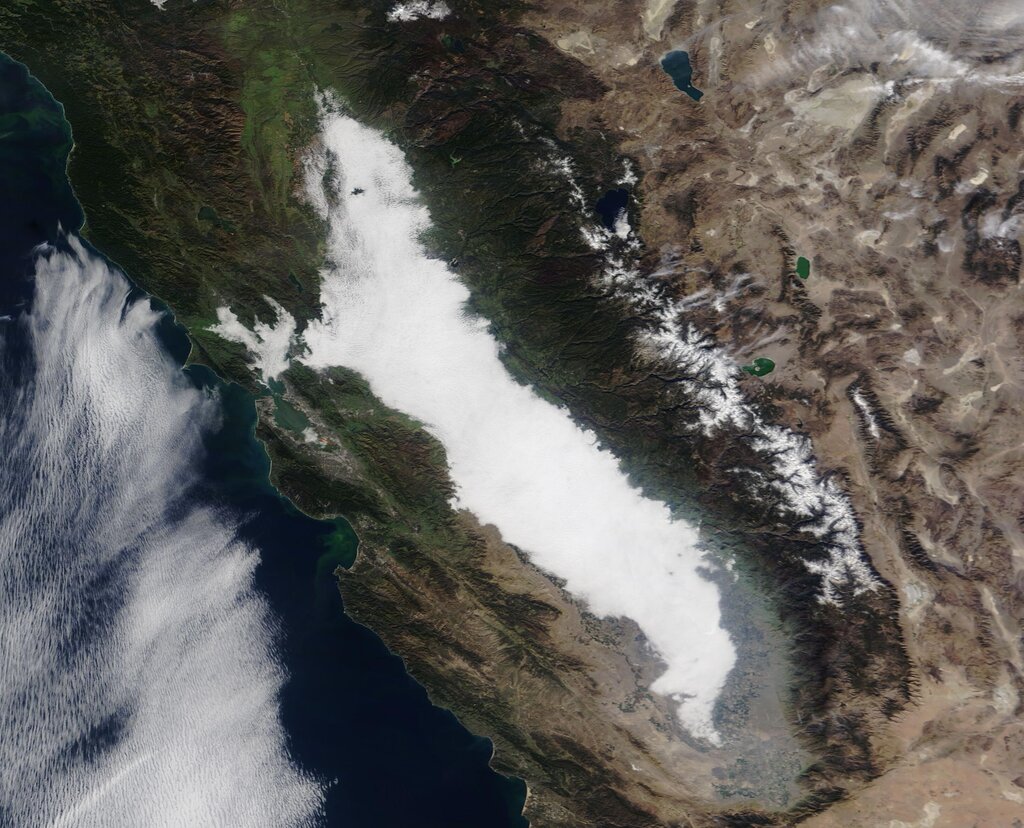
Not all fog is the same. Just as there are different types of clouds in the sky, there are several ways fog can form. The specific conditions of temperature, humidity, and landscape lead to different types of fog, each with its own characteristics.
What is the fundamental definition of fog?
The primary factor that distinguishes fog from mist is _______.
Now you have a clear picture of what fog is and how it differs from similar phenomena. Next, we'll explore the different ways it can form.