Understanding Fasting
Introduction to Fasting
The Basics of Fasting
At its core, fasting is the voluntary decision to abstain from food, drink, or both for a specific period. It's not about starvation, which is an involuntary lack of food. Instead, fasting is a conscious choice, often made for health, spiritual, or religious reasons.
Fasting is the voluntary abstention from food, drink, or certain activities for a specific period to focus on spiritual growth and dependence on God.
While recently popular for its health implications, this practice is as old as human history itself. It has been a cornerstone of many cultures and nearly every major religion for thousands of years, used as a tool for purification, self-discipline, and deepening spiritual connection.
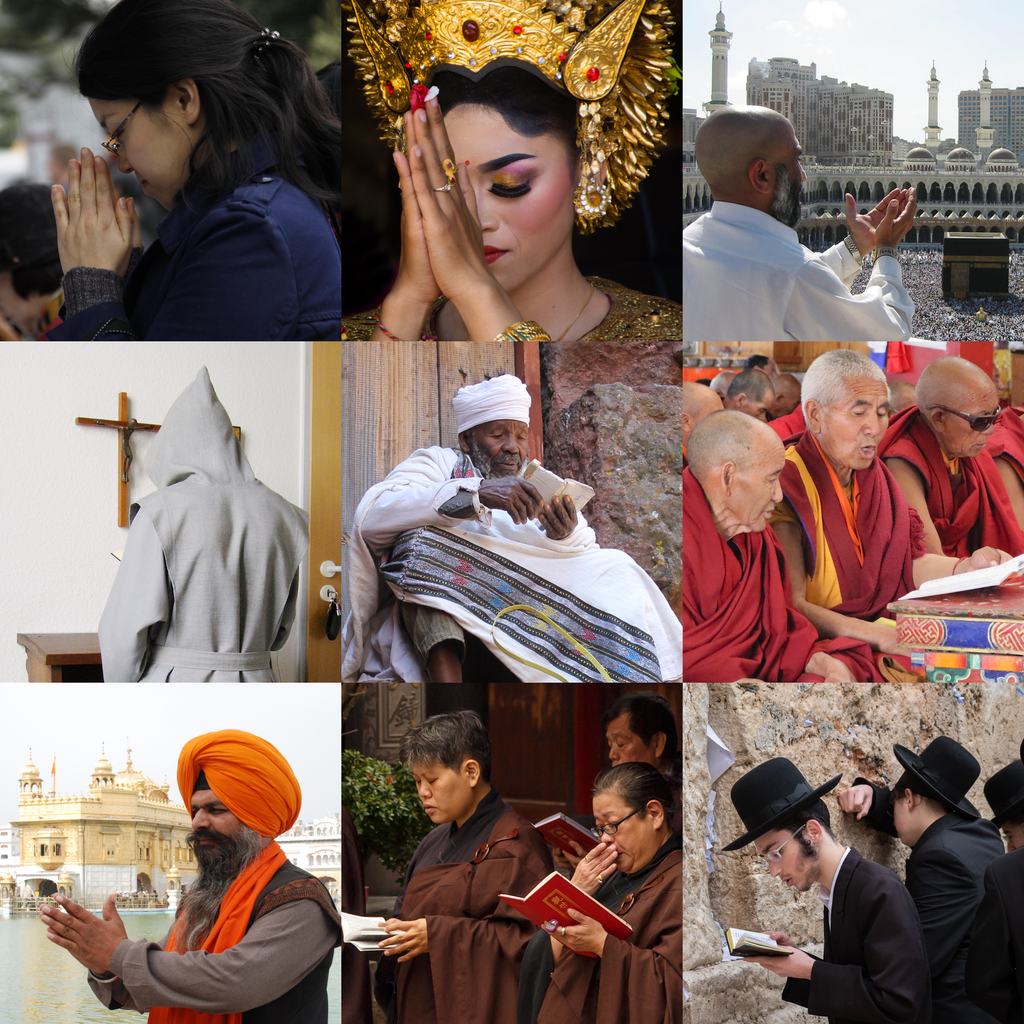
A Global Tradition
Fasting's roots run deep across the globe. Ancient Greek physicians like Hippocrates prescribed it to treat illness. Philosophers like Plato and Aristotle fasted to enhance mental clarity. In spiritual traditions, fasting is a common thread. For example:
- Islam: Muslims observe a month-long fast during Ramadan, abstaining from all food and drink from dawn until sunset.
- Christianity: Many Christians fast during Lent, a 40-day period of reflection before Easter, often giving up certain foods or meals.
- Judaism: Yom Kippur, the Day of Atonement, involves a 25-hour fast as a means of repentance.
- Buddhism: Monks and lay followers may fast as a way to practice moderation and mindfulness.
- Hinduism: Fasting is an integral part of worship, observed on various holy days and festivals to purify the body and mind.
Modern Approaches to Fasting
Today, fasting has evolved beyond its traditional roots into structured eating patterns studied for their physiological effects. These methods are defined by the timing and duration of the eating and fasting periods. Here are some of the most common approaches.
| Type | Description | Common Pattern |
|---|---|---|
| Time-Restricted Eating | All calories are consumed within a specific window each day. | Eating within an 8-hour window and fasting for 16 hours (16:8 method). |
| Alternate-Day Fasting | Involves alternating between days of normal eating and days of complete fasting or very low calorie intake. | Eat normally on Monday, fast on Tuesday, eat normally on Wednesday, etc. |
| Periodic Fasting | Involves fasting for more than 24 hours, often for several days. | A 2-day fast once a month or a 5-day fast a few times per year. |
| The 5:2 Diet | A form of intermittent fasting where you eat normally for five days a week and restrict calories significantly on two non-consecutive days. | Eating normally on most days, but only 500-600 calories on Tuesday and Thursday. |
Each of these methods interacts with the body's metabolism differently. The choice of which to follow often depends on an individual's goals, lifestyle, and health status.
What is the primary characteristic that distinguishes fasting from starvation?
Which ancient Greek philosopher was mentioned as someone who fasted to improve mental clarity?
Understanding the what, why, and how of fasting provides a solid foundation for exploring its specific applications and effects on the body.