Understanding Facial Twitches
Facial Twitching Overview
Decoding Facial Twitches
An unexpected flutter of an eyelid or a subtle quiver in the cheek is a common experience. Most of the time, these twitches are harmless and disappear as quickly as they arrive. But when they become persistent or more forceful, they can be signs of specific neurological conditions. Let's explore three distinct types of facial twitching: facial myokymia, hemifacial spasm, and blepharospasm.
Myokymia
noun
A condition characterized by continuous, fine, rippling or quivering movements of a muscle.
Facial myokymia is the most common and least severe type of facial twitch. It feels like a gentle, worm-like ripple under the skin. The eyelid is the most frequent location, but it can also occur around the cheek or mouth. These twitches are typically temporary and benign, often linked to triggers like stress, fatigue, eye strain, or too much caffeine. They usually resolve on their own once the underlying trigger is addressed.
Hemifacial Spasm
Unlike the subtle flutter of myokymia, a hemifacial spasm involves more forceful, involuntary contractions of the muscles on one side of the face. The term "hemi" means half, which points to the key feature of this condition: it almost always affects only the left or right side, not both.
The spasms typically begin around the eye, causing the eyelid to twitch or shut completely. Over time, the contractions can spread downwards to involve the cheek, mouth, and sometimes the neck muscles on the same side.
These spasms are caused by irritation of the facial nerve (the 7th cranial nerve). Most often, this irritation comes from a blood vessel pressing on the nerve as it exits the brainstem. The constant pulsation from the artery creates an unwanted signal, causing the facial muscles to contract. Hemifacial spasm is relatively rare, affecting about 11 in every 100,000 people. It's more common in women and typically begins in middle age.
Blepharospasm
Blepharospasm is a type of focal dystonia, a movement disorder that causes involuntary muscle contractions. This condition is specific to the muscles around the eyes, particularly the orbicularis oculi, which is responsible for closing the eyelids. A key difference from hemifacial spasm is that blepharospasm is bilateral, meaning it affects both eyes.
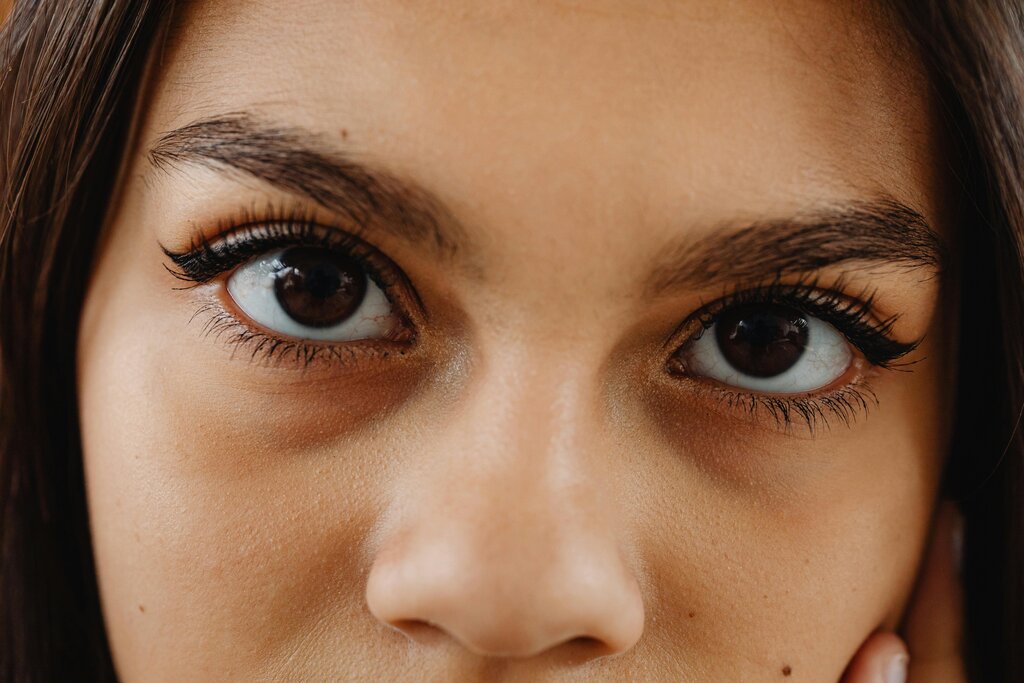
It often starts with subtle, increased blinking in response to bright light, wind, or stress. As the condition progresses, the spasms can become more forceful and frequent, causing the eyelids to clamp shut for seconds or even minutes at a time. This can be functionally blinding, even though the eyes themselves are healthy.
Blepharospasm affects approximately 5 in every 100,000 people and, like hemifacial spasm, is more prevalent in women and usually begins between the ages of 50 and 70. Its exact cause is often unknown but is thought to involve abnormal functioning in the basal ganglia, a part of the brain that helps control movement.
| Feature | Facial Myokymia | Hemifacial Spasm | Blepharospasm |
|---|---|---|---|
| Muscles Involved | Small muscle bundles (e.g., eyelid) | Muscles on one side of the face | Muscles around both eyes |
| Sensation | Fine, rippling quiver | Noticeable muscle contractions | Forceful, repetitive blinking/squeezing |
| Laterality | Unilateral | Unilateral | Bilateral |
| Common Cause | Fatigue, caffeine, stress | Nerve compression | Basal ganglia dysfunction |
| Progression | Usually temporary | Can worsen and spread on one side | Can worsen in frequency and force |
Understanding these distinctions is the first step in diagnosing and managing involuntary facial movements. While some twitches are a minor nuisance, others can significantly impact daily life.