Understanding Expositions
Introduction to Expositions
What is an Exposition?
An exposition, often called an expo or world's fair, is a massive public exhibition. Think of it as a global show-and-tell where countries, companies, and organizations gather to showcase their latest achievements and ideas. These events aren't just about showing off; they're platforms for sharing innovations, fostering cultural exchange, and encouraging international dialogue.
Exposition
noun
A large-scale public exhibition or show, especially one of industrial, scientific, or artistic achievements.
For months at a time, a host city transforms a large area into a campus of pavilions, exhibits, and event spaces. Each participant builds a pavilion to represent its unique culture and contributions to a central theme, which might be anything from urban sustainability to the future of energy. The goal is to bring people together to learn from one another and collaborate on solving some of the world's biggest challenges.
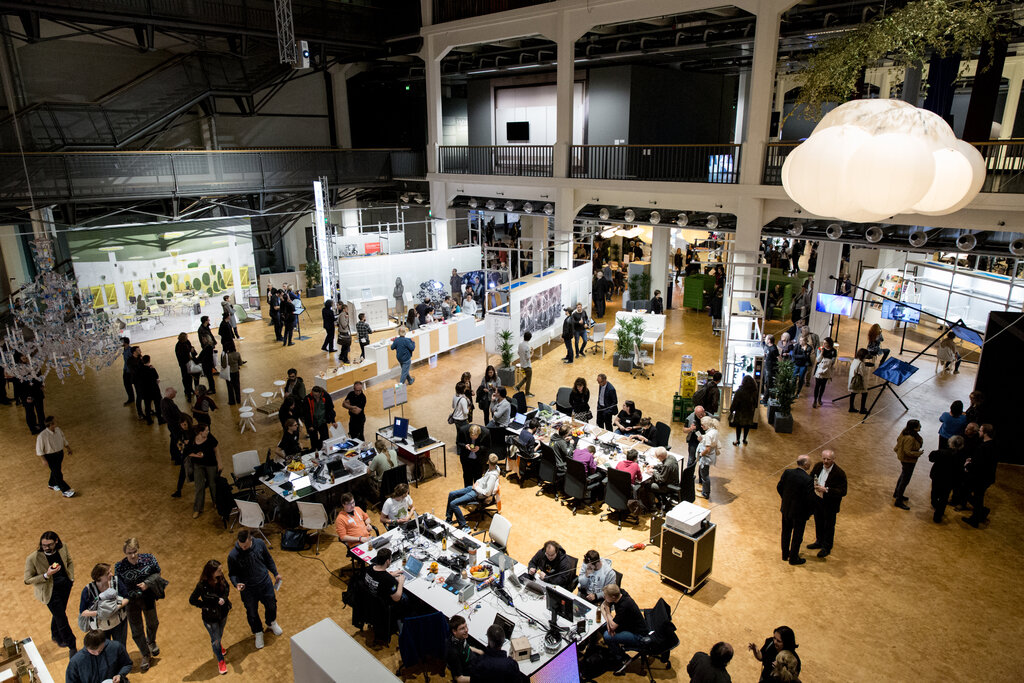
A Platform for Progress
At their core, expos are about progress. They act as a deadline for innovation, pushing participants to develop and present new inventions and forward-thinking concepts. Many things we take for granted today, like the telephone and the Eiffel Tower, were first introduced to the public at world's fairs.
Beyond technology, expos are powerful tools for diplomacy and cooperation. By creating a neutral space for nations to gather, they promote cross-cultural understanding and dialogue. It's a chance for countries to share their vision for the future and work together on shared goals, addressing fundamental issues that affect all of humanity.
Expos bring the world to one place to showcase solutions to global challenges, encouraging collaboration and celebrating human ingenuity.
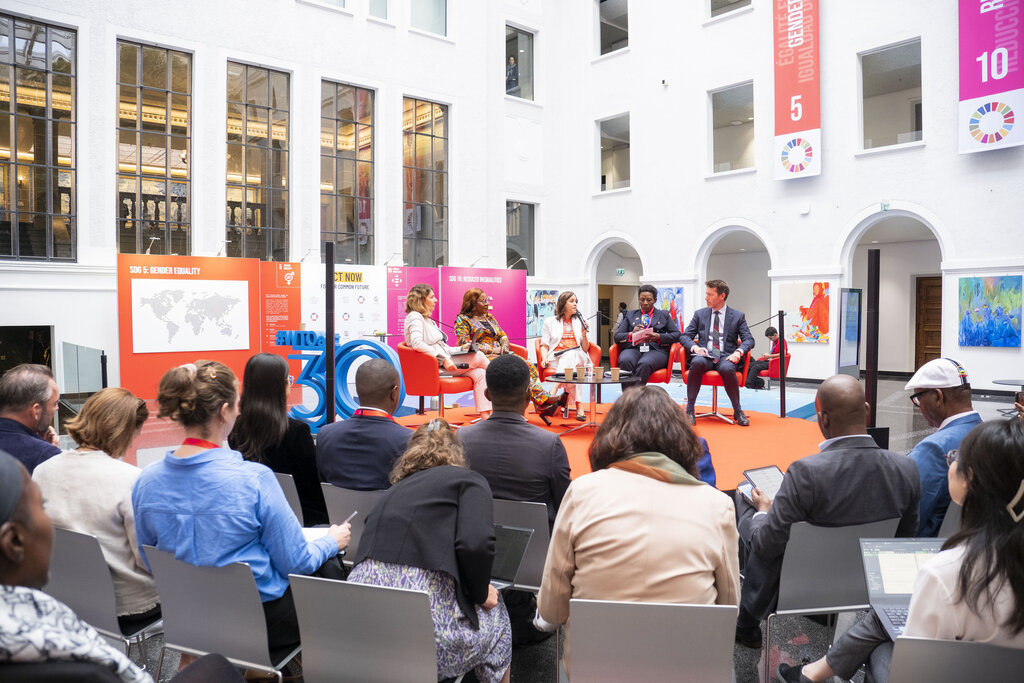
The Main Types
Not all expos are the same. They are organized and sanctioned by the Bureau International des Expositions (BIE) and fall into a few distinct categories, each with its own purpose and schedule.
| Type | Frequency & Duration | Theme & Scope |
|---|---|---|
| World Expos | Every 5 years, up to 6 months | Broad, universal themes of global importance. The largest and most impactful type. |
| Specialized Expos | Between World Expos, up to 3 months | Narrow, specific themes, like "The Future of Water" or "Energy for All." |
| Horticultural Expos | Every 2-10 years, up to 6 months | Focused on gardens, nature, and green living to promote environmental quality. |
| Triennale Milano | Every 3 years | A unique, recurring exhibition in Milan focused on architecture, design, and decorative arts. |
Each type offers a different lens through which to view human achievement and potential. Whether it's a massive World Expo tackling a universal theme or a focused Horticultural Expo celebrating nature, these events provide a unique stage for the world to come together and imagine a better future.
What is the primary goal of a world's fair or exposition?
The international body that sanctions and organizes different types of expos is the ______.