Understanding Existentialism
Introduction to Existentialism
What is Existentialism?
Most philosophies try to figure out the grand nature of things, searching for a universal truth or a cosmic rulebook. Existentialism takes a different path. It starts with you, the individual. It argues that we are born into a world that has no built-in meaning or purpose. We just are.
Existentialism: a philosophical movement that emphasizes the existence of the individual and the importance of individual freedom and choice.
This idea can sound a bit bleak, but existentialists see it as liberating. If there's no pre-written script for your life, then you are free to write your own. You are responsible for creating your own meaning and defining who you are through the choices you make.
This way of thinking didn't appear in a vacuum. It gained traction in the 19th and 20th centuries, a time of massive social upheaval, world wars, and the decline of traditional religious authority. People were questioning everything, and existentialism provided a framework for finding purpose in a world where old certainties were crumbling.
Key Thinkers
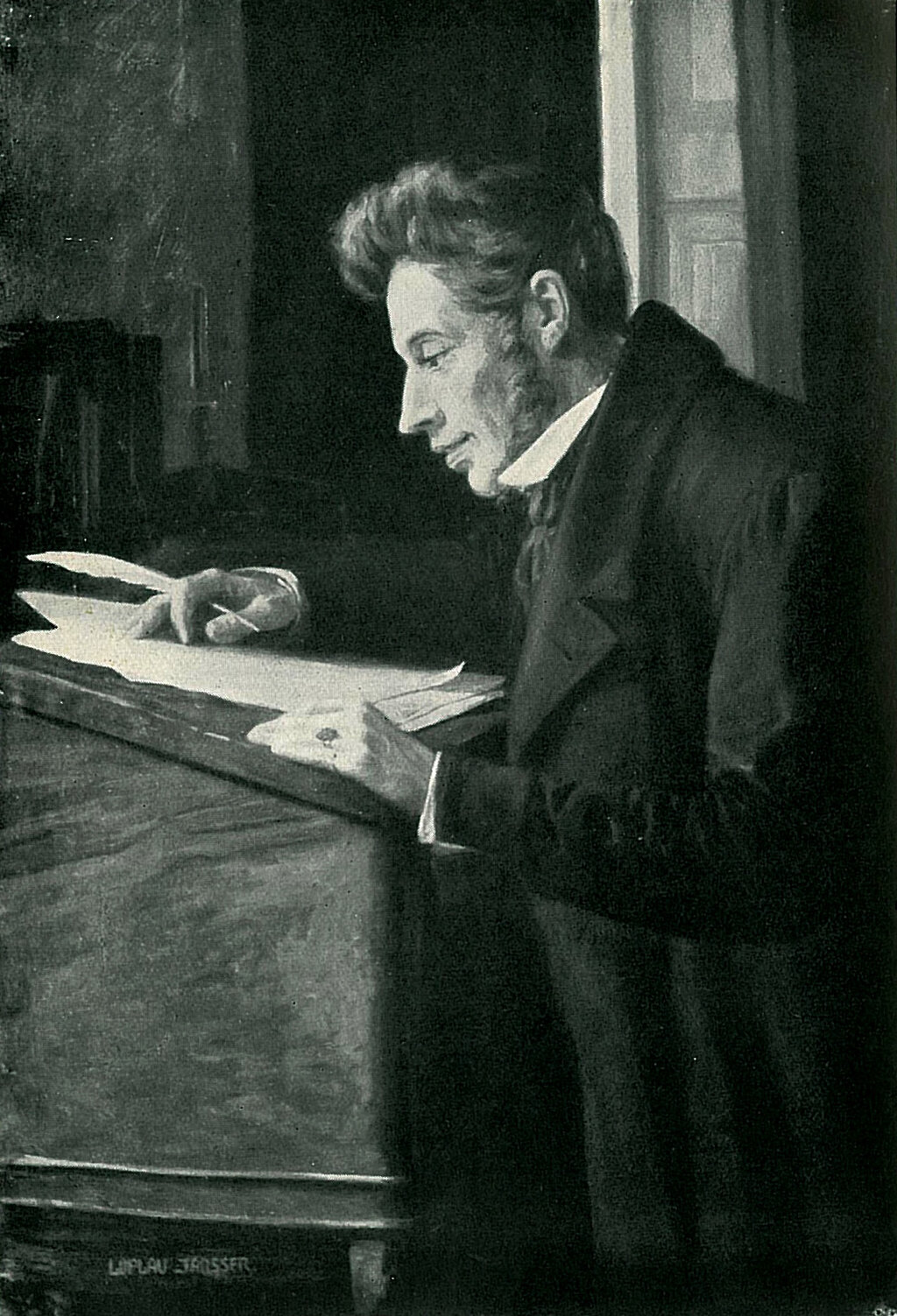
Though they didn't all use the label "existentialist," a few key thinkers laid the groundwork. The Danish philosopher Søren Kierkegaard is often called the father of existentialism. He was deeply concerned with the individual's subjective experience and passionate commitment in the face of an uncertain world.
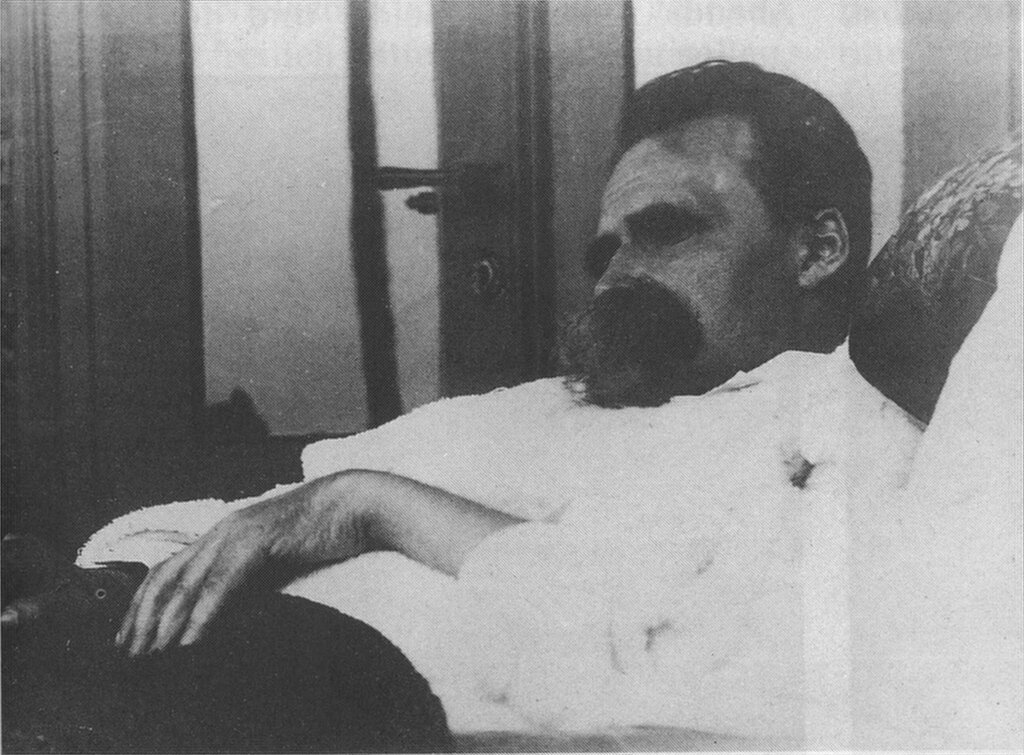
Later, the German philosopher Friedrich Nietzsche took things a step further. He famously declared that "God is dead," meaning that the traditional moral and religious foundations of society had lost their power. For Nietzsche, this was not a cause for despair but a challenge. It meant humanity was now free to create its own values and strive to become something greater, a concept he called the Übermensch (often translated as "Overman" or "Superman").
The term "existentialism" was truly popularized in the mid-20th century by French thinkers, most notably Jean-Paul Sartre and Martin Heidegger in Germany. Sartre, in particular, captured the public imagination in post-World War II Paris. He developed one of the movement's most famous ideas.
Existence Precedes Essence
The core tenet of this philosophy is the idea that “existence precedes essence,” a concept most famously championed by Jean-Paul Sartre.
This phrase sounds academic, but the idea is simple. Think of a paper knife. Before it exists, someone has an idea of it, a concept or "essence." They know what it's for (to cut paper) and what it will be made of. Its essence comes before its existence.
Existentialists argue that for humans, the opposite is true. We are born without a pre-defined purpose. We exist first, thrown into the world without a manual. It is only through our choices and actions that we create our own nature, our own "essence."
According to Sartre, you are what you do. There is no core "you" that exists independently of your actions. A person who acts cowardly is a coward. A person who acts heroically is a hero. This places an immense weight of responsibility on each of us. We are, as Sartre put it, "condemned to be free."
This isn't just about big, life-altering decisions. It's about the everyday choices that shape our character and our reality. Existentialism invites us to live authentically, to make choices that are true to ourselves, rather than conforming to external pressures or expectations.
What is the central premise of existentialism?
The existentialist phrase 'existence precedes essence' means that...
This philosophy, born from a sense of crisis, ultimately offers a powerful message about human potential. It's a call to take control of your own life and create meaning in a world that offers none.