Understanding European LeukemiaNet Guidelines for CML
Introduction to CML
An Uncontrolled Growth Spurt
Chronic Myeloid Leukemia, or CML, is a type of cancer that starts inside our bones, in the soft, spongy tissue called bone marrow. This is where the body produces its blood cells: red cells that carry oxygen, platelets that help with clotting, and white cells that fight infection. In CML, the bone marrow goes into overdrive and produces far too many white blood cells, specifically a type called granulocytes.
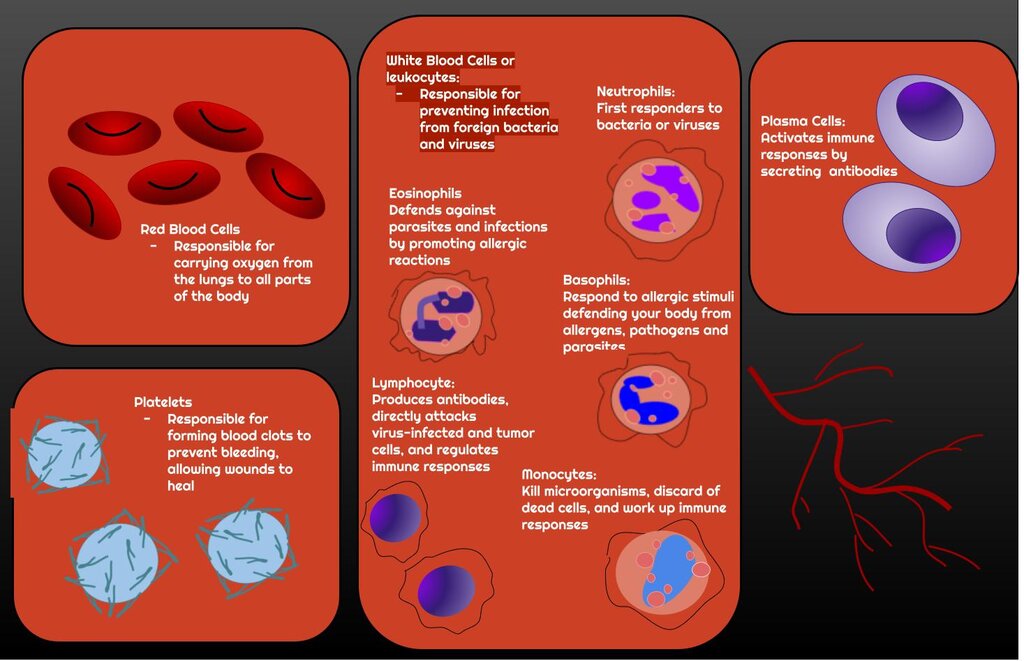
The “chronic” in its name means the disease usually progresses slowly, especially compared to acute leukemias. People can live with it for years, often without knowing they have it. CML is typically categorized into three phases based on how advanced it is:
- Chronic Phase: The earliest stage. Most people are diagnosed here. There are fewer than 10% immature white blood cells, called blasts, in the blood and bone marrow.
- Accelerated Phase: The disease becomes more aggressive. The number of blasts is higher (10-19%), and symptoms may worsen.
- Blast Phase (or Blast Crisis): This is the most advanced stage, behaving like an acute leukemia. Blast cells make up 20% or more of the blood or bone marrow, and serious symptoms and complications can arise.
A Random Genetic Mistake
At its core, CML is caused by a specific genetic accident. It happens when two chromosomes, chromosome 9 and chromosome 22, swap pieces of their DNA. This event is called a translocation. The newly altered chromosome 22, which is now shorter than normal, is known as the Philadelphia chromosome, named after the city where it was discovered.
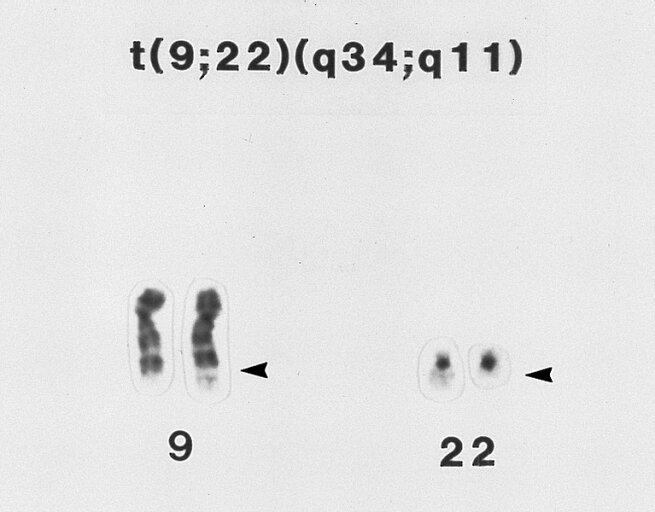
This genetic swap creates a brand new, abnormal gene called BCR-ABL1. This isn't a gene you're born with; it's an acquired mutation that happens randomly in a single bone marrow stem cell.
The BCR-ABL1 gene acts like a stuck accelerator pedal, telling the bone marrow cell to grow and divide uncontrollably.
This single rogue cell then clones itself over and over, eventually crowding out the healthy blood-forming cells in the bone marrow. The result is a flood of abnormal, immature white blood cells pouring into the bloodstream. This isn't an inherited condition; you can't pass the Philadelphia chromosome to your children.
Who Gets CML and How It Feels
CML is relatively uncommon, affecting about 1 to 2 people per 100,000 adults each year. It can occur at any age but is most often diagnosed in older adults, with the average age being around 64. It is slightly more common in men than in women.
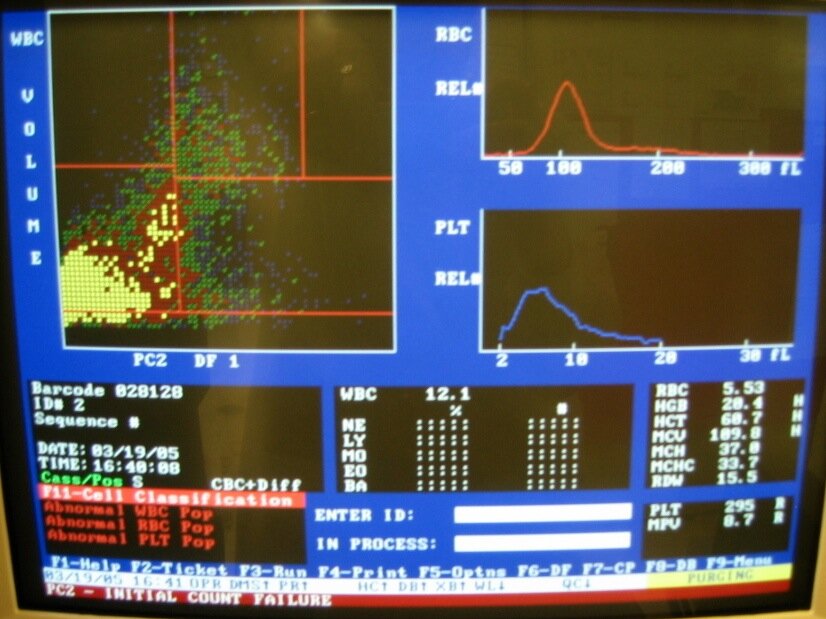
In the early stages, more than half of people with CML have no symptoms at all. The disease is often discovered by chance during a routine blood test that shows a very high white blood cell count.
When symptoms do appear, they are often vague and can be caused by many other conditions. They develop as the leukemia cells take up more space in the bone marrow and spill into other organs. Common signs include:
- Fatigue and weakness
- Unexplained weight loss
- Night sweats
- Fever
One of the more specific signs is an enlarged spleen, a condition called splenomegaly. The spleen is an organ on the left side of your abdomen that filters blood. When it's filled with an excess of leukemia cells, it swells. This can cause a feeling of fullness or discomfort, making it hard to eat a full meal.
Now let's review what we've learned about this condition.
Chronic Myeloid Leukemia (CML) is characterized by the overproduction of which type of blood cell?
What is the name of the specific genetic abnormality that causes most cases of CML?