Understanding Enshitification
Introduction to Enshittification
The Life Cycle of a Platform
Have you ever loved a new app or website, only to watch it get worse over time? Maybe the ads became unbearable, the search results got less relevant, or the features you liked were hidden behind a paywall. This slow decline isn't just bad luck. It's often a deliberate process with a name: enshittification.
Writer and activist Cory Doctorow coined the term in 2022. He noticed a recurring pattern in online platforms. They start by being incredibly good to their users to attract a large audience. Then, once the users are locked in, the platform changes its focus to pleasing business customers, like advertisers or sellers. Finally, when both groups are dependent on the service, the platform shifts its focus one last time: to squeezing every last cent from everyone to maximize profits for its shareholders. At this point, the service is a shadow of its former self.
enshittification
noun
The process by which an online platform or service degrades in quality over time as it shifts its focus from serving users to serving business customers, and ultimately to maximizing its own profits.
A Three-Act Tragedy
The process of enshittification typically unfolds in three stages.
Stage 1: Be good to users. A new platform will do anything to get you to sign up. It might offer a great service for free or at a very low cost, losing money on every user. The goal is to build a massive, loyal audience and create network effects, where the service becomes more valuable as more people use it.
Stage 2: Abuse the users to benefit businesses. Once a critical mass of users is achieved and they're unlikely to leave, the platform starts to shift. It begins selling access to its user base. This could mean introducing more ads, promoting sponsored content over organic results, or selling user data. The user experience gets worse, but the business customers are happy.
Stage 3: Abuse the businesses to benefit the platform. In the final stage, the platform has a captive audience of both users and businesses. It starts extracting as much value as it can from its business customers. It might raise ad prices, take a larger cut of sales, or force them to use the platform's own services. The quality of the service deteriorates for everyone, but profits for the platform's owners soar.
A Familiar Pattern
This pattern is driven by the goal of maximizing short-term profit. While it may create huge financial returns for shareholders, it leaves users and business partners with a service that is a frustrating, degraded version of what they originally signed up for. The friendly terms and great service that once defined the platform are replaced by policies designed to extract value.
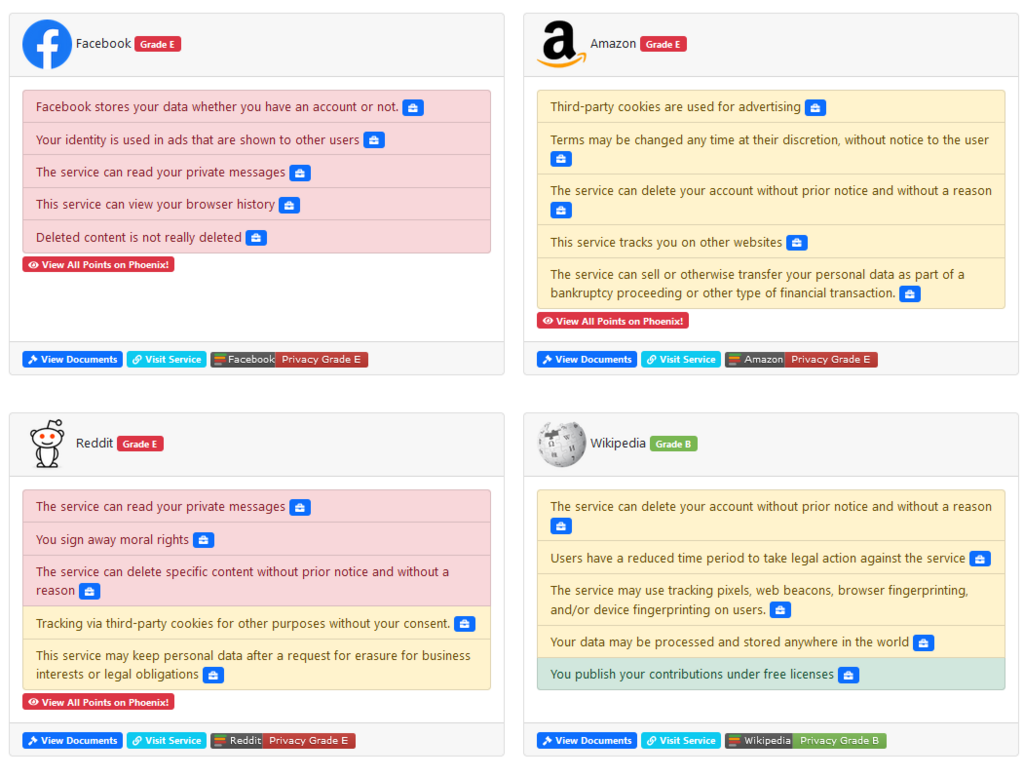
Understanding this cycle helps explain why so many digital spaces that start with immense promise eventually feel like they've turned against their own users. It's a predictable trajectory for platforms caught in the gravity of modern digital capitalism.
Now, let's test your understanding of this concept.
What is the best definition of 'enshittification'?
During which stage of enshittification does a platform begin to prioritize advertisers and other business customers, often at the expense of the user experience?