Understanding Emotional Intelligence
Introduction to Emotional Intelligence
What Is Emotional Intelligence?
Emotional Intelligence, often shortened to EI or EQ (for Emotional Quotient), is the ability to understand and manage your own emotions, as well as recognize and influence the emotions of others. It's about being smart with feelings. This means you can perceive what you and others are feeling, use those feelings to guide your thoughts and actions, and manage them effectively.
Think of it as having a sharp awareness of the emotional landscape around you and within you, and knowing how to navigate it successfully.
Emotional Intelligence
noun
The capacity to be aware of, control, and express one's emotions, and to handle interpersonal relationships judiciously and empathetically.
A Brief History
While the idea of social skills being a form of intelligence has been around for decades, the term "emotional intelligence" was formally introduced in 1990 by psychologists Peter Salovey and John D. Mayer. They described it as a specific type of social intelligence involving the ability to monitor one's own and others' feelings and emotions, to discriminate among them, and to use this information to guide one's thinking and actions.
The concept, however, didn't enter the mainstream until 1995 when science journalist Daniel Goleman published his book, Emotional Intelligence: Why It Can Matter More Than IQ. Goleman argued that EI was a powerful predictor of success in life, sometimes even more so than traditional measures of intelligence like IQ.
Why EI Matters
High emotional intelligence helps in nearly every facet of life. In personal relationships, it allows for deeper connections and more effective communication. Understanding a friend's feelings, or being able to clearly express your own, can prevent misunderstandings and strengthen bonds.
In professional settings, EI is a key ingredient for leadership and teamwork. A manager with high EI can motivate their team and create a positive work environment. An employee with high EI can navigate office politics, collaborate effectively, and handle stress without becoming overwhelmed.
It also plays a crucial role in decision-making. By understanding how emotions influence our judgment, we can make clearer, more rational choices.
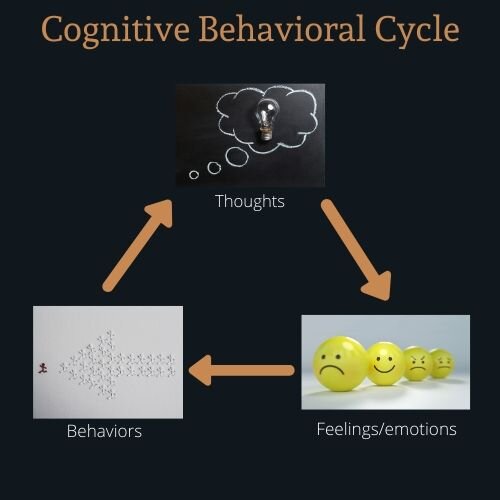
To make this more concrete, consider how people with different levels of EI might respond in common situations.
| Situation | Low EI Response | High EI Response |
|---|---|---|
| Receiving constructive feedback | Becomes defensive, dismisses the feedback, or blames others. | Listens openly, asks clarifying questions, and sees it as an opportunity for growth. |
| Disagreement with a friend | Gets angry, makes personal attacks, or shuts down completely. | Stays calm, tries to understand the friend's perspective, and seeks a compromise. |
| Facing an unexpected setback | Feels overwhelmed and gives up, or panics and makes rash decisions. | Pauses to manage feelings of frustration, analyzes the problem, and creates a new plan. |
Understanding what emotional intelligence is provides a foundation for recognizing its impact on our daily interactions and long-term goals.