Understanding Emissions Scopes and Factor Databases
Greenhouse Gas Basics
Earth’s Insulating Blanket
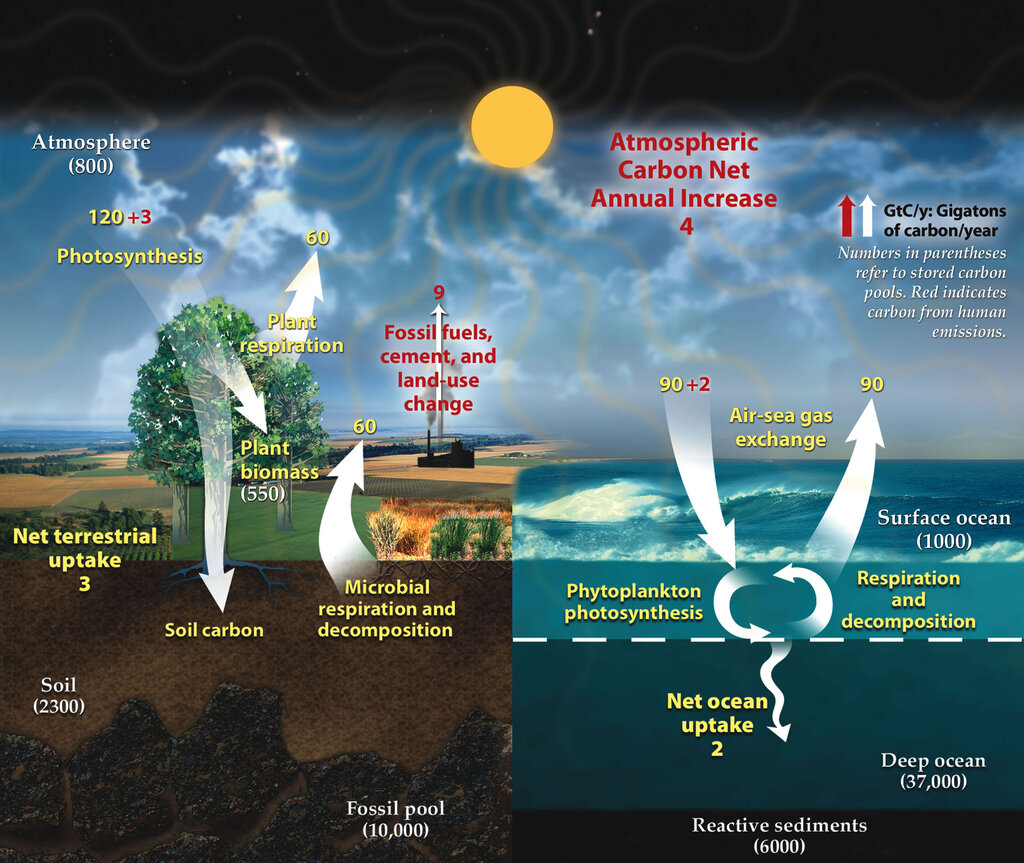
Think of the Earth's atmosphere as a giant, invisible blanket. This blanket is made up of various gases, some of which are called greenhouse gases (GHGs). Just like a blanket traps your body heat on a cold night, these gases trap some of the sun's heat, keeping our planet warm enough for life to thrive. This natural process is called the greenhouse effect, and it's essential for our survival.
The problem begins when we make this blanket too thick. Human activities, especially since the Industrial Revolution, have released huge amounts of extra greenhouse gases into the atmosphere. This traps more heat, leading to a gradual warming of the planet, a phenomenon known as climate change.
The Main Culprits
While there are several different greenhouse gases, a few are responsible for the bulk of the warming. They come from a variety of sources, both natural and man-made, but it's the surge in human-caused emissions that's causing concern.
| Gas | Formula | Major Human Source |
|---|---|---|
| Carbon Dioxide | CO₂ | Burning fossil fuels (coal, oil, gas) |
| Methane | CH₄ | Agriculture (livestock, rice paddies) |
| Nitrous Oxide | N₂O | Fertilizers and industrial processes |
Carbon dioxide is the most famous of the bunch. It's released whenever we burn fossil fuels for electricity, heating, and transportation. Deforestation also plays a part, as forests are vital for absorbing CO₂ from the atmosphere.
Methane is a potent, though shorter-lived, greenhouse gas. It's produced by livestock, leaks from natural gas systems, and comes from landfills as organic waste decomposes.
Nitrous oxide, while less abundant, is very effective at trapping heat. Its main sources are agricultural soil management, especially the use of synthetic fertilizers, and various industrial processes.
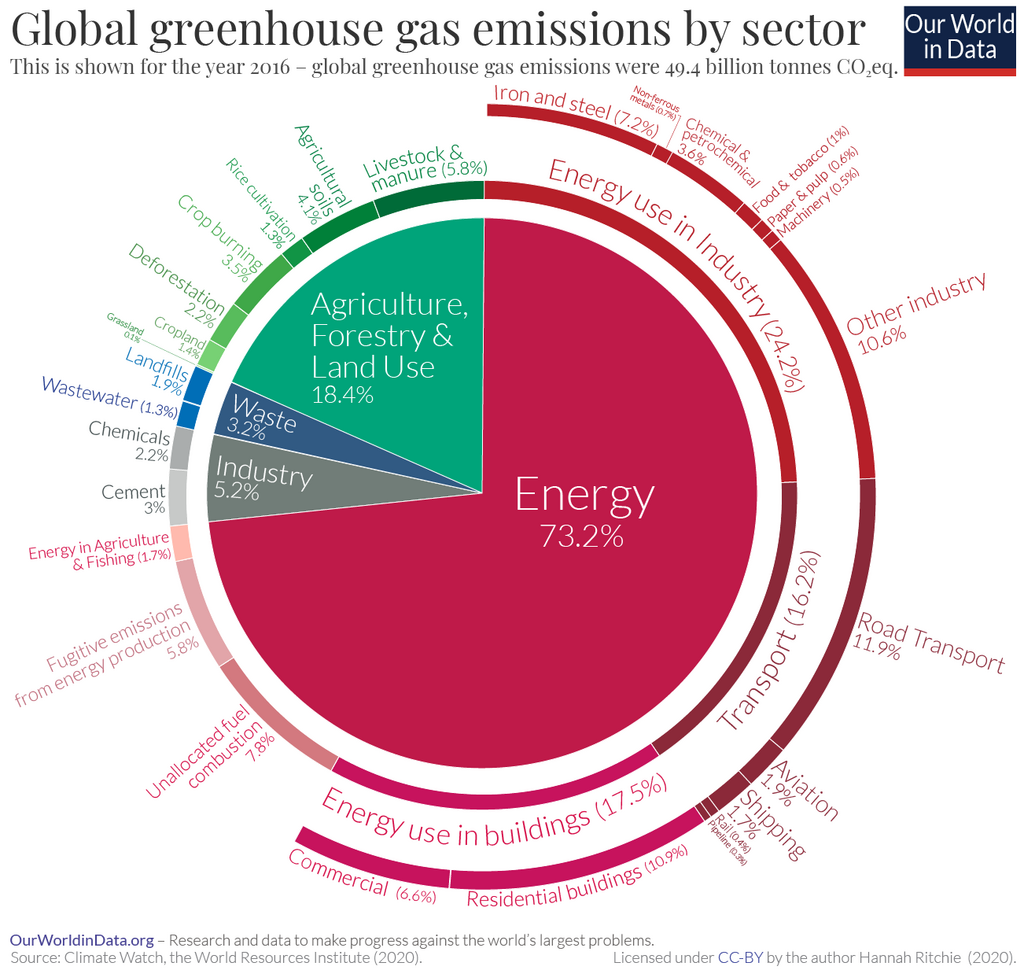
The buildup of these gases disrupts the Earth's natural energy balance, leading to rising global temperatures, more extreme weather events, and shifts in ecosystems.
Why Measurement Matters
You can't manage what you don't measure. Tracking greenhouse gas emissions is the first step toward reducing them. When a country or a company calculates its emissions, it creates a GHG inventory. This inventory acts as a detailed report card, showing where the emissions are coming from and how large they are.
inventory
noun
A complete list of items such as property, goods in stock, or the contents of a building. In this context, a list of emission sources and their quantities.
Understanding these sources is critical. It allows businesses and governments to pinpoint the biggest problem areas and develop effective strategies to cut their environmental impact. Without this data, efforts to combat climate change would be based on guesswork. Measurement provides the clarity needed to take meaningful action and track progress toward a more sustainable future.
What is the primary function of the Earth's natural greenhouse effect?
Human activities, such as burning fossil fuels, have thickened the 'blanket' of greenhouse gases, trapping more heat.