Understanding Elevated TSH Levels
Thyroid Gland Anatomy
The Thyroid's Place in the Body
The thyroid is a small, butterfly-shaped gland located in the front of your neck, just below the Adam's apple. It wraps around the windpipe, or trachea, with its two wings, called lobes, extending on either side. A small bridge of tissue known as the isthmus connects these two lobes in the middle.
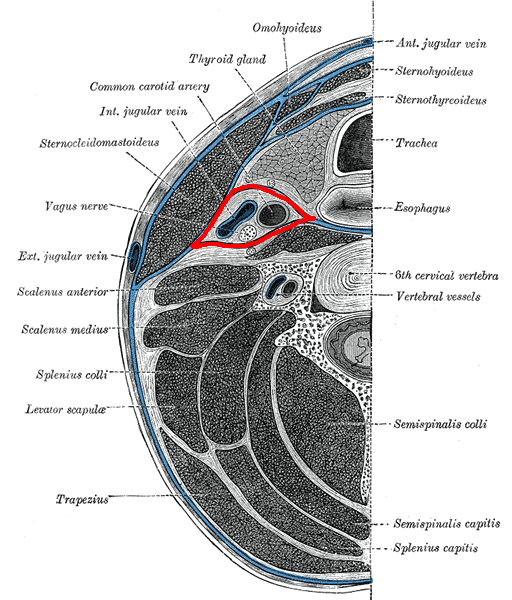
Despite its small size, typically weighing less than an ounce, the thyroid is a powerhouse. It's part of the endocrine system, a collection of glands that produce hormones to regulate various bodily functions. The thyroid is highly vascular, meaning it has a rich blood supply, which is crucial for releasing its hormones into the bloodstream so they can travel throughout the body.
A Look Inside the Gland
If you were to look at thyroid tissue under a microscope, you'd see that it’s organized into millions of tiny, spherical structures called follicles. Think of them as microscopic water balloons, each forming a small compartment. The walls of these follicles are made of a single layer of specialized cells.
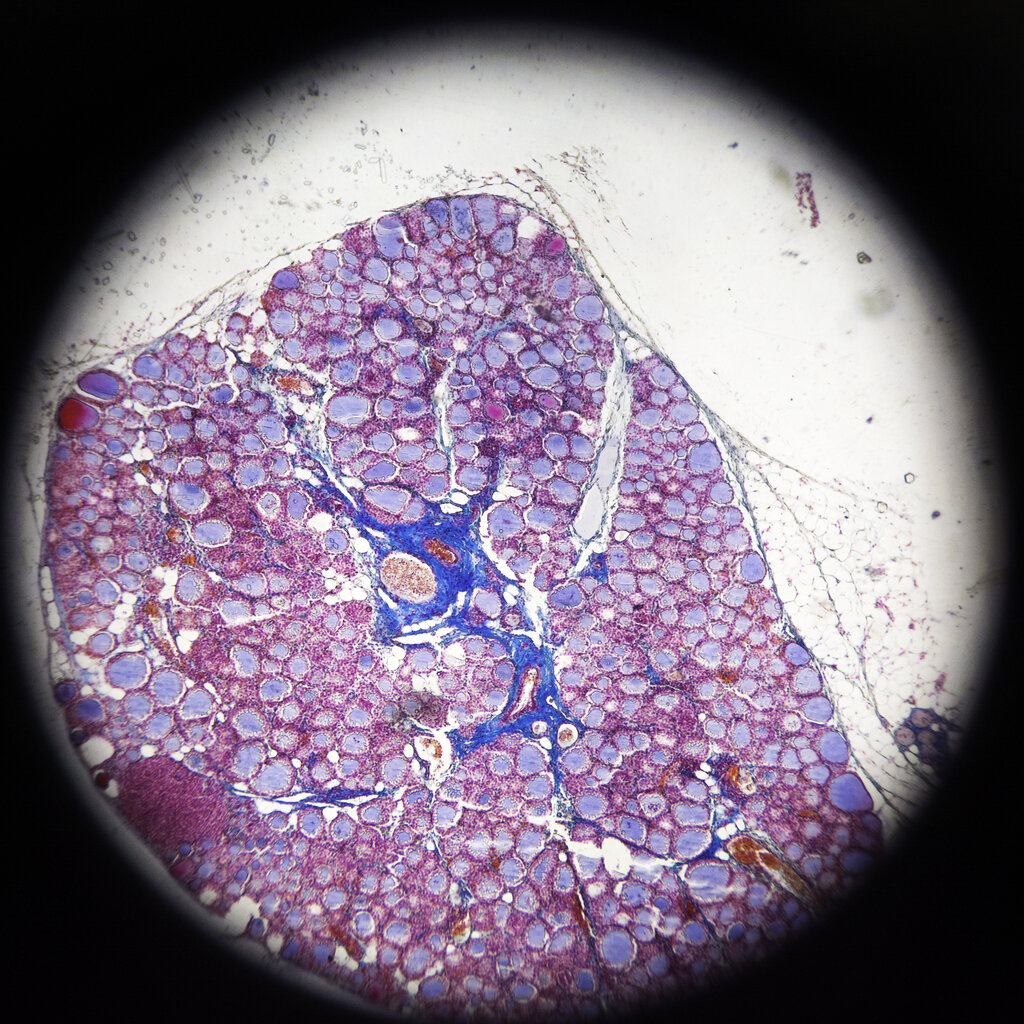
The hollow center of each follicle is filled with a sticky, gel-like substance called colloid. This colloid is rich in a protein called thyroglobulin and acts as a reservoir for the raw materials needed to make thyroid hormones. The gland can store a significant supply of these materials, enough to last for several weeks.
The Gland's Cellular Workforce
The thyroid's functions are carried out by two main types of cells, each with a distinct job.
First are the follicular cells. These are the primary cells of the thyroid, forming the walls of the follicles we just discussed. Their main responsibility is to produce the two principal thyroid hormones: thyroxine () and triiodothyronine (). These hormones are the key players in regulating your body's metabolism.
The second type are the parafollicular cells, also known as C-cells. They are found scattered in the spaces between the follicles, rather than being part of the follicle wall itself. C-cells have a completely different function: they produce a hormone called calcitonin. Calcitonin helps regulate the levels of calcium and phosphate in the blood.
Together, these components—the lobes, follicles, colloid, and specialized cells—make up the intricate anatomy of the thyroid gland, perfectly designed for its role as a master regulator of the body.