Understanding Electronics Pricing DeWalt vs. Generic
Consumer Electronics Pricing
The Price Tag's Story
The price of a new smartphone or laptop can seem arbitrary. Why does one model cost $300 and another $1,300? The answer isn't just about brand names or marketing. A product's final price is a carefully calculated sum of several key factors, from the raw materials inside it to the cost of shipping it across the world.
Building the Device
The journey begins with production costs. This is the most direct expense and includes a few major components.
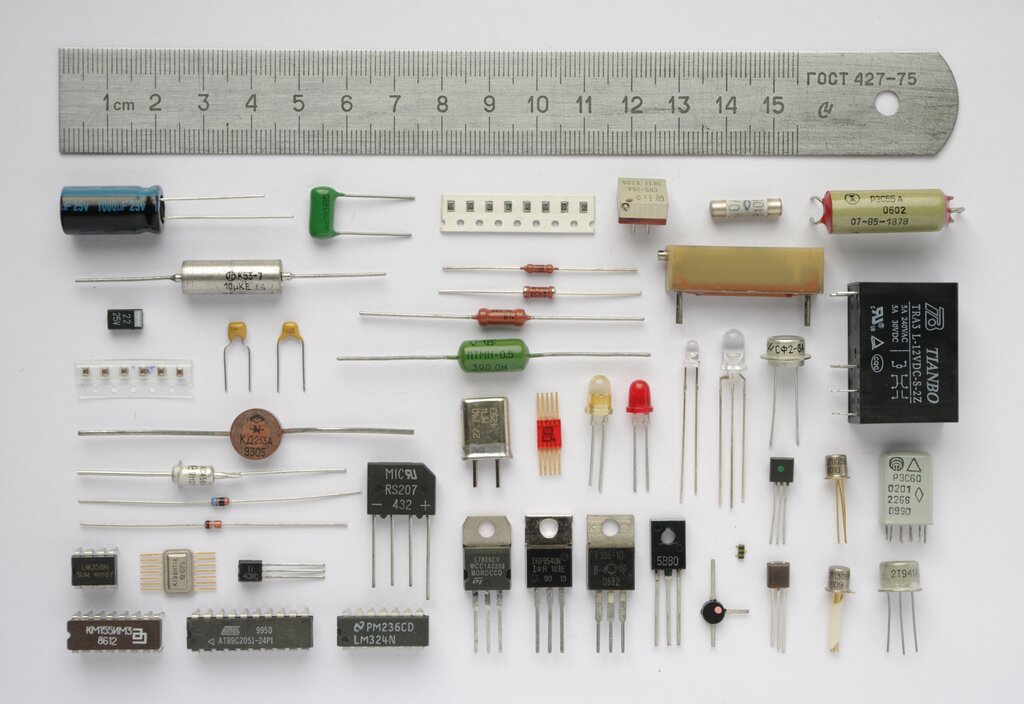
First, there are the raw materials and individual parts. Modern electronics are packed with tiny, complex components, from processors and memory chips to screens and batteries. Many of these rely on materials like silicon, copper, and rare earth metals that must be mined and processed.
Then there's Research and Development (R&D). Before a single device is built, companies spend millions, sometimes billions, designing, prototyping, and testing new technologies. This upfront investment in innovation is factored into the price of the final product.
Finally, there's the cost of assembly. While robots handle many tasks, skilled human labor is still essential for putting everything together. The cost of running a factory, paying workers, and ensuring quality control all contribute to the price.
From Factory to Shelf
Once a device is assembled, it needs to get to you. This is where the supply chain comes in. Logistics are a huge, often invisible, part of a product's cost. A phone might be designed in California, have parts made in South Korea and Taiwan, get assembled in China, and finally be sold in Europe.
This global journey involves packing, shipping by air and sea, warehousing, and ground transportation to retail stores or your doorstep. Each step has a cost, including fuel, labor, and import taxes or tariffs.
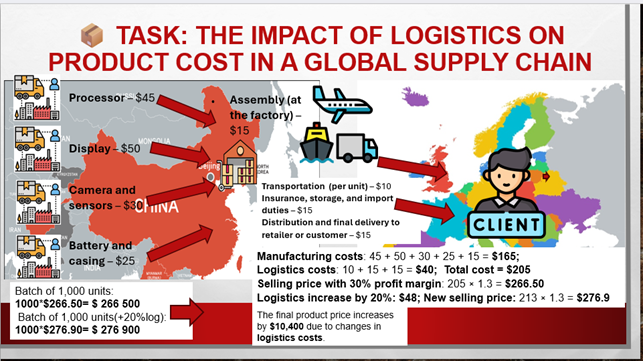
This complex network is also fragile. A shipping disruption, a natural disaster, or a trade dispute can create bottlenecks, increasing costs that are often passed on to the consumer.
Every mile a product travels and every border it crosses adds another layer to its final cost.
The Power of Demand
Beyond the physical costs of making and moving a product, its price is heavily influenced by market demand. This is the simple economic principle of supply and demand. When a new, highly anticipated gadget is released, demand often outstrips the initial supply. This scarcity allows companies to set a higher price.
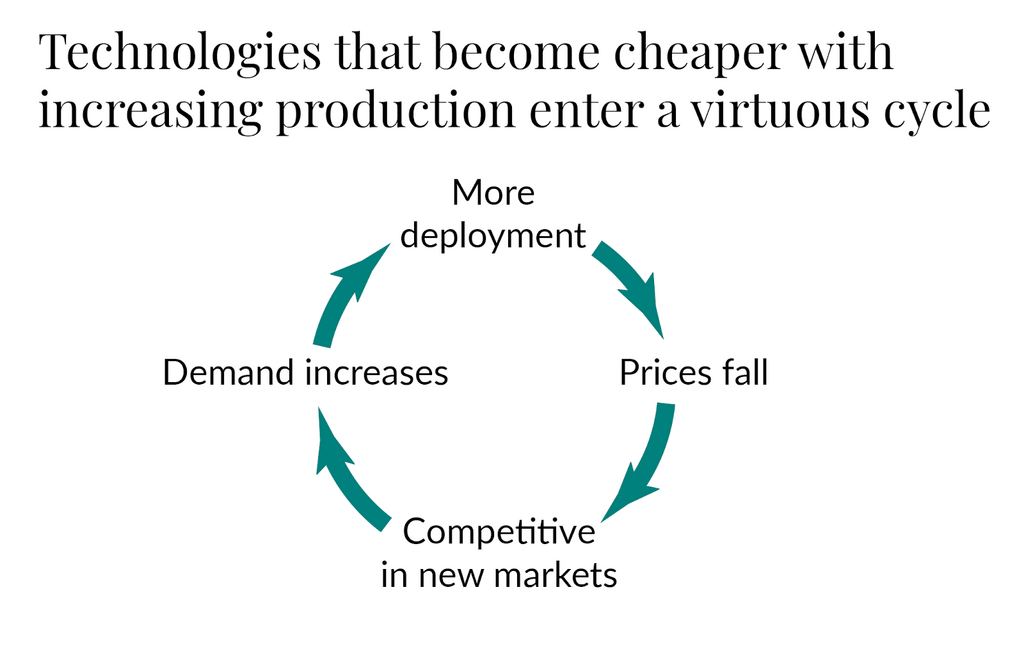
As the product ages and the initial excitement fades, demand naturally cools. At the same time, the company has likely become more efficient at producing it. With more supply and less hype, the price comes down. Competition also plays a huge role. If several companies offer similar products, they must price them competitively to attract buyers.
Technological advancements have a fascinating dual effect on pricing. In the short term, a new breakthrough—like a foldable screen or a more powerful AI chip—is expensive to develop and produce, leading to premium prices for the first devices that feature it.
However, over time, that same technology becomes cheaper and easier to manufacture. What was once a high-end feature eventually becomes standard in mid-range or even budget devices. This cycle of innovation, known as Moore's Law in the context of processors, constantly drives the industry forward, making powerful technology more accessible to everyone.
By understanding these core elements—production, logistics, demand, and technology—you can see that a price tag tells a complex story about a device's journey from an idea to your hands.