Understanding Eco-Sensitive Zones and Vallanadu Sanctuary
Introduction to Eco-Sensitive Zones
The Need for a Buffer
National parks and wildlife sanctuaries are crucial for protecting nature. But what happens right at their borders? Often, a sharp line separates a pristine forest from a bustling town or farmland. This sudden change can be a shock to the ecosystem. Animals don't recognize human-drawn boundaries, and pollution doesn't stop at the gate.
To manage this transition, India established Eco-Sensitive Zones, or ESZs. Think of them as protective buffers or shock absorbers around important natural areas. Their goal isn't to stop all human activity but to regulate it, creating a gradual shift from a highly protected zone to an area of regular use. This helps minimize the negative impacts of development on fragile ecosystems.
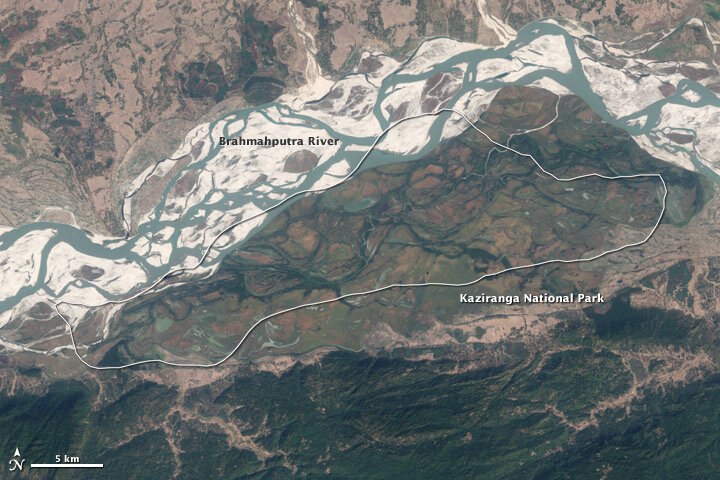
The primary purpose of an ESZ is to conserve the biodiversity within the protected area it surrounds. By managing the land and activities just outside the park, these zones help safeguard the habitats, feeding grounds, and migration corridors of wildlife. They ensure that the protected area doesn't become an isolated island in a sea of incompatible development.
Legal Framework
The power to declare an area an Eco-Sensitive Zone comes from a key piece of environmental legislation: the Environment (Protection) Act of 1986. This comprehensive law gives the central government the authority to take all measures it deems necessary to protect and improve the quality of the environment.
Under this act, the Ministry of Environment, Forest and Climate Change can identify and notify areas around protected parks and sanctuaries as ESZs. This provides a legal framework for regulating activities that could be harmful to the nearby ecosystem, making conservation a planned and enforceable effort.
The core idea is simple: prevent ecological damage caused by development near protected areas and promote the conservation of the local environment.
Designating a Zone
Declaring an ESZ isn't an arbitrary process. Several factors are carefully considered to determine if an area qualifies and what its boundaries should be. The process is guided by the need to balance environmental protection with the needs of local communities.
Key criteria include:
- Biological Diversity: The richness of flora and fauna in the area is a major consideration. The presence of rare or endangered species, unique habitats, or important breeding sites makes a stronger case for an ESZ.
- Proximity to Protected Areas: The most fundamental criterion is the area's location adjacent to a national park or wildlife sanctuary. The zone's width can vary, often extending up to 10 kilometers, but it can be wider or narrower depending on the specific ecological needs.
- Environmental Compatibility: Officials assess the existing and potential land-use patterns in the vicinity. The goal is to ensure that activities in the ESZ are compatible with the conservation objectives of the protected area.
The role of an ESZ, therefore, is proactive rather than reactive. It's about planning for sustainable development in a way that respects ecological boundaries. By regulating activities like mining, setting up new industries, or large-scale construction, ESZs help ensure that economic growth doesn't come at the cost of irreversible environmental damage. This approach fosters a landscape where both people and wildlife can thrive.
What is the primary function of an Eco-Sensitive Zone (ESZ) in India?
Which piece of legislation grants the central government of India the authority to declare Eco-Sensitive Zones?