Understanding Dysphasia
Understanding Dysphasia
What Is Dysphasia?
Dysphasia is a language disorder that makes it hard to use and understand language. It stems from damage to the parts of the brain that handle communication. Someone with dysphasia might struggle to find the right words, form complete sentences, or make sense of what others are saying. It's important to know that this isn't a problem with intelligence. The thoughts and ideas are still there, but the ability to translate them into language is impaired.
Dysphasia
noun
A language disorder marked by deficiency in the generation of speech, and sometimes also in its comprehension, due to brain disease or damage.
Think of it like a radio that can't quite tune into the right station. You know there's a signal, but all you get is static. For someone with dysphasia, the connection between their thoughts and their words can feel just as staticky. This can affect speaking, listening, reading, and writing.
Clearing Up Confusion
Several medical terms sound similar to dysphasia but describe very different conditions. Understanding the distinctions is key.
Dysphasia is a language problem. Dysarthria is a speech problem. Dysphagia is a swallowing problem.
Dysphasia, as we've covered, affects the brain's ability to process language itself. Dysarthria, on the other hand, is a motor speech disorder. The person knows what they want to say, but they have trouble controlling the muscles used for speech, like the lips, tongue, and vocal cords. This can result in slurred or slow speech. Finally, dysphagia has nothing to do with communication; it's a medical term for difficulty swallowing.
| Term | Area Affected | Main Difficulty |
|---|---|---|
| Dysphasia | Brain (Language Centers) | Using or understanding words |
| Dysarthria | Muscles (For Speech) | Articulating words clearly |
| Dysphagia | Throat/Esophagus | Swallowing food or liquid |
The Brain's Language Network
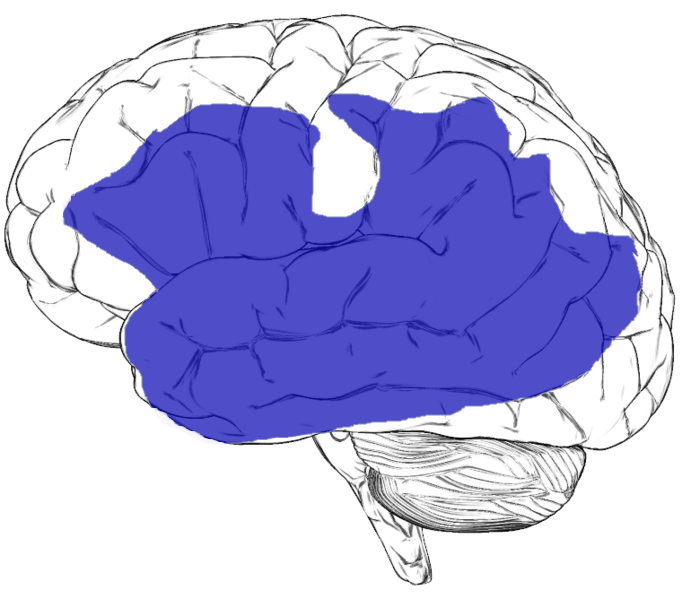
Our ability to communicate isn't housed in one single spot in the brain. It relies on a complex network of interconnected regions, primarily located in the left hemisphere for about 90% of right-handed people and 70% of left-handed people. When damage from a stroke, head injury, or brain tumor occurs in this network, dysphasia can result.
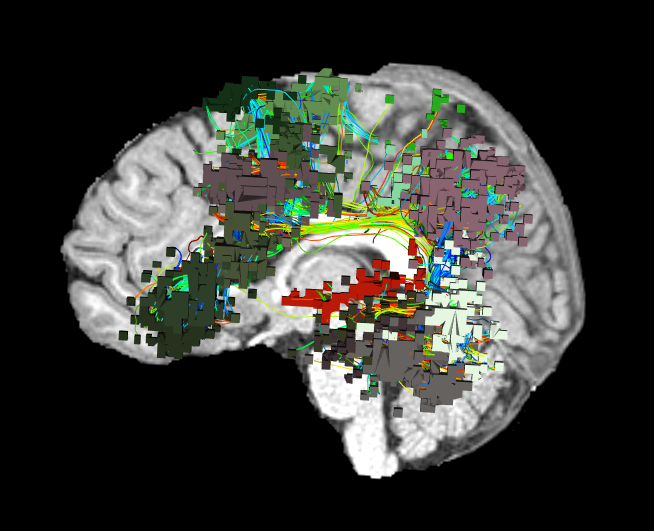
Two key areas are especially famous for their roles in language. One region, typically in the frontal lobe, is crucial for producing speech, helping us form sentences and articulate words. Another area, located in the temporal lobe, is vital for comprehending language, allowing us to understand the words we hear and read. These regions and the pathways connecting them work together seamlessly. Damage to any part of this system can disrupt our ability to communicate.
Let's check what you've learned about the basics of dysphasia.
Which of the following best describes dysphasia?
A person knows exactly what they want to say but their speech is slow and slurred because they have trouble controlling their tongue and lips. This is a classic sign of which condition?
Dysphasia is a disruption in the brain's ability to process and use language. By understanding its neurological roots and distinguishing it from other conditions, we can better appreciate the challenges it presents.