Understanding Dyslexia
Introduction to Dyslexia
Understanding Dyslexia
Dyslexia is a specific learning disability that affects a person's ability to read, write, and spell. It's one of the most common learning differences, yet it's often misunderstood.
Dyslexia
noun
A learning disorder that involves difficulty reading due to problems identifying speech sounds and learning how they relate to letters and words (decoding). Also called a reading disability, dyslexia affects areas of the brain that process language.
The core difficulty lies in phonological processing, which is the ability to recognize and work with the sounds in spoken language. This makes it challenging to connect letters to the sounds they make, which is the foundation of reading.
It's crucial to understand that dyslexia has nothing to do with a person's intelligence. Many people with dyslexia have average or above-average intelligence.
Dyslexia is not a sign of low intelligence, laziness, or poor vision. It's a neurological difference in how the brain processes language.
How Common Is It?
Dyslexia is quite common, though estimates vary. It affects people from all backgrounds, regardless of language or culture.
New estimates report that as many as 1 in 10 children have reading disabilities, such as dyslexia, that impact academics in the areas of word decoding, reading comprehension, reading fluency, word retrieval, reading speed and tracking.
Because it exists on a spectrum, some individuals may have mild challenges while others experience more significant difficulties. This wide range can sometimes make it hard to identify without a formal assessment.
A Look Inside the Brain
Dyslexia isn't a disease; it's a difference in brain wiring. Brain imaging studies show that people with dyslexia use different parts of their brain when reading compared to those without it.
Typically, reading activates specific pathways in the left hemisphere of the brain, which is specialized for language. In individuals with dyslexia, these pathways are less active. Their brains compensate by using other, often less efficient, routes to process written text. This explains why reading can feel slow and effortful.
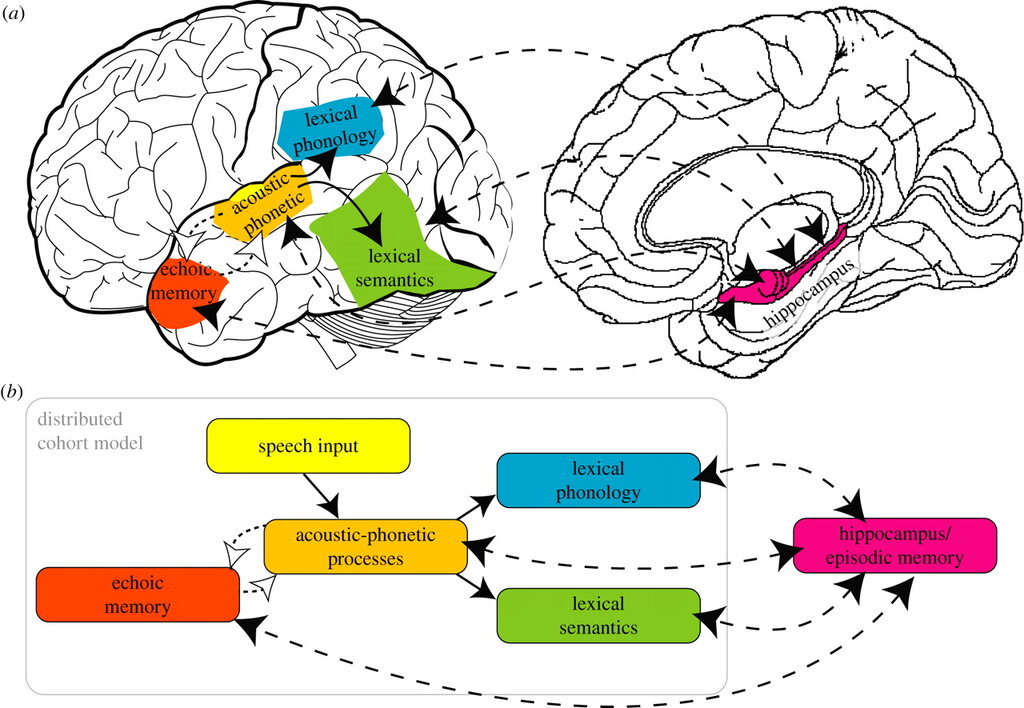
This neurological basis is important because it confirms that the struggles are real and not due to a lack of effort. Dyslexia is distinct from other learning challenges. While dysgraphia affects writing and dyscalculia affects math, dyslexia's primary impact is on reading and language processing.
Why Early Action Matters
Identifying dyslexia early is key. When children struggle with reading without understanding why, it can lead to frustration, low self-esteem, and a dislike for school. An early assessment can provide answers and unlock the right kind of support.
Early intervention is key in helping children overcome reading challenges.
Early intervention doesn't "cure" dyslexia, but it teaches effective strategies to manage it. With the right support, individuals with dyslexia can become skilled, confident readers and succeed in any field they choose. An assessment is the first step toward getting that support in place and helping a learner reach their full potential.