Understanding Diabetes Risk Factors
Understanding Diabetes Types
The Different Faces of Diabetes
Diabetes is a term for several conditions that affect how your body turns food into energy. All types of diabetes involve a hormone called insulin, but the problem with insulin differs depending on the type.
Type 1 Diabetes
Type 1 diabetes is an autoimmune disease. This means the body's own immune system mistakenly attacks and destroys the insulin-producing cells, called beta cells, in the pancreas. When these cells are gone, the body can produce very little or no insulin.
This isn't caused by diet or lifestyle. It usually develops in children and young adults, but it can appear at any age. Without insulin, sugar from food can't get into the cells to be used for energy, so it builds up in the bloodstream.
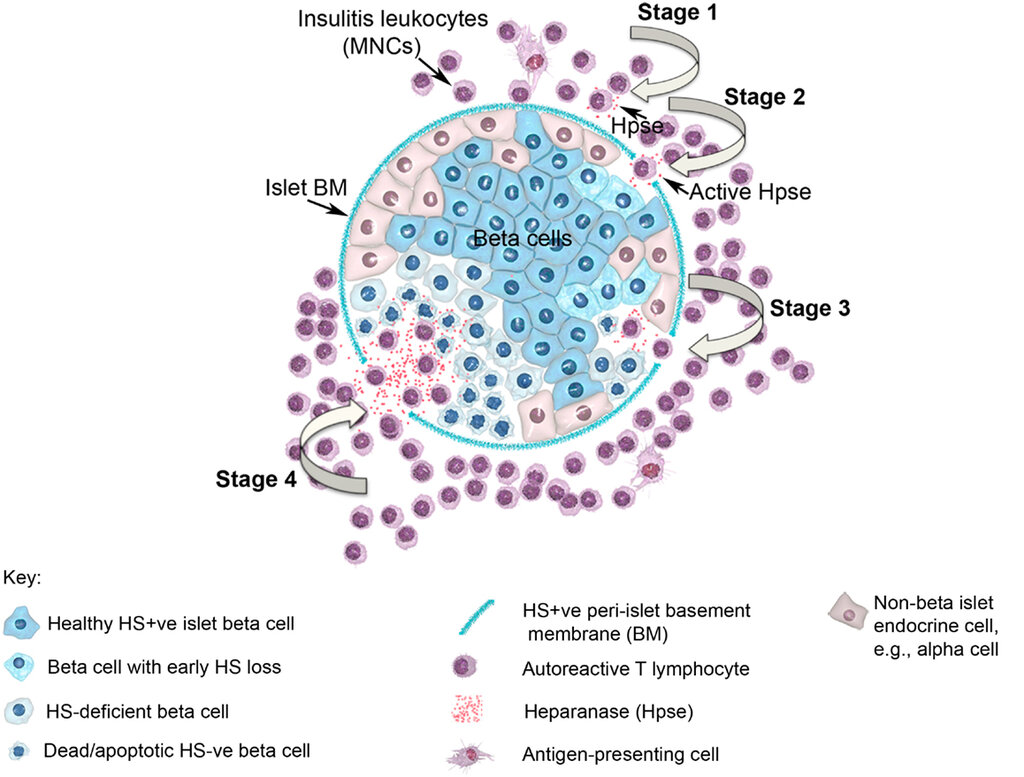
It's the least common form, accounting for about 5-10% of all people with diabetes.
Key takeaway: In Type 1, the body doesn't produce insulin because its immune system has destroyed the cells that make it.
Type 2 Diabetes
Type 2 diabetes is the most common form of diabetes, making up about 90-95% of all cases. In this condition, the body's cells don't respond properly to insulin. This is called insulin resistance.
At first, the pancreas makes extra insulin to overcome this resistance. But over time, it can't produce enough to keep blood sugar at normal levels. While genetics play a role, lifestyle factors like diet and physical activity are also significant.
Insulin Resistance
noun
A condition in which cells in your muscles, fat, and liver don't respond well to insulin and can't easily take up glucose from your blood.
So, the core problem is two-fold: the body doesn't use insulin effectively, and later, it can't produce enough of it.
Key takeaway: In Type 2, the body either resists the effects of insulin or doesn't produce enough to maintain normal glucose levels.
Gestational Diabetes
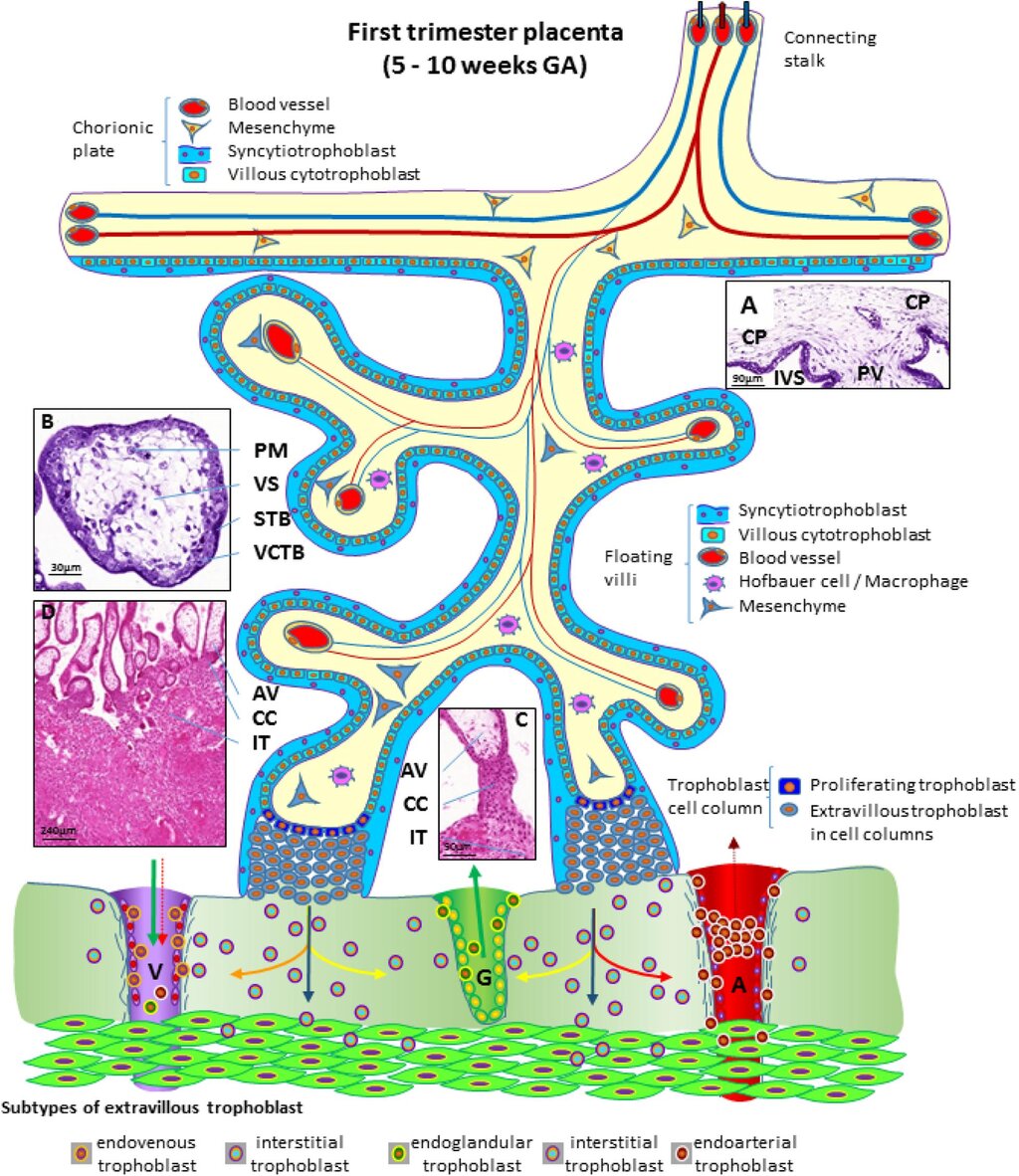
Gestational diabetes develops during pregnancy in women who didn't previously have diabetes. During pregnancy, the body produces hormones that can make cells more resistant to insulin. For most women, the pancreas can produce enough extra insulin to handle this.
When it can't, blood sugar levels rise, resulting in gestational diabetes. It affects about 2-10% of pregnancies each year.
This condition usually goes away after the baby is born. However, a woman who has had gestational diabetes has a higher risk of developing Type 2 diabetes later in life.
Key takeaway: Gestational diabetes is high blood sugar that starts during pregnancy due to hormonal changes.
| Feature | Type 1 Diabetes | Type 2 Diabetes | Gestational Diabetes |
|---|---|---|---|
| Primary Problem | Body produces little or no insulin | Cells are resistant to insulin | Hormones cause insulin resistance |
| Onset | Usually childhood/young adulthood | Usually adulthood | During pregnancy |
| Cause | Autoimmune reaction | Genetics & lifestyle factors | Pregnancy hormones |
| Prevalence | 5-10% of cases | 90-95% of cases | 2-10% of pregnancies |