Understanding Dark Magic
Defining Dark Magic
What Makes Magic Dark?
The term 'dark magic' sounds ominous, bringing to mind forbidden rituals and malevolent spells. But there’s no universal rulebook for magic. What one culture considers a healing rite, another might label as sinister. At its core, dark magic is simply a label society places on practices it deems harmful, selfish, or taboo.
The line between 'light' and 'dark' is often drawn by intent. Is the magic used to help or to harm? To create or to control? Dark magic typically involves manipulation, coercion, or causing suffering for personal gain. It seeks to subvert the natural order of things, whether by dominating another's will, communing with forbidden spirits, or cheating death.
The key characteristic of dark magic is its focus on power over others and the self-serving nature of its goals.
Think of it like a tool. A knife can be used to prepare a meal or to threaten someone. The object itself isn't inherently evil, but its application can be. Similarly, the forces tapped into by magic are often neutral. It's the practitioner's purpose that colors them light or dark.
A World of Shadows
The perception of dark magic shifts dramatically across cultures and time periods. What is forbidden in one society might be a respected tradition in another. For example, practices involving communication with the dead are viewed with fear in many Western cultures, often labeled as necromancy. Yet, in other belief systems, venerating and seeking guidance from ancestors is a central and honored spiritual practice.
Hollywood has often misrepresented traditions like Voodoo, painting it as a source of curses and zombies. In reality, it is a complex religion with its own ethics, and what an outsider might call a 'curse' could be seen as a form of divine justice by a practitioner. The label 'dark' is frequently applied by outsiders who don't understand the cultural context.
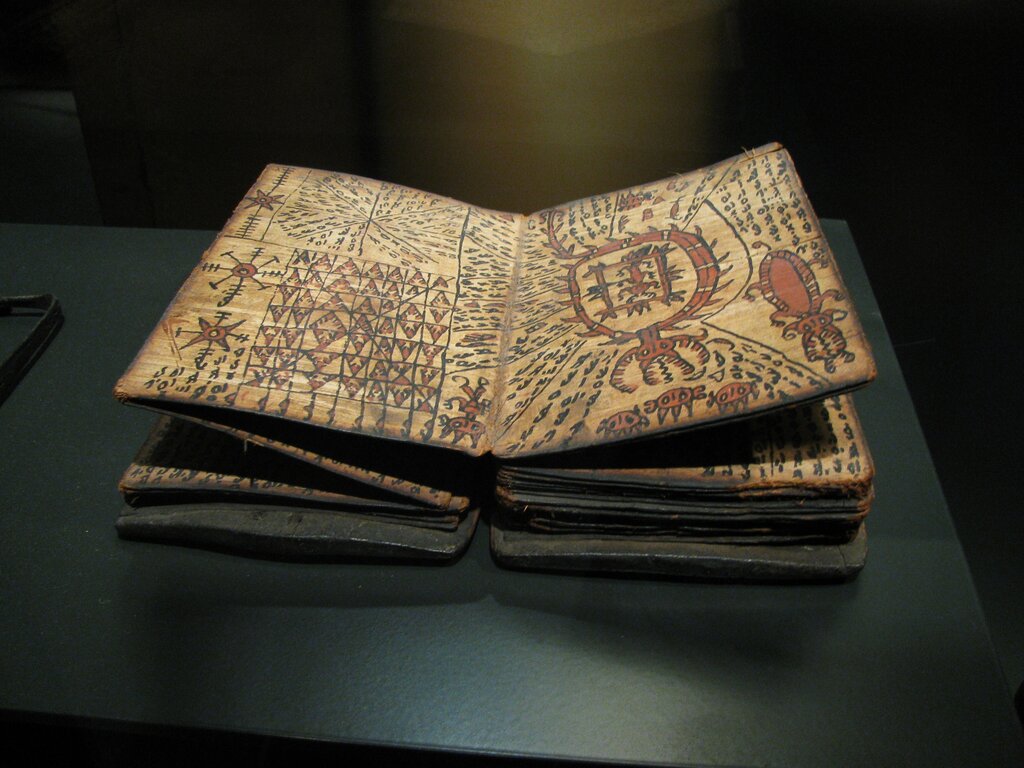
This highlights a crucial point: the concept of dark magic is often tied to the dominant belief system of a region. When one culture's religion or worldview becomes powerful, the practices of other, less dominant groups are sometimes demonized and pushed into the shadows.
Forbidden Arts Through History
History is filled with examples of practices branded as dark magic. During the European witch trials, herbalism and folk healing were often condemned as witchcraft, especially when practiced by women outside the established church. The fear was that such power came not from God, but from a pact with the devil.
Another feared practice was necromancy, the act of communicating with or raising the dead. While often sought for divination—to learn secrets of the future—it was widely considered a perversion of the natural cycle of life and death.
necromancy
noun
The supposed practice of communicating with the dead, especially in order to predict the future.
Even alchemy, the quest to turn lead into gold and find the elixir of life, had its darker side. Some alchemists were believed to be dabbling in forbidden knowledge and summoning spirits to achieve their goals, blurring the line between science and sorcery.
Ultimately, the 'dark' in dark magic is a reflection of a society's deepest fears: fear of the unknown, fear of death, and fear of power that operates outside its control. What is considered forbidden says as much about the culture doing the forbidding as it does about the magic itself.
Let's review the key concepts we've covered.
Ready to test your knowledge?
According to the text, what is the most accurate definition of 'dark magic'?
The primary factor that distinguishes 'light' magic from 'dark' magic is typically the practitioner's __________.
As we've seen, 'dark magic' is a fluid concept, defined more by social fears and cultural norms than by any objective measure of good or evil.