Understanding Cybercrimes and Legal Frameworks
Cybercrime Classification
Understanding Cybercrime Categories
Not all cybercrimes are created equal. While they all involve computers and networks, their relationship with technology can be very different. The simplest way to start classifying them is to ask one question: could this crime exist without the internet? This question splits the world of cybercrime into two broad categories: cyber-dependent and cyber-enabled.
Cyber-Dependent Crimes
Cyber-dependent crimes are offenses that can only be committed using computers, computer networks, or other forms of information communication technology (ICT). They are native to the digital world. Without the underlying technology, these crimes would not be possible.
Think of them as crimes against the machines themselves. The primary targets are computer systems or networks. Examples include hacking into a secure database, unleashing malware to disrupt systems, or orchestrating a denial-of-service attack to shut down a website.
malware
noun
Software intentionally designed to cause disruption to a computer, server, client, or computer network, leak private information, gain unauthorized access to information or systems, deprive users access to information or which unknowingly interferes with the user's computer security and privacy.
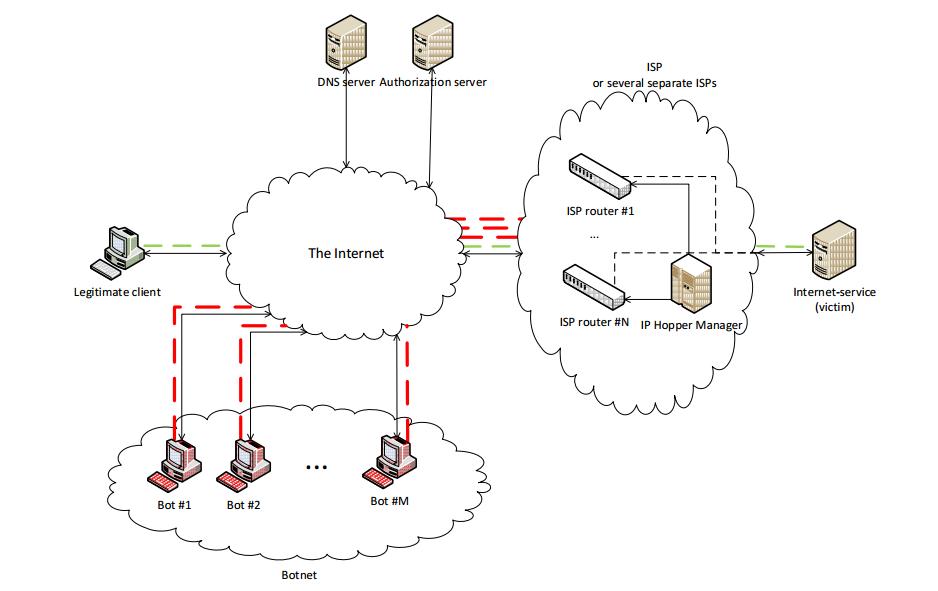
A common type of cyber-dependent crime is a Distributed Denial-of-Service (DDoS) attack. In this scenario, an attacker overwhelms a server with so much internet traffic from multiple sources that it can't serve legitimate users. The crime is the act of disabling the digital service itself.
Cyber-Enabled Crimes
Cyber-enabled crimes are traditional crimes that are amplified in their scale or reach by the use of computers or the internet. The offense itself isn't new, but technology provides a new, more effective way to commit it. The crime could exist offline, but the digital tools make it easier, faster, or more anonymous.
Examples are everywhere. Fraud is an age-old crime, but phishing emails and fake shopping websites allow criminals to defraud thousands of people at once. Stalking, harassment, and the illegal sale of counterfeit goods all existed long before the internet, but are now commonly committed online.
The key difference: Cyber-dependent crimes target computer systems. Cyber-enabled crimes use computer systems to target people.

In these cases, the computer is a tool or a location, but not the ultimate target. A fraudster wants your money, not to crash your computer. A cyberstalker is targeting a person for harassment, using social media as their platform of choice.
Emerging Categories
Beyond these two fundamental groups, some types of cybercrime are classified based on the perpetrator's motives and the scale of their impact. These often blend the lines between dependent and enabled crimes but are distinguished by their political or military objectives.
cyberterrorism
noun
The use of the internet to conduct violent acts that result in, or threaten, loss of life or significant bodily harm, in order to achieve political or ideological gains through threat or intimidation.
Cyberterrorism aims to create fear and disrupt society on a large scale. A cyberterrorist might hack into a hospital's network to sabotage patient care or take control of a public transportation system to cause chaos. The goal isn't just data theft or financial gain; it's to intimidate a population or government.
Cyberwarfare is similar but involves state-sponsored actors. It is the use of digital attacks by one country to disrupt the vital computer systems of another, with the aim of creating damage comparable to actual warfare. This could involve disabling military command and control systems, taking down financial markets, or compromising critical infrastructure like water treatment plants or the electrical grid.
Understanding these categories helps clarify what kind of threat is being discussed. It separates a lone hacker's attack on a server from a nation-state's strategic assault on another's infrastructure, providing a crucial framework for analyzing digital threats.
Time to check your understanding of these different cybercrime categories.
What is the fundamental difference between a cyber-dependent crime and a cyber-enabled crime?
An online scammer creates a fake e-commerce website to trick people into entering their credit card details. What type of crime is this?
Classifying cybercrimes helps security professionals, law enforcement, and policymakers understand the nature of the threat and how to best address it.