Understanding CRT Strategy
Introduction to Critical Race Theory
A Lens on Law and Power
Critical Race Theory, or CRT, is an academic framework for understanding how race and racism have shaped legal systems in the United States. It started in the 1970s and 80s with legal scholars who felt that the progress of the Civil Rights Movement had slowed down. They wanted to understand why racial inequality persisted despite new laws aimed at ending discrimination.
The central idea of CRT is that racism is not merely the product of individual bias or prejudice. Instead, it is often systemic, meaning it's embedded in legal systems, policies, and institutions that uphold and reproduce racial inequality. From this perspective, racism is a routine part of American life, not an exception.
CRT argues that racism is woven into the very fabric of society, including its laws and legal institutions.
This framework challenges the idea that laws are always neutral and objective. Critical race theorists argue that because laws are created by people within a society that has a history of racial hierarchy, they can reflect and perpetuate that hierarchy, even if the language of the law appears colorblind.
Race as a Social Construct
A foundational concept in CRT is that race is a social construct. This means race is not a biological or genetic reality. Instead, it's an idea created by societies and used to categorize people. These categories have changed over time and across different cultures, but they have often been used to create social and political hierarchies.
For example, the legal definition of who was considered "white" has shifted throughout U.S. history, often in ways that served specific economic and political interests. By viewing race as a social construct, CRT scholars can analyze how racial categories were built and how they have been used to grant power and privilege to some groups while denying it to others.
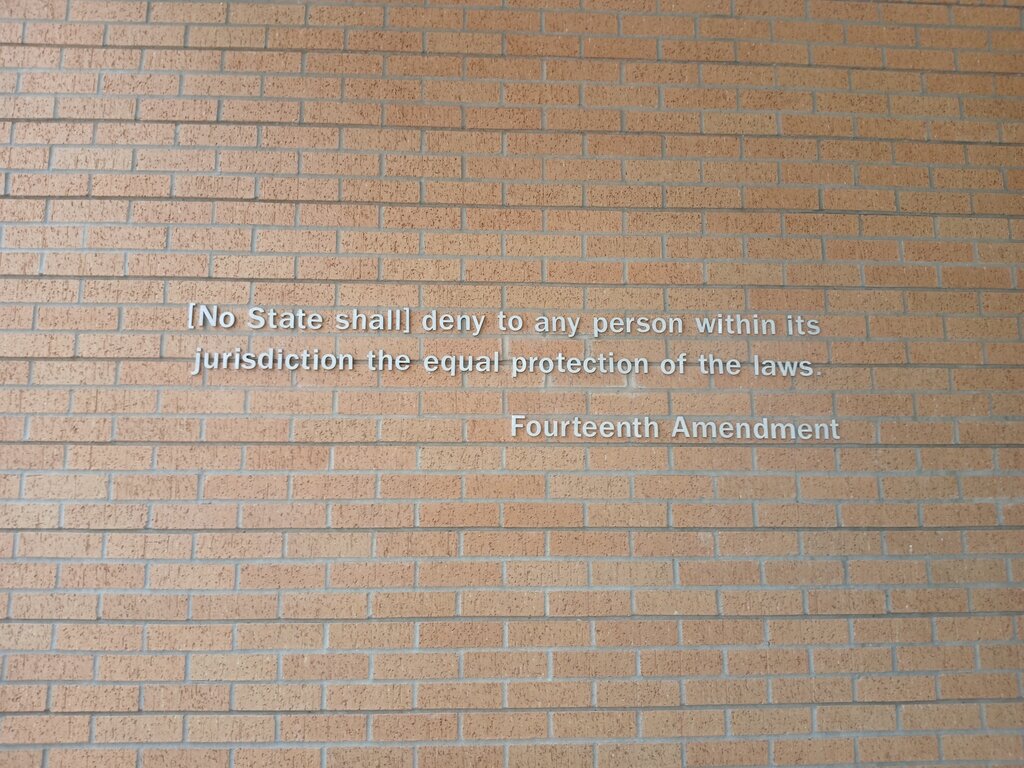
Critical race theorists examine legal principles like "equal protection" and ask critical questions. Has the law truly been applied equally to all people, regardless of race? Or have legal institutions interpreted and enforced laws in ways that maintain existing racial inequalities? They look at the outcomes of laws, not just the intentions behind them, to understand their real-world impact.
These core ideas provide a lens for re-examining history, law, and contemporary social issues to better understand the roots and persistence of racial inequality.
What is the central idea of Critical Race Theory regarding racism?
The idea that race is a 'social construct' means that race is not a biological or genetic reality.