Understanding Creation Science
Introduction to Creation Science
What Is Creation Science?
Creation science is an approach to understanding the origins of the universe, Earth, and life based on a literal interpretation of the creation account in the Book of Genesis. It operates from the belief that the events described in Genesis 1 and 2 are a factual, historical record of how everything came to be.
Unlike mainstream science, which relies on natural processes to explain origins over billions of years, creation science starts with the biblical text as its foundational framework. Its primary goal is to develop scientific models that align with the Genesis narrative.
The creation narrative of Genesis offers a strikingly different vision, both in tone and content.
A Literal Reading of Genesis
The cornerstone of creation science is the belief that the creation week described in Genesis consisted of six, literal 24-hour days. This interpretation directly shapes its view of Earth's history.
According to this view, adding up the genealogies listed in the Bible suggests that the Earth and the universe are relatively young, typically estimated to be between 6,000 and 10,000 years old. This perspective is known as Young Earth Creationism.
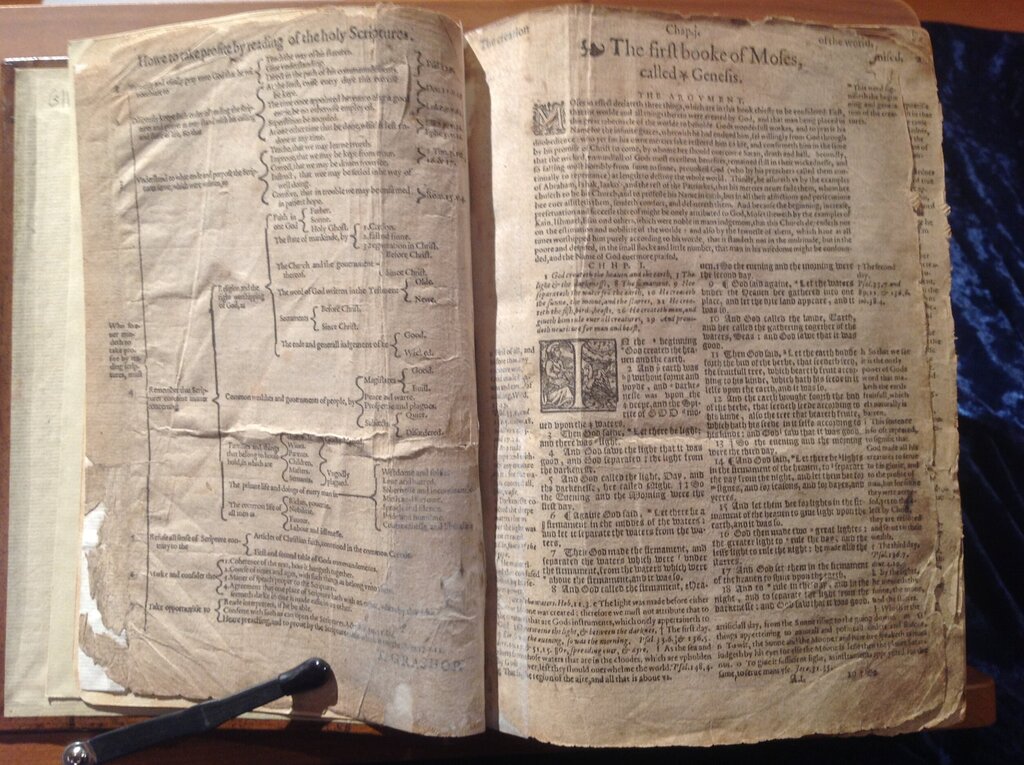
A young Earth is a direct conclusion drawn from reading the Genesis account as a straightforward historical timeline.
Special Creation and Kinds
Creation science rejects the theory of universal common descent, the idea that all life evolved from a single ancestor. Instead, it proposes the concept of "special creation." This is the belief that God created distinct forms of life suddenly and fully formed.
These original forms are often referred to as "kinds" or, in a more formal term, "baramin." Within a created kind, significant variation is possible. For example, all the different species of cats, from lions to house cats, might be considered descendants of an original "cat kind." However, one kind cannot transform into another. A reptile kind, for instance, could never become a bird kind.
baramin
noun
A term used in creation science to refer to the original "created kinds" of organisms. It's formed by combining the Hebrew words for "create" (bara) and "kind" (min).
The Modern Movement
While ideas about a young Earth based on scripture have existed for centuries, the modern creation science movement gained significant momentum in the 20th century. A pivotal moment was the 1961 publication of "The Genesis Flood" by John C. Whitcomb and Henry M. Morris.
This book sought to provide a scientific framework for Young Earth Creationism, arguing that a global flood, as described in the story of Noah, could explain many of Earth's geological features. Morris, often called the father of modern creationism, helped establish organizations like the Institute for Creation Research (ICR) to promote this view.
Now, let's check your understanding of these foundational concepts.
What is the foundational framework for creation science?
Young Earth Creationism, a central tenet of creation science, estimates the age of the Earth to be approximately...
These core beliefs—a literal reading of Genesis, a young Earth, and the special creation of life—form the foundation of creation science.