Understanding Coronary Heart Disease
Introduction to Coronary Heart Disease
The Heart's Plumbing Problem
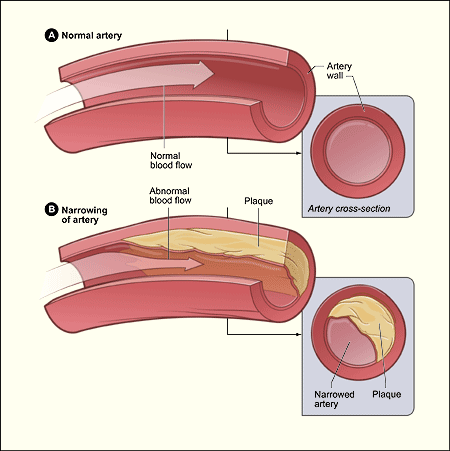
Coronary heart disease (CHD) is the most common type of heart disease in the United States. You might also hear it called coronary artery disease (CAD). At its core, it's a plumbing problem. The pipes that supply blood to your heart muscle get clogged over time.
This clogging process is called atherosclerosis. It happens when a sticky substance called plaque builds up on the inner walls of your arteries. Plaque is a mix of cholesterol, fats, calcium, and other substances found in the blood. As it accumulates, it hardens and narrows the arteries, which limits the flow of oxygen-rich blood.
The Heart's Own Fuel Lines
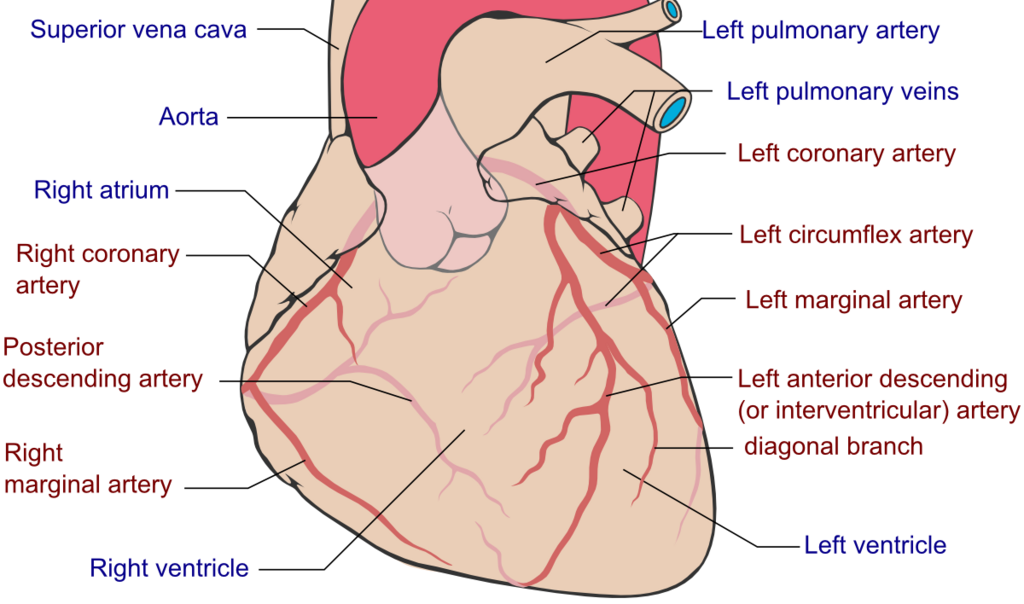
Your heart is a powerful muscle, constantly pumping to send blood to every part of your body. But like any muscle, it needs its own dedicated supply of fuel and oxygen to work. This vital job belongs to the coronary arteries.
These arteries branch off the aorta, the body's main artery, and wrap around the outside of your heart. They deliver a constant, fresh supply of blood to keep the heart muscle nourished. When these specific arteries get narrowed by plaque, the heart muscle can't get the blood it needs. This is the central issue in coronary heart disease.
The Process of Atherosclerosis
Atherosclerosis doesn't happen overnight. It's a slow, progressive disease that can begin in childhood. The process starts with damage to the smooth inner lining of an artery, called the endothelium. This damage can be caused by various factors, including high cholesterol and high blood pressure.
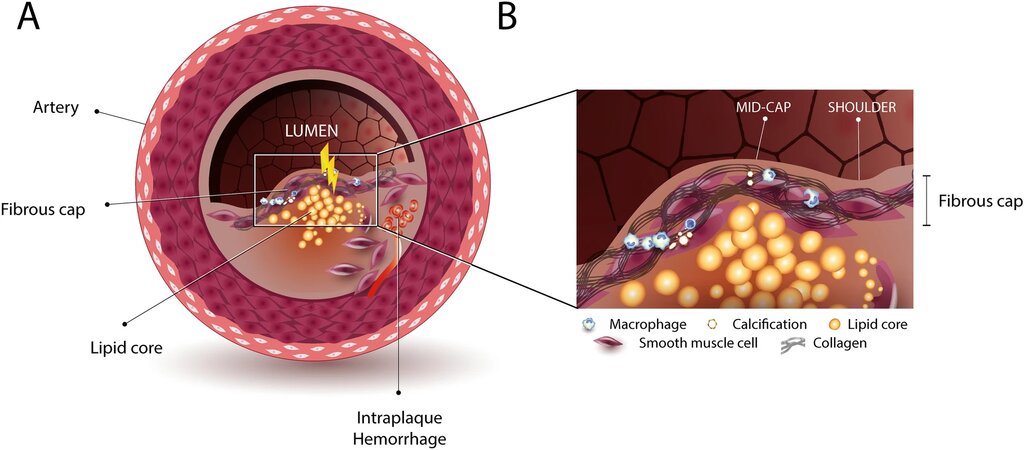
Once the lining is damaged, certain types of cholesterol, like low-density lipoprotein (LDL), start to collect at the site of the injury. The body's immune system sends white blood cells to clean up the cholesterol, but they can get stuck there. Over years, these cells, along with cholesterol, fats, and cellular waste, build up into a plaque.
Think of it like rust forming inside a water pipe. Over time, the buildup narrows the passage, making it harder for water to get through.
The plaques can be soft and fragile or hard and stable. A soft plaque's surface can rupture, causing a blood clot to form on top of it. This clot can grow large enough to completely block the artery, which is what leads to a heart attack.
A Major Health Concern
Coronary heart disease is a leading cause of death for both men and women in many parts of the world. Because atherosclerosis can develop silently over decades, many people don't know they have it until they experience a major event like a heart attack.
Understanding this underlying process is the first step in recognizing the importance of heart health. The slow narrowing of these crucial arteries underscores why prevention and early awareness are so critical in public health.