Understanding Conventional Energy Sources
Introduction to Energy
What is Energy?
Energy is one of those words we use all the time, but it can be tricky to pin down. At its core, energy is the capacity to do work or to cause change. Think of it as the universe's currency for making things happen. Without energy, nothing would move, grow, or change.
Energy
noun
The quantitative property that must be transferred to an object in order to perform work on, or to heat, the object. It is a conserved quantity; the law of conservation of energy states that energy can be converted in form, but not created or destroyed.
The most important rule about energy is that it can't be created from nothing or destroyed into nothing. It only changes from one form to another. Every bit of energy in the universe has been here since the beginning and will be here until the end. It just gets moved around and converted.
The Law of Conservation of Energy: Energy can't be created or destroyed, only transformed.
The Many Faces of Energy
Energy comes in many different forms. Recognizing them helps us see how energy flows through the world around us. Let's look at a few of the most common types.
| Form | Description | Simple Example |
|---|---|---|
| Mechanical | The energy of an object due to its motion or position. | A moving car or a stretched rubber band. |
| Thermal | Heat energy, related to the vibration and movement of atoms and molecules. | The warmth from a fire or a hot cup of coffee. |
| Chemical | Energy stored in the bonds of chemical compounds. | The energy in a battery, a piece of wood, or the food you eat. |
| Electrical | Energy carried by moving electrons in an electrical conductor. | The power that flows through wires to light your home. |
Mechanical energy itself is often split into two types. Kinetic energy is the energy of motion, like a baseball flying through the air. Potential energy is stored energy, like the baseball held in the pitcher's hand before the throw. The higher you lift the ball, the more potential energy it has.
The Great Transformation
The real magic of energy is our ability to convert it. We rarely use energy in its original form. Instead, we transform it into the type we need for a specific task. This process of energy conversion, or transformation, is happening all around you, all the time.
Think about a simple flashlight. It doesn't create light out of nowhere. It converts stored chemical energy in the batteries into electrical energy, which then becomes light and a little bit of heat.
This principle is fundamental to technology. A car's engine converts the chemical energy in fuel into thermal energy through combustion, which then creates the mechanical energy that turns the wheels. A power plant does the same thing on a much larger scale, converting one form of energy into electrical energy that can be sent to our homes and businesses.
Powering Our World
Modern society is built on our ability to manage these energy transformations. We take energy from various sources and convert it into forms that are easy to transport and use, most often electricity. Electricity is incredibly useful because it can be moved over long distances with wires and easily converted into other forms of energy on demand—light, heat, sound, or motion.
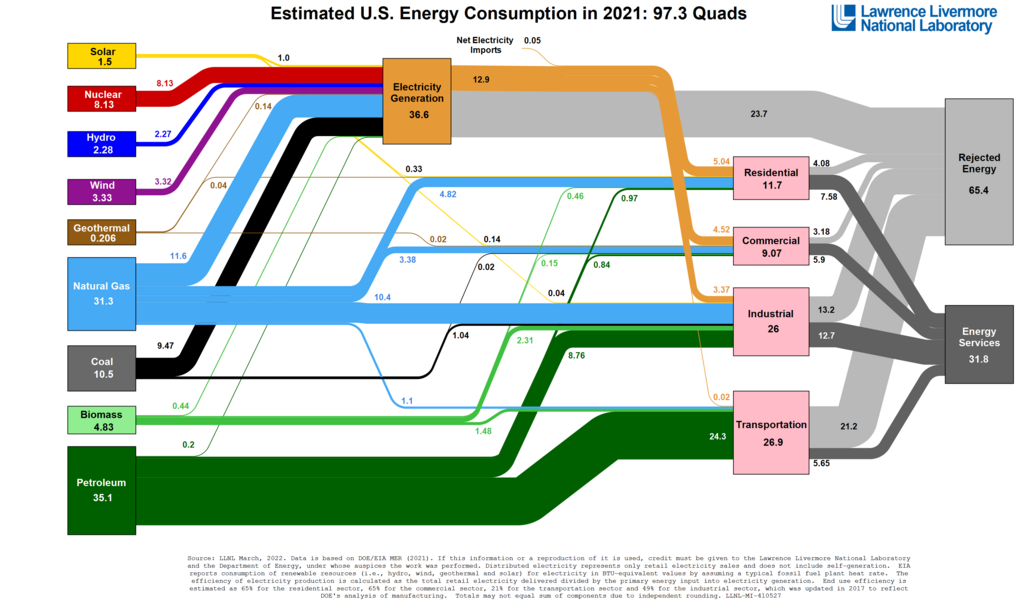
From the chemical energy in the food that fuels our bodies to the massive power grids that light up our cities, life is a constant flow and transformation of energy. Understanding these basic principles is the first step toward understanding the systems that power our world.