Understanding Contractors All Risks Insurance
Introduction to CAR Insurance
The Construction Safety Net
A construction site is a hub of controlled chaos. You have materials arriving, heavy machinery moving, and dozens of people working together to bring a blueprint to life. With so many moving parts, and so much money on the line, things can and do go wrong. A sudden storm, a fire, or simple human error can bring a project to a grinding halt.
This is where Contractors All Risks (CAR) insurance comes in. It's a specialized, comprehensive policy designed specifically for construction projects. Think of it as a financial safety net that catches a wide range of potential problems, from the foundation pour to the final touches.
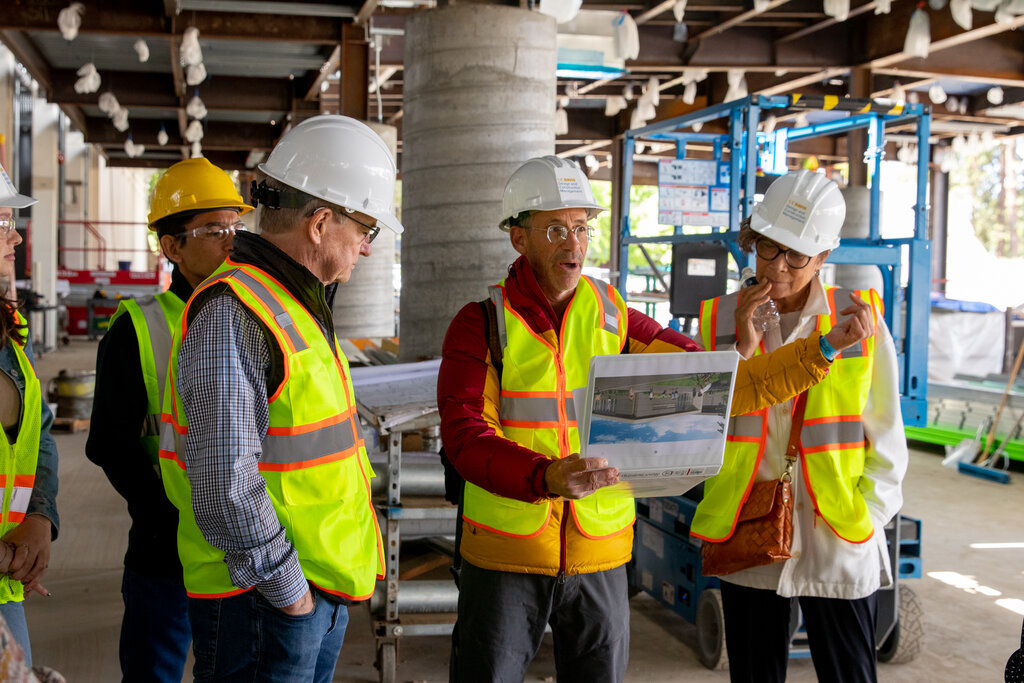
The main purpose of a CAR policy is to protect everyone involved, including the contractor, the project owner, and any subcontractors, from the financial fallout of unexpected accidents. Without it, a single incident could bankrupt a company or derail a project indefinitely.
Two Layers of Protection
CAR insurance is typically built on two core components that cover different types of risk. It's designed to be an all-in-one package for the duration of the build.
First, it covers material damage. This protects the physical work-in-progress and the materials on site. If a fire breaks out and destroys a partially completed wing of a building, this part of the policy helps pay to rebuild it. It also covers the cost of materials, like a shipment of lumber or steel, that are damaged or stolen from the job site.
For example, if a severe windstorm causes a wall to collapse, the material damage section of the CAR policy would cover the costs of demolition, debris removal, and reconstruction of that wall.
The second component is third-party liability. This covers your legal responsibility for property damage or bodily injury to others who aren't involved in the project. The 'third party' could be a visitor to the site, a neighbor, or just a random passerby.
liability
noun
The state of being legally responsible for something.
Imagine a crane is lifting a steel beam and it accidentally swings out and damages the roof of an adjacent home. The third-party liability portion of the CAR policy would step in to cover the repair costs for the homeowner's roof and any related legal fees. It protects the project from claims coming from outside the immediate construction work.
Why It's Essential
Construction projects are massive investments of time and money. CAR insurance is the standard way the industry manages the inherent risks. For contractors, having this coverage is not just a good idea; it's often a requirement.
Project owners and lenders will almost always demand proof of a CAR policy before any work begins. They want assurance that their investment is protected from unforeseen events that could otherwise cause catastrophic financial loss. It provides peace of mind for everyone with a stake in the project's success.
For contractors, having Commercial General Liability (CGL) Insurance isn’t just smart—it’s often a must.
By bundling protection for both the project's physical assets and its public liability, CAR insurance provides a seamless and comprehensive solution. It ensures that one accident doesn't lead to a cascade of financial and legal problems, allowing the project to get back on track as quickly as possible.