Understanding Context Engineering
Introduction to Context Engineering
Giving AI the Right Clues
Imagine you ask a brilliant historian, “What happened on Tuesday?” They can’t answer without more information. Which Tuesday? Tuesday of what year? What topic are you interested in—politics, sports, science? To get a useful answer, you need to provide context.
Artificial intelligence works the same way. An AI model can possess vast knowledge, but it needs specific, relevant information to perform a task well. This is where context engineering comes in.
Context Engineering
noun
The practice of designing and managing the flow of information that an AI system receives to improve its performance, accuracy, and relevance.
If you've heard of prompt engineering, you can think of it as the art of asking a good question. Context engineering is the science of making sure the AI has the right background knowledge to answer it. It’s about building the informational world the AI operates in.
In essence, prompt engineering is the art of asking the right question, while context engineering is the science of ensuring the AI has access to the right information to answer that question effectively.
Why It Matters
Without proper context, AI models can make mistakes, invent facts, or give generic answers that aren’t very helpful. Providing the right context grounds the AI, connecting its vast general knowledge to a specific, real-world task. This makes its responses more accurate, relevant, and safe.
Think of an AI assistant helping a doctor. The AI needs the patient’s medical history, recent lab results, and current symptoms to offer a useful suggestion. Just knowing about medicine in general isn't enough. Context engineering is the process of ensuring all that crucial data is available to the AI at the exact moment it's needed.
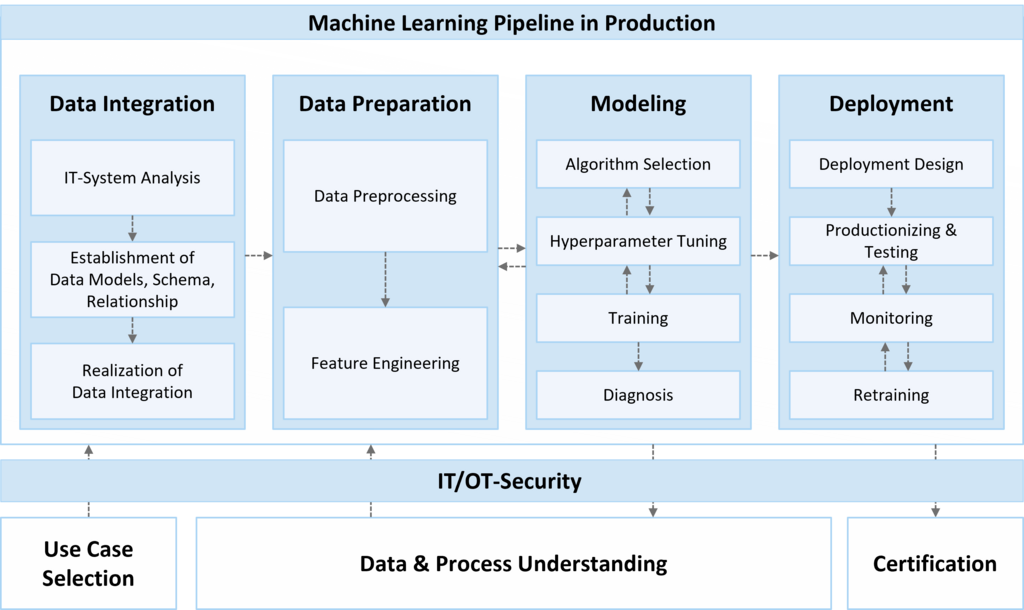
This leads to better decision-making and helps align the AI’s behavior with human goals. When an AI understands the specific situation, it's less likely to go off-topic or provide unsafe advice.
The Context Engineer
The person responsible for this work is a context engineer. Their job isn't just about writing code; it's about being an information architect for AI systems.
Key responsibilities include:
- Identifying Information Needs: Figuring out exactly what knowledge an AI needs to perform a specific task.
- Designing Information Flow: Creating systems that can find, retrieve, and deliver the right information to the AI at the right time.
- Structuring Data: Organizing information in a way that is clear and easy for the AI to understand and use.
- Maintaining Relevance: Updating the information sources and rules as the world and the business needs change.
A context engineer bridges the gap between the AI model and the messy, complex data of the real world.
Benefits for Business
For enterprises, implementing context engineering isn't just a technical upgrade. It has direct business benefits.
When AI systems have the right context, they become more reliable and efficient. A customer service bot can access a customer's order history to resolve issues faster. An AI marketing tool can use past campaign data to generate more effective ad copy. A financial AI can analyze current market data to provide more accurate forecasts.
Ultimately, context engineering leads to AI systems that are not just powerful, but genuinely useful and trustworthy partners in achieving business goals. It transforms AI from a fascinating technology into a practical tool for solving real problems.
According to the text, how is context engineering different from prompt engineering?
Which of the following is NOT a responsibility of a context engineer?