Understanding Consumer Choices
Introduction to Consumer Behavior
The Why Behind the Buy
Think about the last thing you bought. Maybe it was a coffee, a new pair of headphones, or just your weekly groceries. Did you grab the first thing you saw, or did you spend time comparing options? What made you choose that specific brand? These are the kinds of questions at the heart of consumer behavior.
Consumer Behavior
noun
The study of how individuals, groups, and organizations select, buy, use, and dispose of goods, services, ideas, or experiences to satisfy their needs and wants.
It’s about the entire story behind a purchase, not just the final moment at the checkout counter. It includes the thoughts, feelings, and actions of a person from the second they realize they need something to long after they’ve started using it. Every choice, from the trivial to the life-changing, is a piece of the puzzle.
Why Marketers Care
For businesses, understanding consumer behavior isn't just an academic exercise. It's the key to survival. If a company doesn't know who its customers are, what they need, and what influences their choices, its marketing efforts are just shots in the dark.
Knowing why people buy allows companies to create products that solve real problems and craft messages that resonate. It helps them decide everything from the color of the packaging to the price tag to the ads you see on social media.
To effectively meet customer needs, businesses must first understand what influences their decisions.
Imagine a company trying to sell a high-tech, expensive electric skateboard. If they market it to retirees focused on safety and comfort, they'll likely fail. But if they understand that their target consumers are young, urban professionals who value design, technology, and convenience, they can tailor their entire strategy to appeal to that specific group.
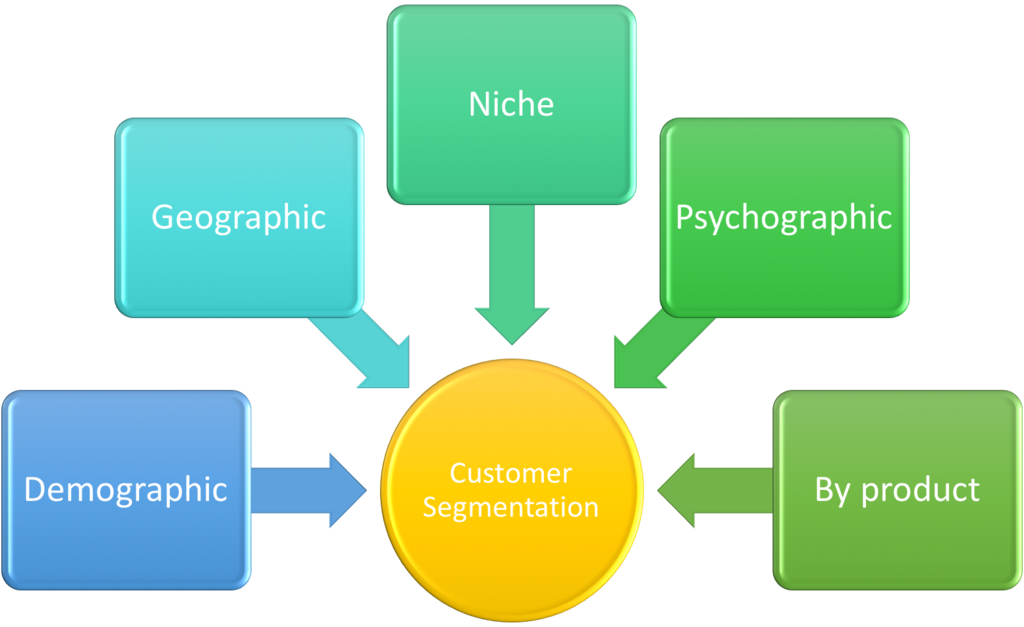
This deep understanding helps businesses not only attract new customers but also build loyalty with existing ones. It transforms marketing from simple advertising into a meaningful conversation.
The Decision-Making Journey
While every buying decision is unique, most follow a general pattern. We can think of it as a five-step journey that a consumer takes, whether they're conscious of it or not. This process provides a framework for understanding how choices are made.
Let's walk through it with an example: buying a new laptop.
-
Need Recognition: The journey starts when you realize a gap between your current state and your desired state. Your old laptop is slow and can't handle the software you need for work. You recognize a need for a new one.
-
Information Search: Next, you look for information. You might ask tech-savvy friends for recommendations, read online reviews, watch video comparisons, and visit company websites.
-
Evaluation of Alternatives: With a few options in mind, you start comparing them. You'll weigh factors like price, processing power, battery life, screen size, and brand reputation to see which one best fits your needs.
-
Purchase Decision: You've made up your mind. You decide on a specific model and where to buy it, whether online or in a physical store.
-
Post-Purchase Behavior: The journey isn't over. After buying the laptop, you'll evaluate your decision. Are you satisfied? Does it perform as expected? If you're delighted, you might leave a positive review or recommend it to others. If you're disappointed, you might return it or complain.
This five-step process can be quick and almost unconscious for a small purchase, like a soda, or long and deliberate for a big one, like a car.
Consumer behavior is best described as:
Your old smartphone's battery life is terrible and it keeps crashing. You realize you need a new one. Which stage of the consumer decision-making process are you in?