Understanding Conspiracy Theories About Israel
Introduction to Conspiracy Theories
What is a Conspiracy Theory?
At its core, a conspiracy theory proposes that major events or situations are not what they seem. Instead, they are seen as the secret work of powerful and sinister groups with a hidden agenda. These explanations stand in contrast to the official or commonly accepted account of events.
conspiracy theory
noun
An explanation for an event or situation that invokes a conspiracy by powerful and sinister groups, often political in motivation, when other explanations are more probable.
Three elements are almost always present:
- A group of conspirators: These are often depicted as a small, powerful cabal operating in the shadows.
- Secret actions: The group's plans are carried out in secret, hidden from public view.
- A malevolent goal: The conspiracy aims to achieve something harmful or nefarious, which benefits the conspirators at the expense of others.
Think of the long-standing theories surrounding the assassination of President John F. Kennedy. The official explanation points to a lone gunman. Conspiracy theories, however, suggest a secret plot by groups like the CIA, the Mafia, or foreign governments. These alternative narratives persist because they offer a more intricate, and for some, more satisfying explanation for a shocking event.
The Psychology of Belief
Why do people believe in conspiracy theories? The reasons are often more about psychology than about evidence. Our brains are wired to find patterns, a trait that helps us make sense of a complex world. Sometimes, however, this pattern-seeking instinct goes into overdrive, leading us to see connections and plots where none exist. This is known as patternicity or apophenia.
Another powerful factor is cognitive bias. For example, confirmation bias leads us to favor information that confirms our existing beliefs while ignoring evidence that contradicts them. If someone is already distrustful of authority, they are more likely to accept a conspiracy theory that paints that authority in a negative light.
Beyond these mental shortcuts, conspiracy theories can fulfill deep-seated psychological needs. In a world that often feels chaotic and random, believing in a conspiracy can provide a sense of order and understanding. It suggests that someone, even a malevolent group, is in control. It can also make a person feel special or insightful for possessing “secret knowledge” that others don’t.
Belief in conspiracy theories is often attributed to some form of motivated reasoning: People want to believe a conspiracy because it reinforces their worldview, for example, or doing so meets some deep psychological need, like wanting to feel unique.
This isn't just about individual psychology. Social factors play a huge role in how these ideas take hold and spread.
How Theories Spread
A general distrust of authority is a key ingredient. When people lose faith in institutions like the government, science, or the media, they become more open to alternative explanations for events. If the official story is perceived as untrustworthy, any theory, no matter how far-fetched, can seem plausible.
Once a seed of doubt is planted, it spreads through social networks. In the past, this happened through pamphlets or word of mouth. Today, the internet acts as a powerful accelerator. Online forums, social media groups, and video platforms allow believers to find each other, share “evidence,” and reinforce their shared worldview. This creates echo chambers where dissenting opinions are silenced and the conspiracy narrative is strengthened.
Conspiracy theorising is more often than not a shared endeavour and a social activity, performed through organisations, movements, campaigns, or through jointly produced websites and internet forums.
These theories often employ a specific set of argumentative techniques to appear credible. They might rely on fake experts, cherry-pick data that supports their claim, or make logical leaps that don't stand up to scrutiny. Understanding these tactics is crucial for identifying and analyzing them.
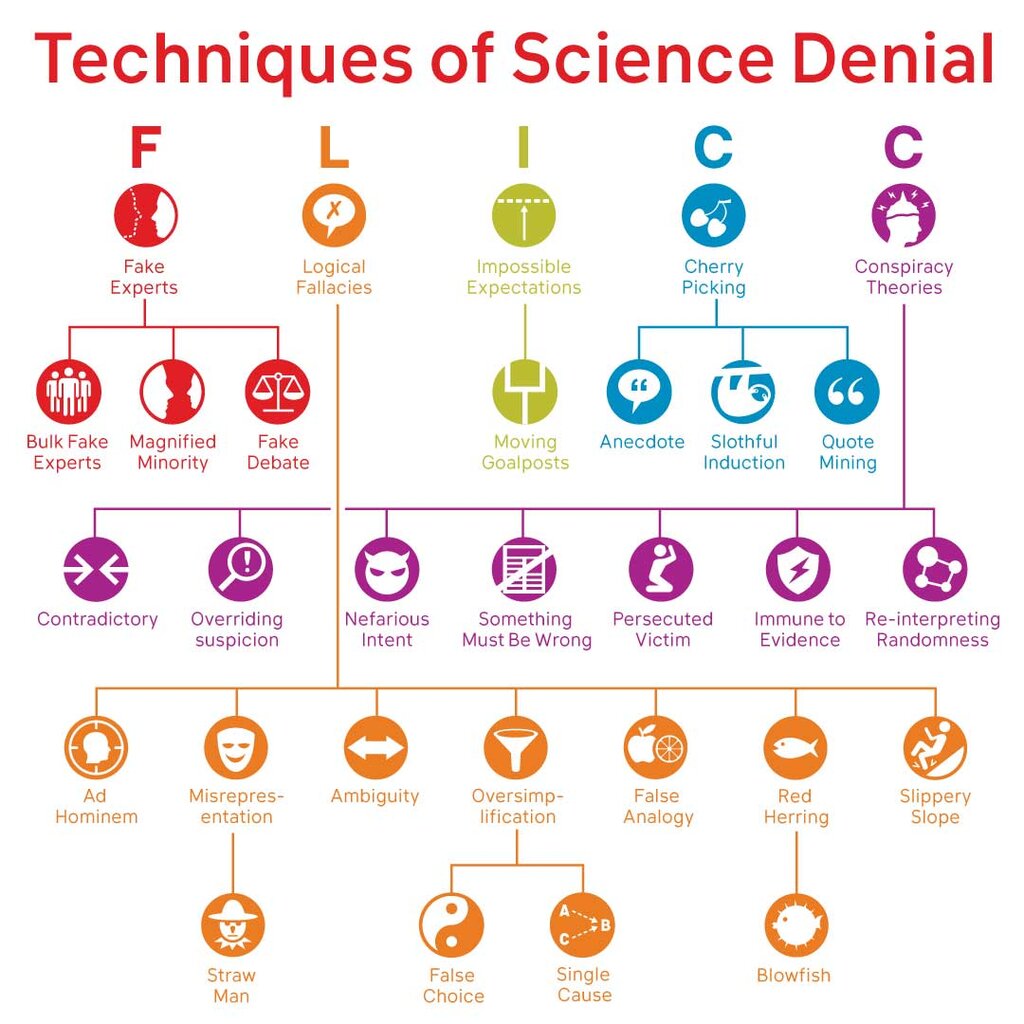
Before we move on, let's review some of the key ideas we've covered.
Now, let's test your understanding with a few questions.
According to the definition provided, which of the following is NOT a core element typically found in a conspiracy theory?
The tendency for our brains to see connections and plots where none exist, a factor in why people believe conspiracies, is known as:
Understanding the fundamental structure and appeal of conspiracy theories is the first step in being able to critically evaluate them, regardless of their subject matter.