Understanding Confidence
Understanding Confidence
What is Confidence?
Confidence is the trust you have in your own abilities, qualities, and judgment. It’s not about being arrogant or believing you’re better than others. It's a quiet, internal belief that you can handle what comes your way. Think of it as the foundation you stand on when you decide to take a risk, speak your mind, or try something new.
This belief isn’t just a feeling; it actively shapes your actions and decisions. When you feel confident, you're more likely to step forward and engage with the world. When you don't, you might hesitate or shy away from opportunities.
Confidence
noun
A feeling of self-assurance arising from one's appreciation of one's own abilities or qualities.
Nobody is born with a full supply of confidence. It's a skill that develops over time, built from a mix of experiences, successes, and even failures. Every time you step outside your comfort zone and accomplish something, no matter how small, you add a brick to your foundation of confidence. It’s a process of learning and growing.
Building confidence often starts with small, manageable wins. Each success proves to you that you're capable, making it easier to tackle the next, bigger challenge.
Factors That Shape Our Confidence
Our level of confidence isn't static; it can change from day to day and situation to situation. Several factors, both internal and external, play a role in shaping it.
- Past Experiences: Successes tend to build confidence, while failures can erode it. The key is learning to see failure not as a final verdict, but as a stepping stone and a learning opportunity.
- Self-Talk: The inner voice in your head has a huge impact. Positive, encouraging self-talk can boost your confidence, while a critical inner voice can tear it down.
- Preparation: Feeling prepared for a situation, whether it's a test, a presentation, or a difficult conversation, naturally makes you feel more confident.
- Feedback from Others: Encouragement from friends, family, and mentors can be a powerful confidence booster. Conversely, constant criticism can have the opposite effect.
- Social Comparison: Constantly comparing yourself to others is often a recipe for feeling inadequate. Confident people tend to focus on their own progress and journey.
Confidence in Action
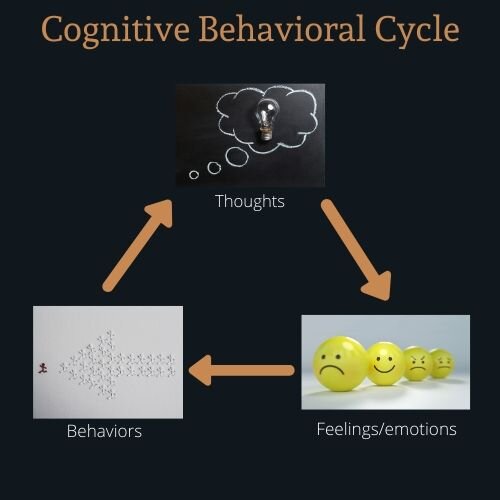
Confidence directly influences our behavior and the choices we make. A confident person is more likely to raise their hand in class, apply for a promotion, or introduce themselves to someone new. They see challenges as opportunities to be tackled, not threats to be avoided.
This plays out in countless daily scenarios. Consider asking for a raise. Someone with low confidence might talk themselves out of it before they even start, worrying about rejection. A confident person, believing in the value they bring, is more likely to prepare their case and start the conversation. Their confidence doesn't guarantee success, but it opens the door to the possibility.
Confidence plays a crucial role in psychological well-being and can greatly impact an individual’s overall performance and decision making abilities.
Here’s how confidence can change the approach to a common task:
| Situation | Low Confidence Approach | High Confidence Approach |
|---|---|---|
| Job Interview | Focuses on weaknesses and fears being judged. Answers are hesitant. | Sees it as a conversation to see if the fit is right. Highlights strengths and experience. |
| Learning a New Skill | Gets frustrated by mistakes and thinks, "I'm just not good at this." | Expects a learning curve and views mistakes as part of the process. Persists through difficulty. |
| Receiving Feedback | Takes criticism personally and feels defeated. | Listens openly, separates the feedback from their self-worth, and looks for ways to improve. |
Now that you've learned about the foundations of confidence, let's test your knowledge.
Which statement best defines confidence?
According to the text, how is confidence primarily developed?