Understanding Concepts of God
Defining Divinity
The Idea of Divinity
What makes something divine? Across history and around the globe, people have tried to describe a power or reality that exists beyond our everyday experience. This is the core of divinity: a quality of being sacred, godlike, or connected to a higher, transcendent realm. It’s what separates a deity from a mortal, a sacred grove from a regular patch of trees.
Divinity
noun
The state or quality of being divine; a divine being or god.
This concept isn't a single, fixed idea. It’s more like a family of related concepts, with different cultures emphasizing different aspects. To understand these variations, we can start by looking at the characteristics most often attributed to divine beings.
Attributes of the Divine
When people imagine gods, they often assign them qualities that are perfect or limitless versions of human traits. Philosophers and theologians often use three specific terms to describe the ultimate powers of a supreme being, especially in Western traditions.
Omnipotence: The quality of being all-powerful. Omniscience: The quality of being all-knowing. Omnibenevolence: The quality of being all-good or perfectly loving.
An omnipotent being can do anything. An omniscient one knows everything that has happened, is happening, and will happen. An omnibenevolent deity possesses perfect goodness and wills no evil.
However, not every divine being is described this way. Some mythologies feature gods who have clear limits. They might be incredibly powerful but not all-powerful, or wise but not all-knowing. They can make mistakes, feel jealousy, and get into arguments, much like humans.
Forms of the Divine
Just as the attributes of divinity vary, so do its forms. Some belief systems are monotheistic, centered on a single, all-encompassing God. Others are polytheistic, featuring a whole pantheon of gods and goddesses, each with their own domain, personality, and power.
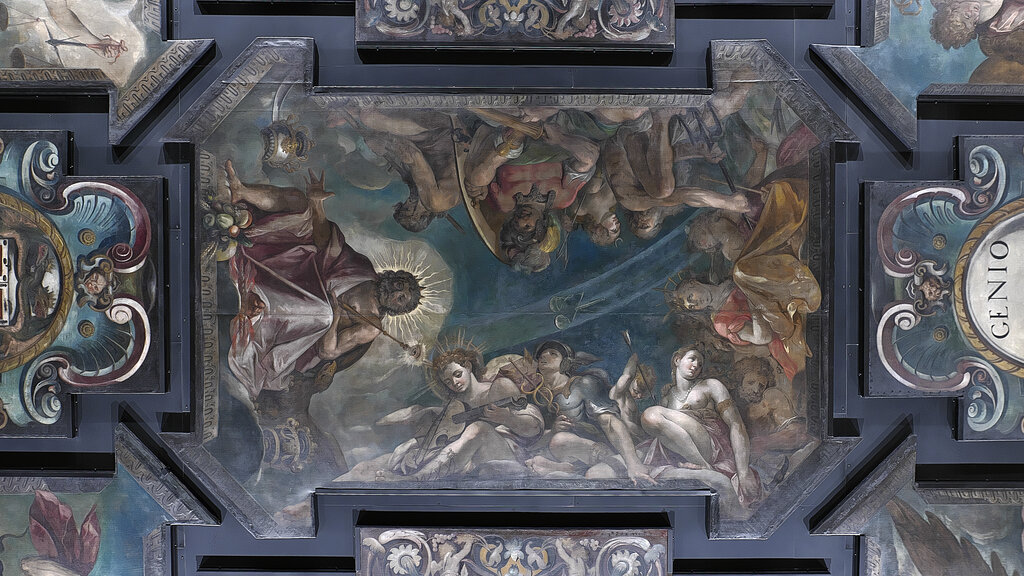
The appearance of divine beings also differs wildly. Many cultures imagine their gods in anthropomorphic, or human-like, form. The Greek gods on Mount Olympus, for example, looked and acted like super-powered humans.
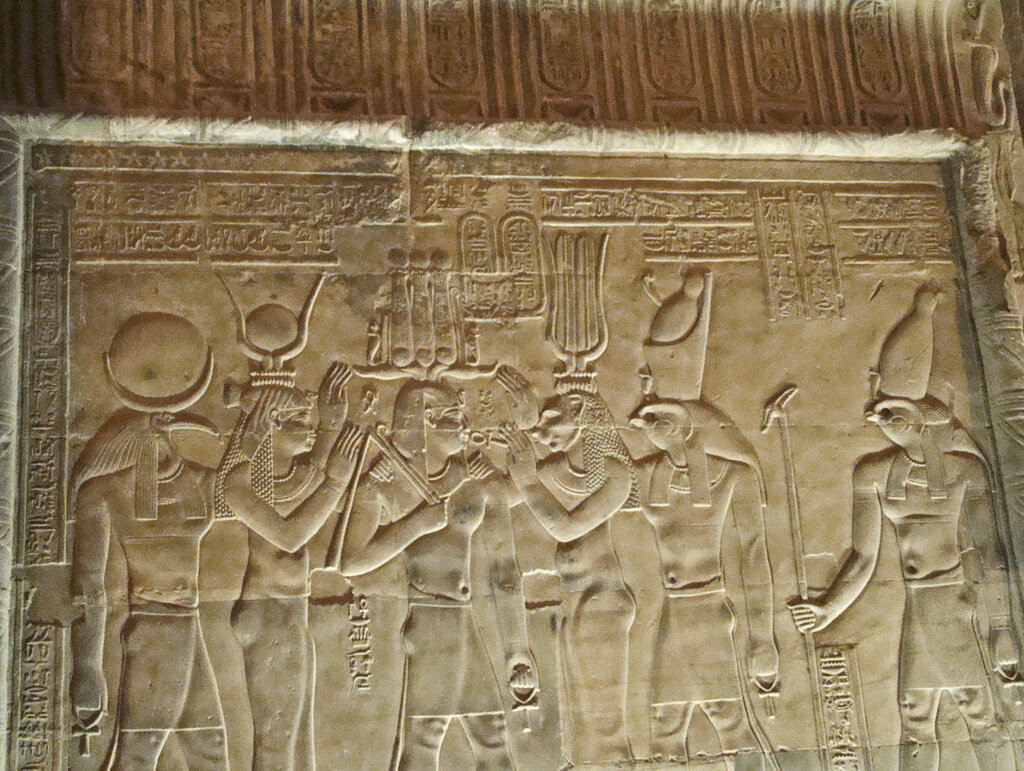
In other traditions, deities are zoomorphic, taking the form of animals or hybrids of human and animal. Think of the gods of ancient Egypt, like Horus with the head of a falcon or Anubis with the head of a jackal.
Still others see divinity as an abstract force, not a person-like being at all. This might be an impersonal cosmic energy, a universal principle, or the sacredness inherent in nature itself. In these views, the divine isn't a 'who' but a 'what'—the fundamental reality that underlies everything.
What is the core quality that defines something as divine?
A deity described as being all-powerful, with the ability to do anything, is considered...
Understanding these different attributes and forms is the first step in exploring the vast landscape of human belief about the divine.