Understanding Concepts
Introduction to Concepts
The Building Blocks of Thought
Every moment of your day, your mind is busy sorting, labeling, and making sense of the world. When you see a furry, four-legged animal wagging its tail, you instantly think "dog." You don't have to analyze its every feature. This mental shortcut is possible because you have a concept of what a dog is.
A concept is a mental grouping of similar objects, events, ideas, or people. It's an abstract idea, a general notion that helps us organize our knowledge. Concepts are like mental file folders. Instead of remembering every single chair you've ever seen, you have a concept of "chair" that includes everything from an office swivel chair to a wooden dining chair.
Concept
noun
An abstract idea; a general notion that represents a class or category of items or ideas.
Without concepts, every experience would be new and overwhelming. You'd have to figure out what to do with a fork at every meal. By categorizing things, we can apply past knowledge to new situations. This makes our thinking efficient, allowing us to process vast amounts of information quickly.
This ability to group and generalize is fundamental to all higher-level thinking, from solving simple problems to developing complex scientific theories.
Concepts Across Disciplines
Concepts are not just a topic for psychology; they are the bedrock of many fields of study. Different disciplines focus on different aspects of concepts.
In philosophy, thinkers debate the nature of abstract concepts like "truth," "beauty," and "justice." Are these concepts real things that exist independently of our minds, or are they purely mental constructions?
Psychology explores how we form, learn, and use concepts. Cognitive psychologists study the mental processes involved in categorization and how children develop concepts as they grow.
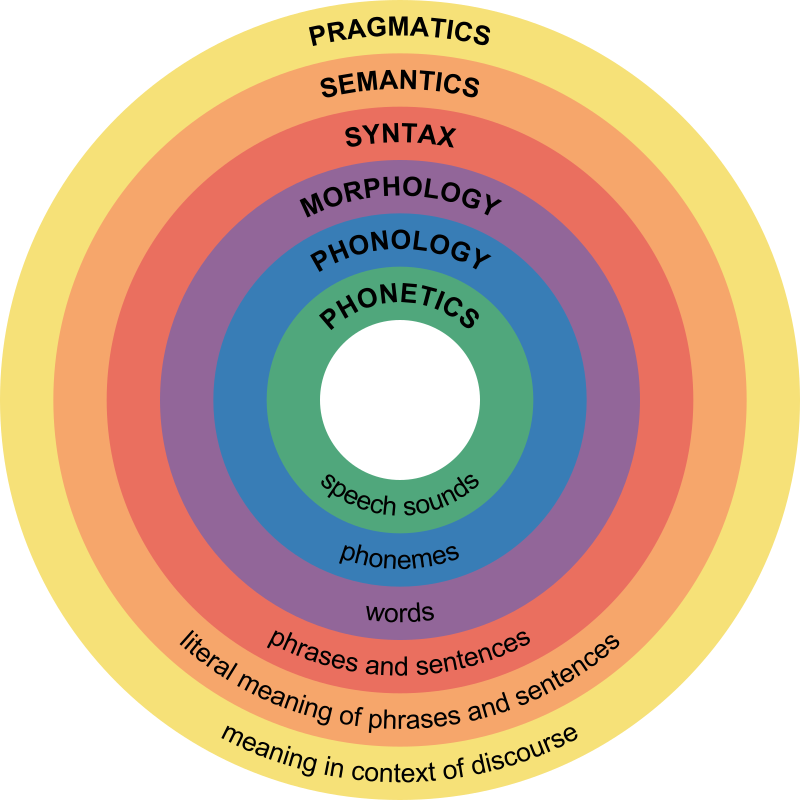
For linguistics, concepts are essential. Words are symbols that represent concepts. For communication to work, people must share a similar understanding of the concepts behind the words they use. The entire structure of language is built upon a shared conceptual framework.
Ultimately, concepts are the tools we use to think and communicate. They allow us to structure our experiences, share ideas, and build knowledge. Understanding what they are and how they work is the first step to understanding the mind itself.
Ready to check your understanding?
What is the best definition of a "concept" as described in the text?
According to the text, what is the primary benefit of using concepts for our thinking?
Having a clear grasp of concepts is the foundation for all learning.