Understanding Communal Rights
Communal Rights Defined
Rights for the Group
We often think of rights as personal possessions, like the right to free speech or the right to privacy. These are individual rights, belonging to each person. But some rights don't belong to an individual; they belong to a whole group, community, or people. These are called communal rights.
Communal rights are entitlements held collectively by a group. They exist to protect shared interests that are essential to the group's identity and survival. Think of things like language, cultural traditions, or ancestral lands. These can't be protected by one person's rights alone. They require a collective shield.
Individual vs. Communal
The main difference is the holder of the right. Individual rights are about personal freedom and autonomy. Communal rights are about the group's well-being and continuity. One person can exercise their right to vote, but a whole community must act together to preserve its native language.
This distinction is crucial because sometimes these two types of rights can be in tension. For now, let's focus on their distinct roles.
| Feature | Individual Rights | Communal Rights |
|---|---|---|
| Who Holds It? | A single person | A group or community |
| Purpose | Protects personal autonomy and freedom | Protects group identity and shared resources |
| Example | Right to a fair trial | Right to preserve a cultural heritage |
The Need for Collective Protection
Why are communal rights necessary? Because some groups, especially minority and indigenous populations, have unique needs and vulnerabilities that individual rights don't fully address. Their survival as a distinct group often depends on their shared connection to land, culture, and traditions. These elements form their collective identity, a shared sense of belonging and purpose.
Without rights to protect these shared assets, a group’s culture could be eroded, their language could disappear, and their connection to ancestral lands could be severed. Communal rights provide a legal and moral basis for preserving the very fabric of a community.
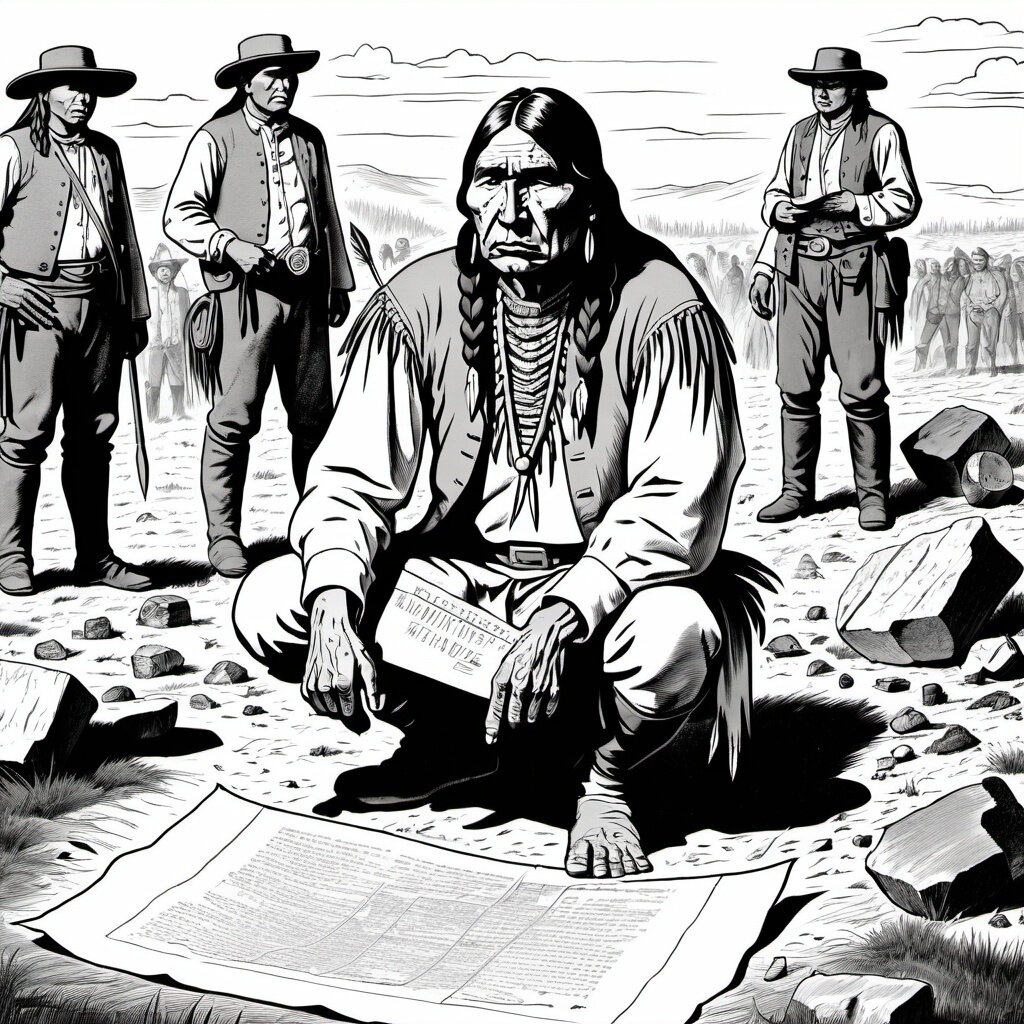
Here are a few core examples of communal rights in action.
Cultural Preservation: A community has the right to practice its traditions, speak its language, and pass its cultural knowledge to the next generation. This protects their unique way of life from being absorbed by a dominant culture.
This is a fundamental right that keeps traditions alive.
Indigenous Land Rights: Many indigenous groups have a deep spiritual and cultural connection to their ancestral lands. Communal land rights recognize this collective ownership and stewardship, protecting the territory from being sold off or exploited without the group's consent.
Another powerful concept is the right of a people to govern themselves.
Self-Determination: This is the right of a people to freely determine their political status and pursue their economic, social, and cultural development. The right of [{
}] allows a group to make its own decisions about its future.
Let's review these foundational concepts.
What is the primary purpose of communal rights?
The main difference between an individual right and a communal right is the ______ of the right.
Understanding communal rights is the first step. They are not just an abstract idea but a vital tool for ensuring that diverse cultures and communities can thrive.