Understanding Claude Code
Introduction to Large Language Models
What Are Large Language Models?
A Large Language Model, or LLM, is an AI program trained to understand and generate human-like text. Think of it as a very advanced autocomplete. It predicts the next word in a sequence based on the words that came before it. But because it has processed a massive amount of text, its predictions are sophisticated enough to write essays, answer complex questions, and even generate computer code.
At their core, LLMs are pattern-recognition machines. They learn the statistical relationships between words, phrases, and ideas from the vast ocean of text they are trained on.
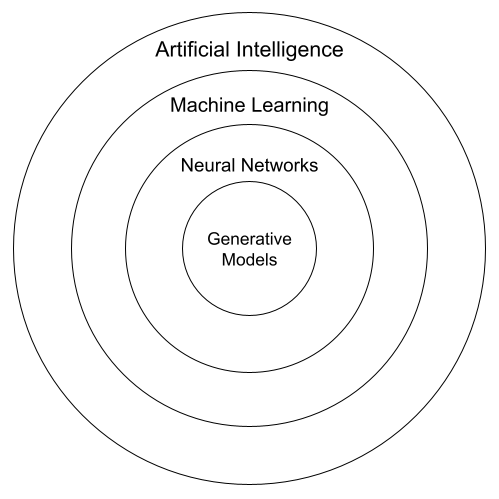
To do this, LLMs rely on a concept inspired by the human brain: the neural network.
neural network
noun
A computing system inspired by the biological neural networks that constitute animal brains. It consists of interconnected nodes, or 'neurons,' that process and transmit information.
A neural network is a series of algorithms that tries to recognize underlying relationships in a set of data. In the case of LLMs, the data is text. The network is made of layers of interconnected nodes, much like neurons in a brain. Each connection has a weight, or importance, which is adjusted during training. As the model processes text, it learns which connections are most important for making accurate predictions.
The Transformer Architecture
While neural networks are the foundation, the real breakthrough for modern LLMs was the development of a specific architecture called the Transformer, introduced in 2017. Before the Transformer, AI models struggled to keep track of context in long sentences or paragraphs.
The Transformer's key innovation is a mechanism called "attention." Attention allows the model to weigh the importance of different words in the input text when it's generating a response. For example, in the sentence, "The dog, which was chasing a squirrel, was tired," the model learns to pay more attention to "dog" when figuring out that the next word should relate to being tired, rather than getting distracted by the "squirrel."
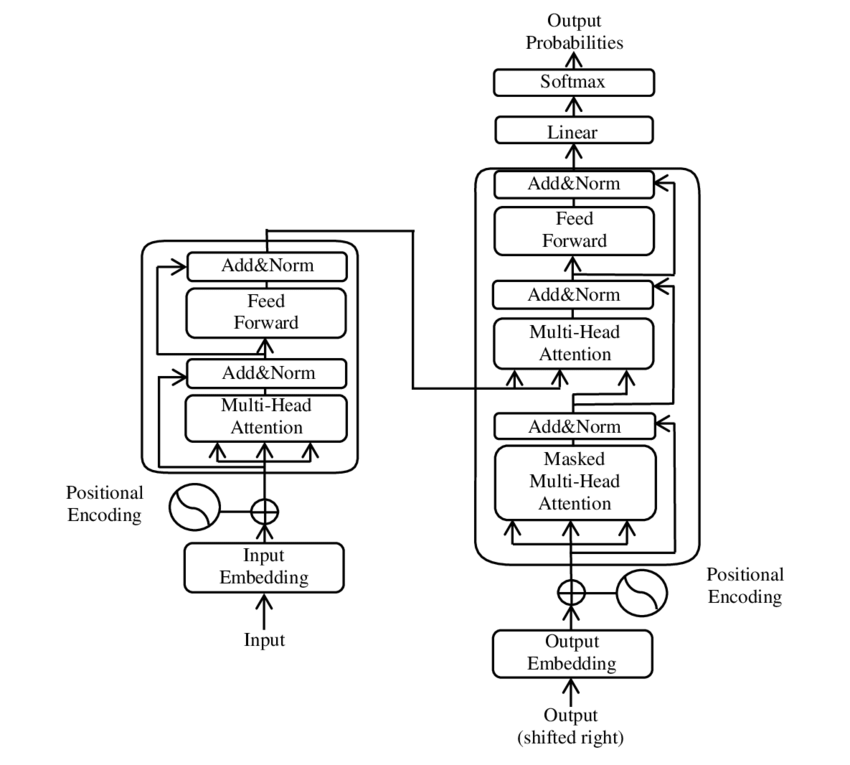
This ability to manage context allows Transformers to handle long, complex sequences of text, making them far more powerful and coherent than previous models.
How LLMs Learn
Training an LLM is a massive undertaking. It involves feeding the model enormous datasets of text and code, often scraped from the internet. This can include books, articles, websites, and open-source code repositories. The model processes this data, learning the patterns, grammar, syntax, and factual information contained within it.
The primary training method is simple: predict the next word. The model is given a sequence of words and tries to guess what comes next. It compares its guess to the actual next word in the text, and if it's wrong, it adjusts its internal parameters—the weights of its neural connections—to make a better prediction next time. This process is repeated billions or even trillions of times, gradually making the model more and more accurate.
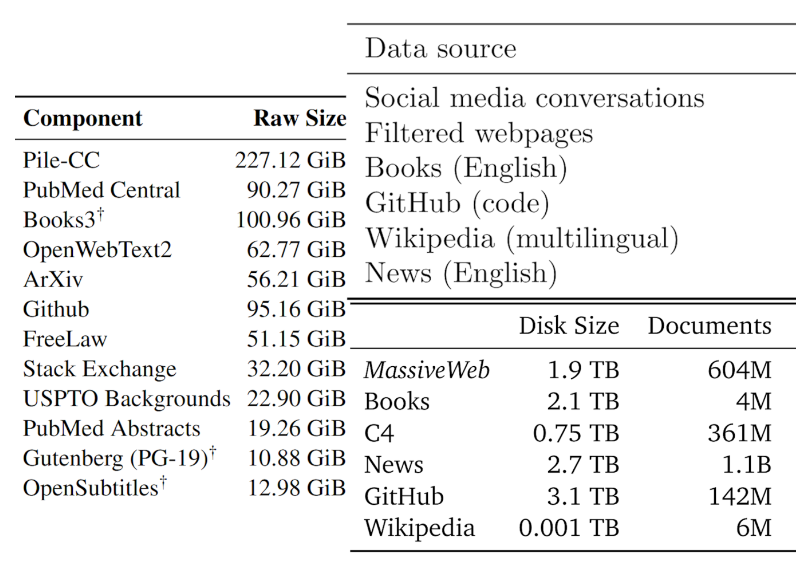
This process results in a model with billions of parameters, which collectively represent the learned patterns of language. Once this initial "pre-training" is complete, the model can be fine-tuned for specific tasks, like translation or customer service.
What Can LLMs Do?
Because of their deep understanding of language patterns, LLMs are incredibly versatile. They have a wide range of applications across many fields.
- Content Creation: Writing articles, emails, marketing copy, and even poetry.
- Summarization: Condensing long documents or articles into key points.
- Translation: Translating text between different languages.
- Question Answering: Acting as a conversational search engine to answer complex questions.
- Code Generation: Writing code in various programming languages based on a natural language description.
This flexibility has made LLMs one of the most transformative technologies in recent years, changing how we interact with information and create new content.
Now, let's test your understanding of these core concepts.
What is the fundamental task a Large Language Model is trained to perform during its initial pre-training phase?
The key innovation of the Transformer architecture, which was a major breakthrough for LLMs, is a mechanism called 'attention'.
With this foundation, you're ready to explore how these powerful models are applied to specific tasks, like generating computer code.