Understanding Cisgender Identity
Understanding Gender Identity
Your Inner Sense of Self
At its core, gender identity is your deep, internal feeling of being a man, a woman, both, neither, or somewhere else along the gender spectrum. It's about who you know yourself to be on the inside. This feeling is a core part of a person's identity, separate from the sex they were assigned at birth.
Gender Identity
noun
A person's internal, deeply held sense of their gender.
People often confuse gender identity with biological sex or gender expression, but they are distinct concepts. Understanding the difference is key to understanding gender itself.
Let's break these down:
-
Biological Sex refers to physical characteristics, like chromosomes, hormones, and reproductive organs. When a baby is born, they are typically assigned a sex—usually male or female—based on their external anatomy.
-
Gender Identity is that internal sense we talked about. It isn't visible to others and isn't determined by biology.
-
Gender Expression is how a person outwardly presents their gender. This can include their choice of clothing, hairstyle, pronouns, and behavior. A person's gender expression might not always align with societal expectations for their gender identity.
Beyond the Binary
For a long time, many Western cultures have viewed gender as a binary: man or woman. But this limited view doesn't reflect the full spectrum of human experience. Many people have a gender identity that doesn't fit neatly into those two boxes.
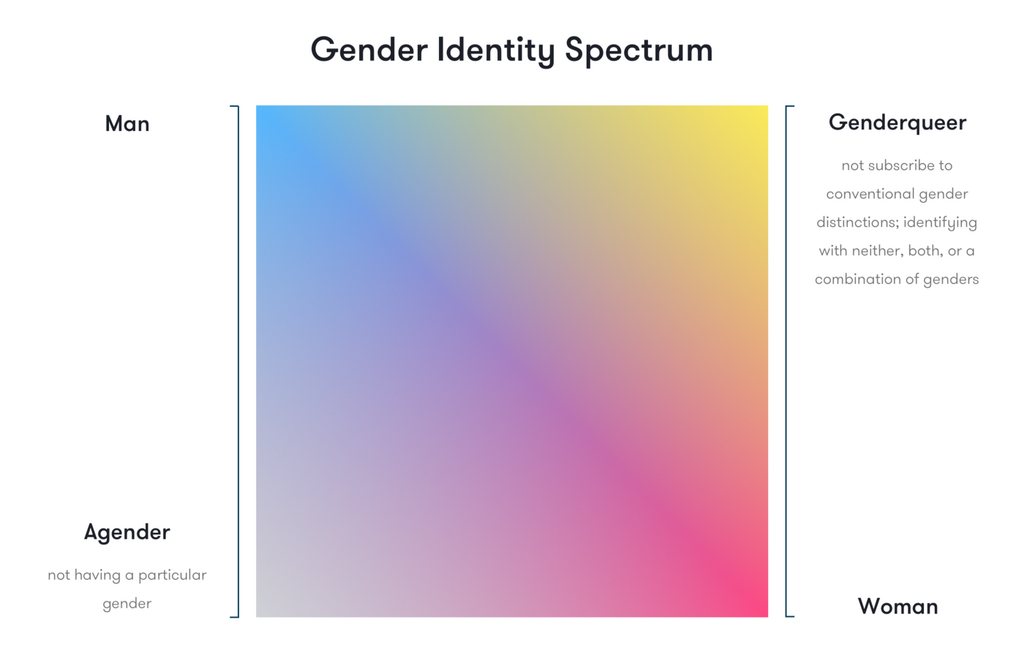
An umbrella term for these identities is nonbinary. A nonbinary person is someone whose gender identity is not exclusively man or woman. They might identify as having two or more genders, no gender at all, or a gender that fluctuates. The term itself is broad because the experiences it describes are incredibly diverse.
Nonbinary
adjective
An umbrella term for gender identities that are not solely male or female.
Another term you might hear is genderqueer. Like nonbinary, it can be an umbrella term for people who don't subscribe to conventional gender distinctions. For some, it is a specific identity that actively challenges ideas about gender. It signifies a rejection of the social constructs that define what it means to be a man or a woman.
It’s important to remember that gender identity is personal. The best way to know someone's gender is for them to tell you.
These concepts are just the beginning. Understanding that gender is a personal, internal experience—separate from biology and outward expression—is the first step toward appreciating the rich diversity of human identity.