Understanding Chronic Kidney Disease and CERPIS
Kidney Function
Your Body's Master Filters
Tucked away on either side of your spine, just below your rib cage, are two bean-shaped organs working tirelessly around the clock. These are your kidneys, and despite their small size, they perform some of the most critical jobs for keeping your body healthy.
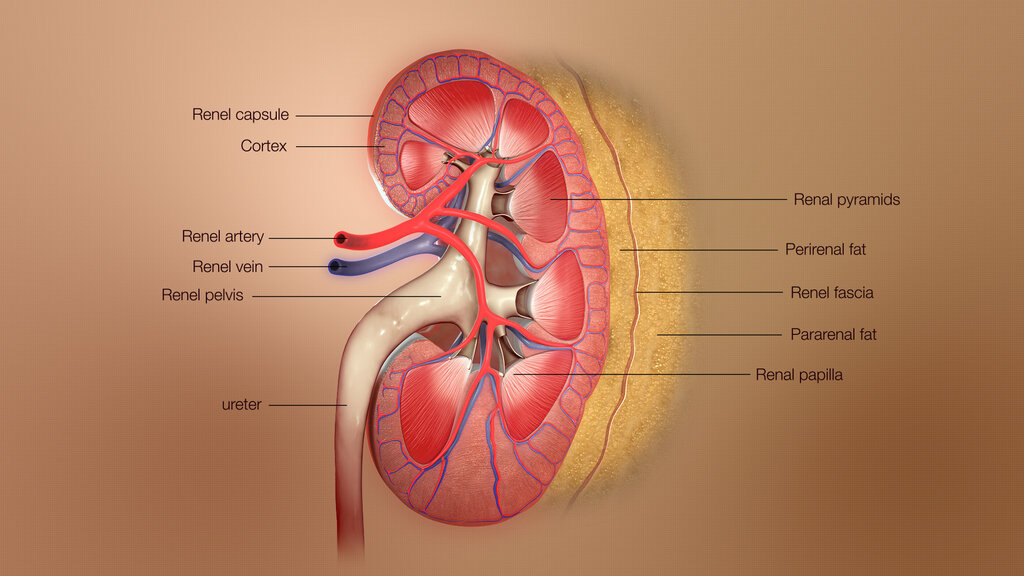
Each kidney is a sophisticated processing plant. It has an outer layer called the renal cortex and an inner region known as the renal medulla, which contains structures called renal pyramids. Blood flows into the kidney through the renal artery, gets processed, and the clean blood flows back out through the renal vein. The waste products are sent out of the body through the ureter as urine.
The Filtration Factory
The primary role of the kidneys is to filter waste from your blood. Think of them as a highly advanced purification system. Every day, they process a massive amount of blood to sift out metabolic wastes like urea and creatinine, along with excess salts and water.
One of their most important jobs is to filter waste materials from the blood and expel them from the body as urine.
This incredible filtration work happens inside millions of tiny structures within each kidney called nephrons. Each nephron contains a filter, called the glomerulus, and a tubule. The glomerulus lets fluid and waste products pass through it, but prevents blood cells and large molecules, like proteins, from leaving the bloodstream.
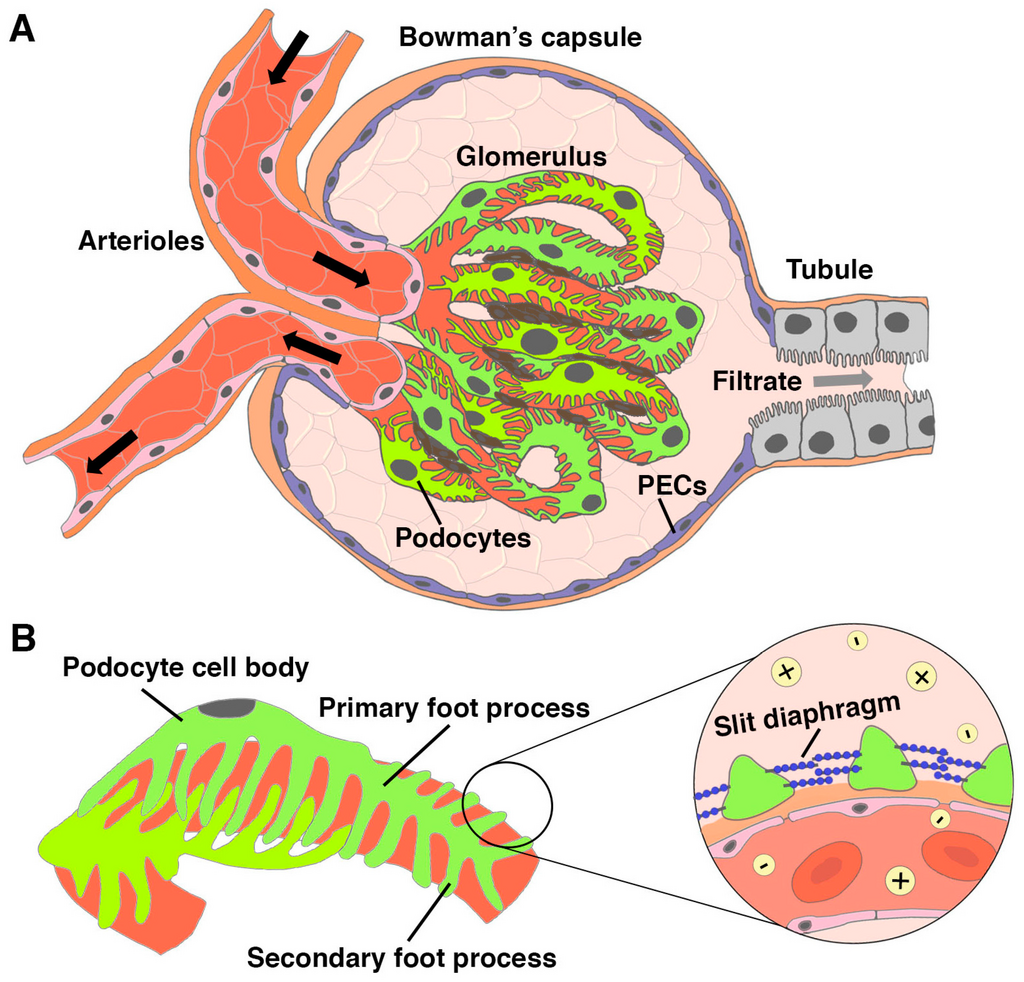
After the initial filtering, the fluid passes through the tubule. Here, a second, more precise process occurs. The tubule reabsorbs essential substances your body needs, like glucose and certain salts, and returns them to the blood. Whatever is left over—the waste and excess water—becomes urine.
Nephron
noun
The microscopic structural and functional unit of the kidney, responsible for filtering blood and forming urine.
A Delicate Balancing Act
Beyond just cleaning your blood, your kidneys are masters of balance. They precisely regulate the body's fluid levels. If you drink too much water, your kidneys will produce more dilute urine to expel the excess. If you're dehydrated, they'll conserve water, making your urine more concentrated.
This same balancing act applies to electrolytes—minerals in your blood like sodium, potassium, and calcium that carry an electric charge. Maintaining the right concentration of these electrolytes is vital for nerve function, muscle contraction, and maintaining a steady heartbeat. The kidneys carefully manage these levels, reabsorbing what's needed and excreting any surplus.
The Hormone Connection
The kidneys aren't just filters; they are also endocrine organs, meaning they produce and release hormones that have effects throughout the body. One of the most important is renin, which plays a central role in regulating blood pressure. When blood pressure drops, the kidneys release renin, setting off a chain of events that helps constrict blood vessels and retain sodium and water, raising blood pressure back to normal.
They also produce a hormone called erythropoietin, or EPO. This hormone travels to your bone marrow and stimulates the production of red blood cells, which are responsible for carrying oxygen throughout your body. Without enough EPO, you can develop anemia.
Finally, the kidneys activate Vitamin D, which is essential for absorbing calcium from your diet and maintaining strong, healthy bones. This function connects kidney health directly to skeletal health.
From filtering waste to managing blood pressure and producing hormones, the kidneys are vital for maintaining your body’s internal stability, a state known as homeostasis.
Now, let's test your understanding of these crucial organs.
What are the millions of tiny filtering units inside each kidney called?
The hormone renin, produced by the kidneys, plays a central role in which bodily function?
Understanding these core functions is the first step in appreciating the vital role your kidneys play in your overall health.