Understanding Cholesterol Your Body's Lipid Balance
Cholesterol Basics
What is Cholesterol?
You’ve probably heard cholesterol talked about in terms of health, but what is it, exactly? It’s a waxy, fat-like substance that’s found in every single cell of your body. Far from being just a villain, cholesterol is absolutely essential for your body to function correctly.
Cholesterol is a waxy material that exists in every cell of the body.
Think of it as a crucial building block. Without it, your body couldn't perform many of its vital daily tasks. So, while it's important to keep cholesterol levels in check, it's also important to understand its fundamental roles.
Where It Comes From
Your body gets cholesterol from two main sources.
The first, and primary, source is your own liver. This is called endogenous cholesterol. Your liver is a powerhouse, producing all the cholesterol your body needs to stay healthy. It's constantly working to make sure you have enough of this vital substance.
The second source is the food you eat. This is called exogenous cholesterol. It’s found in animal-based products like meat, poultry, and full-fat dairy. When you eat these foods, you're adding to the cholesterol your body already makes.
Your liver produces the majority of the cholesterol in your body. The rest comes from the food you eat.
Its Many Jobs
Cholesterol isn't just floating around aimlessly; it has several critical jobs to do.
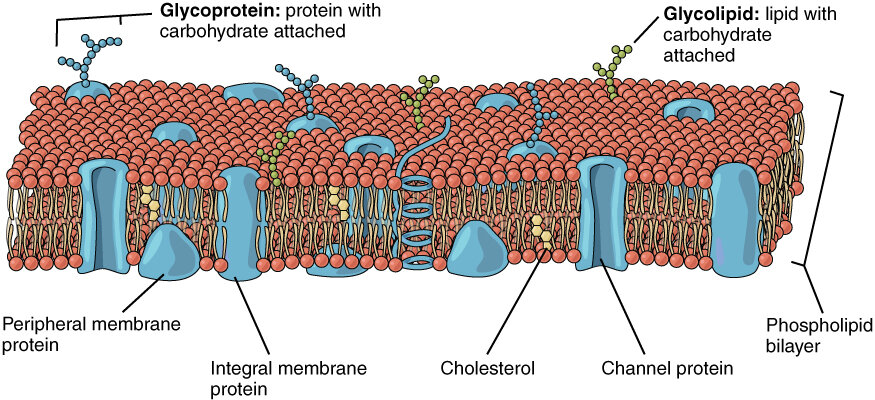
One of its main roles is in forming and maintaining cell membranes. Every cell in your body is wrapped in a protective layer, the cell membrane, which acts like a gatekeeper, controlling what enters and leaves the cell. Cholesterol helps keep these membranes firm, flexible, and functional.
It's also a key ingredient for making certain hormones. Steroid hormones like estrogen, testosterone, and cortisol are all synthesized from cholesterol. These hormones regulate everything from your metabolism and immune response to sexual development.
Finally, your body uses cholesterol to produce bile acids in the liver. These acids are essential for digestion, helping your body break down fats from the food you eat so they can be absorbed in the intestine.
Getting Around the Body
Cholesterol and other fats (lipids) don't mix well with water. Since your blood is mostly water, they need a special transport system to travel through your bloodstream.
This is where lipoproteins come in.
Lipoprotein
noun
A particle made of fat (lipid) and protein that carries cholesterol and triglycerides through the bloodstream.
Lipoproteins are like molecular taxis. They package cholesterol and other fats at their core, with a protein-and-fat shell on the outside. This structure allows them to move smoothly through the blood, delivering their fatty cargo to cells throughout the body. There are different types of these carriers, each with a specific job to do.
What are the two main sources of cholesterol for the human body?
Cholesterol produced within the body, primarily by the liver, is known as ______ cholesterol.
Understanding these basics helps demystify cholesterol, showing it as a vital component of a healthy body rather than just a number to worry about.