Understanding ChatGPT's Engine
Introduction to Large Language Models
What Are Large Language Models?
At its core, a large language model (LLM) is an AI program trained to understand and generate human language. Think of it as an extremely advanced autocomplete. It predicts the next most likely word in a sentence based on the words that came before it, but on a massive scale. To do this, it's trained on a colossal amount of text data from the internet, books, and other sources.
This training allows it to learn the patterns, grammar, context, and nuances of language. The 'large' in the name refers to two things: the enormous size of the dataset it learns from and the huge number of parameters, or internal variables, the model uses to make its predictions. These models aren't just memorizing text; they are building a complex internal representation of how language works.
Parameter
noun
In the context of AI models, a parameter is a variable that the model learns from training data. It's a setting that helps the model make decisions, like how much importance to give one word when predicting the next. A model with billions of parameters has a more nuanced understanding of language.
From Simple Rules to Complex Reasoning
Language models aren't new. Early versions, dating back decades, were based on statistical methods and strict grammatical rules. They could perform simple tasks but lacked the flexibility to understand context or generate creative text. They often produced clunky and unnatural-sounding sentences.
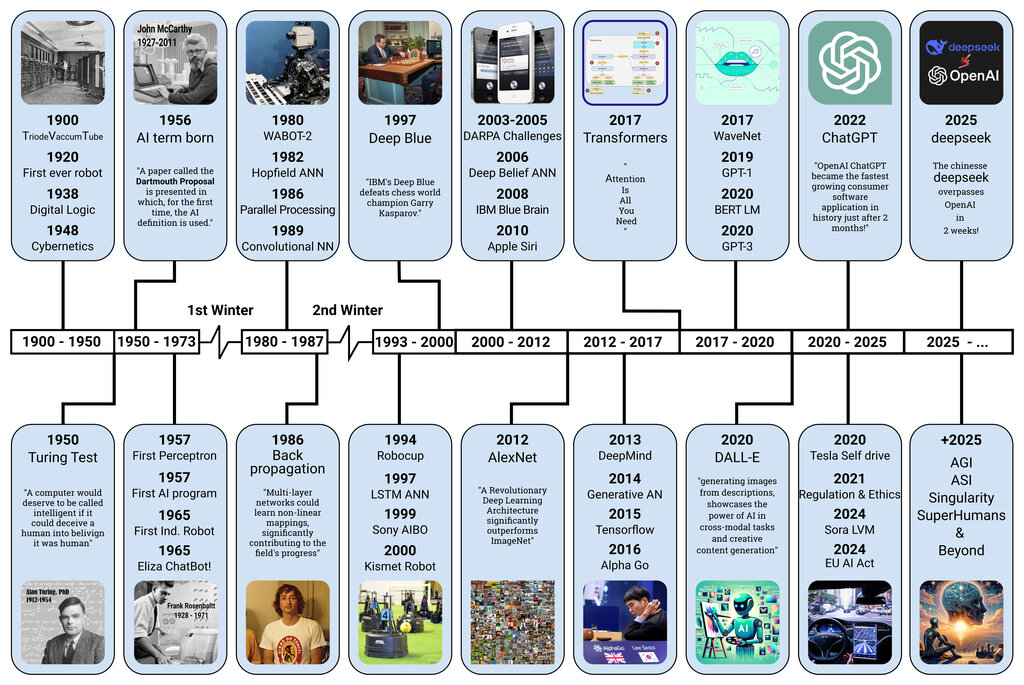
The major breakthrough came with the development of a new architecture called the Transformer in 2017. This design allowed models to weigh the importance of different words in a sentence, no matter how far apart they were. This ability to handle long-range dependencies was a game-changer. It paved the way for models to become much larger and more capable, leading directly to the powerful LLMs we see today.
More Than Just Chat
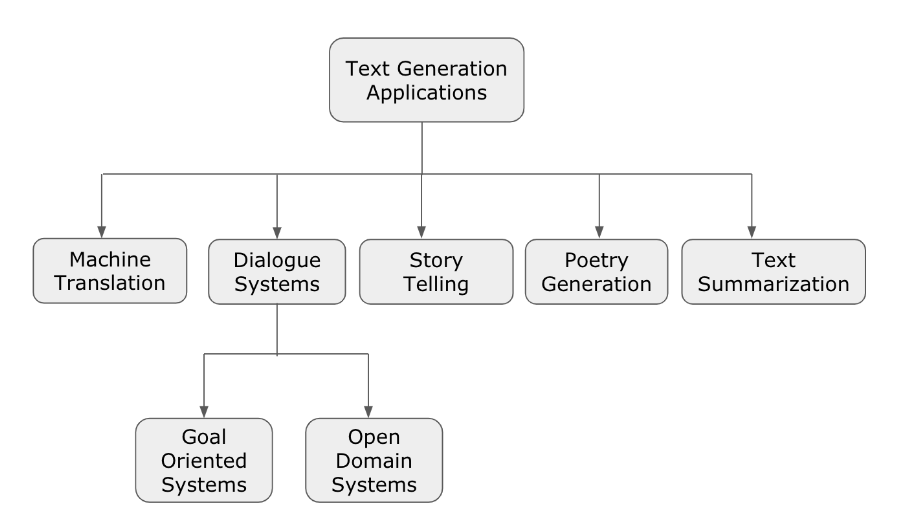
While chatbots are the most visible application, LLMs are versatile tools used across many fields. Their ability to process and generate text makes them useful for a wide range of tasks.
For example, they can summarize long documents, translate languages, write computer code, answer complex questions, and even help with creative writing. In medicine, they assist researchers by analyzing vast quantities of medical literature. In finance, they analyze market sentiment from news reports.
One of the most well-known examples is ChatGPT, developed by OpenAI. It showcases the conversational power of a large-scale LLM. When you ask it a question, it doesn't just search a database for a pre-written answer. Instead, it generates a new response, word by word, based on its understanding of the prompt and the vast patterns it learned during training.
This generative ability is what makes modern LLMs so powerful and adaptable. They are not just information retrieval systems; they are tools for creation and problem-solving.
Now, let's test your understanding of these core concepts.
At its most fundamental level, what is a large language model (LLM) doing when it generates text?
The 'large' in Large Language Model refers to two key aspects. What are they?