Understanding Character Traits
Introduction to Character Traits
What Are Character Traits?
When we describe someone, we often reach for a set of labels. We might call a friend “adventurous” or a coworker “meticulous.” These labels are character traits. They are the consistent patterns of thought, feeling, and behavior that make each of us unique. Think of them as the core ingredients of a personality. While everyone might have access to the same ingredients like kindness, curiosity, or bravery, the specific combination and amount of each one is what makes a person who they are.
Character traits aren't just fleeting moods; they are the stable, enduring qualities that show up again and again in a person's actions.
These patterns are useful because they help us understand and even predict how someone might behave. If a person has the trait of honesty, you expect them to tell the truth, not just today, but in general. This predictability is fundamental to how we build relationships and make sense of the social world.
Traits in Stories and in Life
In literature, character traits are the engine of the story. A character's bravery drives them to face the dragon, while their impatience might lead them to make a crucial mistake. Writers carefully select traits to create believable characters who act in consistent ways. This allows readers to connect with them, root for them, and understand their choices. A hero without courage or a villain without a streak of cruelty wouldn't be very convincing.
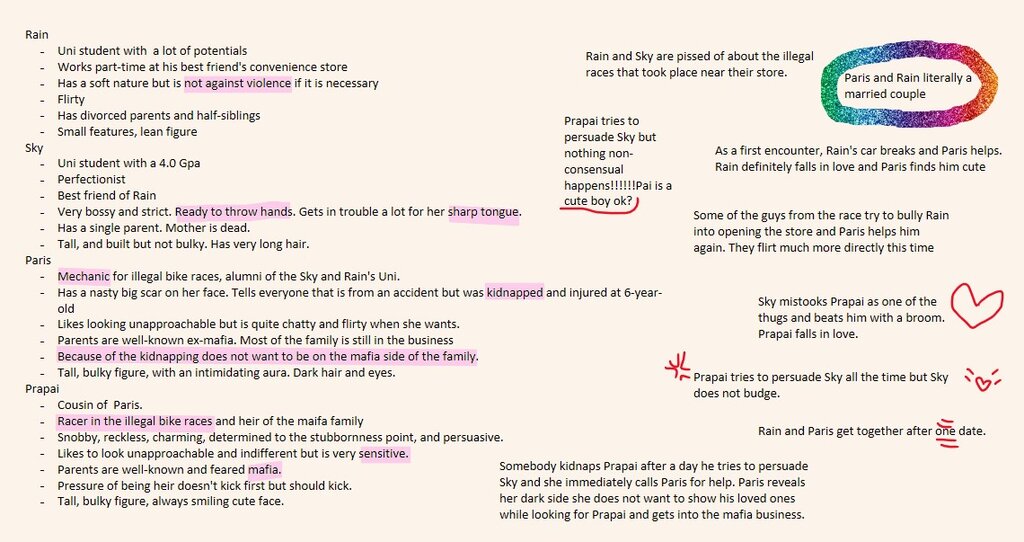
Psychology uses traits in a similar way, but for understanding real people instead of fictional ones. Psychologists study traits to understand personality structures and to create profiles that can help predict life outcomes, job satisfaction, and even mental health. By identifying core traits, a psychologist can get a clearer picture of a person's inner world and how they navigate their environment. These profiles aren't about judging people, but about understanding the underlying patterns that guide their lives.
Traits vs. Moods
It's important to distinguish traits from other parts of our personality, like moods or habits. A mood is a temporary emotional state. You might feel angry for an hour after a bad phone call, but that doesn't mean you have an “angry” personality trait. A trait, like being generally quick-tempered, is a long-term tendency to feel and express anger more readily than others across many situations.
| Component | Duration | Description |
|---|---|---|
| Trait | Long-term | A stable, consistent pattern of behavior (e.g., optimistic) |
| Mood | Short-term | A temporary emotional state (e.g., feeling happy today) |
| Habit | Specific Action | An automatic, repeated behavior (e.g., making the bed every morning) |
Similarly, a habit is a specific, automatic behavior, like brushing your teeth before bed. It doesn't necessarily reflect a broad personality trait. However, having many habits related to organization and cleanliness might point to the underlying trait of conscientiousness. Traits are the broader tendencies that give rise to our more specific behaviors and emotional responses.
Now let's check your understanding of these core concepts.
Which of the following best defines a character trait?
Sarah felt anxious all morning before giving a big presentation, but was relaxed by the evening. Sarah's morning anxiety is best described as a...