Understanding Chantereves Wine Producer
Role of a Wine Producer
The Wine Producer's Craft
A wine producer is the architect of a wine, guiding it from a cluster of grapes on the vine to the finished liquid in a bottle. Their role blends agriculture, science, and art. They oversee every critical stage: managing the vineyard, selecting the grapes, supervising fermentation, guiding the aging process, and finally, bottling the wine. Each decision made along the way shapes the final character, flavor, and quality of the product.
From Vine to Harvest
Winemaking begins long before grapes enter the winery. It starts in the vineyard. A producer's year is spent tending to the vines through crucial management decisions. This includes how to prune the vines in winter to control the next season's yield, managing the canopy of leaves to ensure grapes get the right amount of sunlight, and deciding how to protect the crop from pests and diseases.
These choices directly influence the health and quality of the grapes. A well-managed vineyard produces grapes with concentrated flavors and balanced sugar and acidity, setting the stage for a great wine.
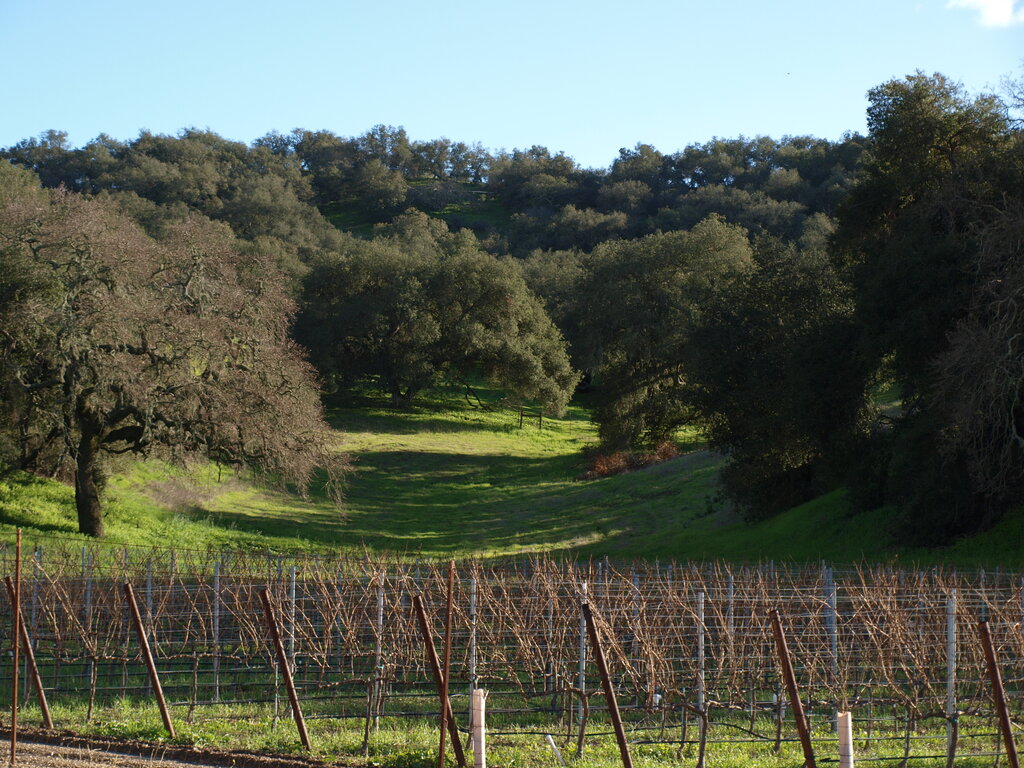
One of the most critical decisions a producer makes is when to harvest. This single choice can define the style of the wine. Picking earlier results in lower alcohol and higher acidity, while waiting longer builds sugar, deepens flavor, and softens acidity. Producers monitor the grapes daily, measuring sugar levels (Brix), pH, and acidity. More importantly, they walk the vineyard, tasting the fruit to determine when the flavors have reached their peak.
Grapes are typically harvested when they reach desired fruit quality parameters (e.g., sugar content, pH, flavor, color) which vary depending on the wine type or style the winemaker aims to produce.
Inside the Winery
Once the grapes arrive at the winery, a new phase of decision-making begins. The fruit is typically sorted and then crushed to release its juice. This juice, or "must," is then ready for fermentation.
Fermentation is the magical process where yeast consumes the sugar in the grape juice and converts it into alcohol and carbon dioxide. The producer must choose what kind of vessel to ferment in. Stainless steel tanks create clean, fruit-forward wines. Fermenting in oak barrels can add flavors of spice and vanilla, as well as a richer texture.
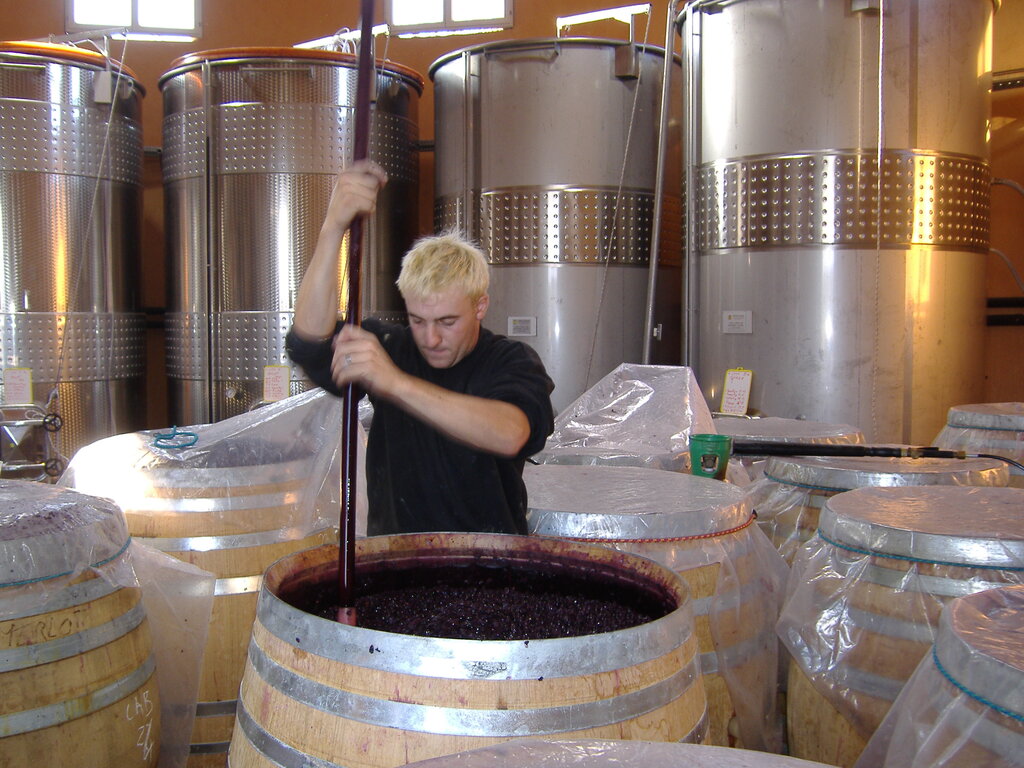
Following fermentation, the wine enters a period of aging or maturation. This can last anywhere from a few months to several years. The goal is to allow the wine's flavors to soften, harmonize, and develop greater complexity. Again, the choice of vessel is key. Aging in new oak barrels imparts strong flavor and tannins, while neutral, older barrels or large tanks allow the wine to evolve without adding oak characteristics.
During this time, the producer might perform actions like racking—moving the wine from one barrel to another to separate it from sediment—or blending wine from different barrels or vineyard plots to achieve the perfect balance.
The final step is bottling. The producer decides if the wine should be filtered or fined to clarify it, or if it should be bottled with its natural texture intact. This last decision preserves the wine's journey from the vineyard, ready for someone to enjoy.