Understanding Capitalist Realism
Introduction to Capitalist Realism
The Air We Breathe
Have you ever tried to imagine a world without money, markets, or private companies? It’s difficult. You might picture a post-apocalyptic wasteland or a distant sci-fi utopia, but imagining a functioning, different now is a real mental challenge. This feeling, this subtle sense that capitalism is the only realistic way to organize society, has a name: capitalist realism.
The term was popularized by the British writer and theorist Mark Fisher. He described it as "the widespread sense that not only is capitalism the only viable political and economic system, but also that it is now impossible even to imagine a coherent alternative to it." It's like a pervasive atmosphere that colors all of our thinking, often without us even noticing.
Capitalist realism is the idea that it's easier to imagine the end of the world than the end of capitalism.
This isn't a conspiracy. It’s not about a secret group enforcing a particular viewpoint. Instead, it's a belief system that has become so embedded in our culture that it feels like common sense. It shapes our entertainment, our politics, and even our personal sense of self.
Culture and Politics
Think about dystopian movies. In films like Blade Runner or The Hunger Games, the world has been ravaged by environmental collapse or totalitarian rule, but powerful corporations and market dynamics still exist. The heroes fight against a cruel dictator or a specific evil company, but they rarely challenge the underlying economic system itself. The assumption is that even after the apocalypse, some form of capitalism will remain.
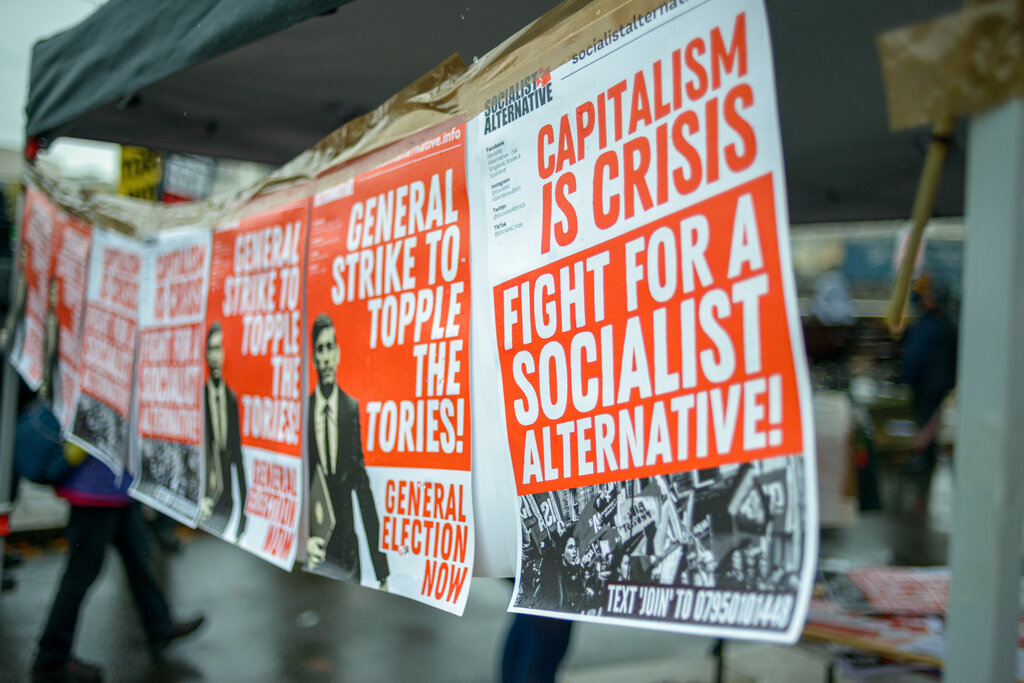
This mindset also limits our political imagination. When politicians talk about solving major problems like climate change or inequality, the proposed solutions almost always work within the framework of the market. We hear about carbon taxes, green consumerism, and public-private partnerships. The idea of fundamentally restructuring the economy is often dismissed as unrealistic or utopian. This reflects the old slogan of Margaret Thatcher: "There Is No Alternative."
The Individual Experience
Capitalist realism also affects us on a personal level. It tells us that we are solely responsible for our own success or failure. If you're struggling financially, it's framed as a personal failing, not a potential issue with the system. This can lead to widespread anxiety and stress, as people feel immense pressure to compete and constantly improve themselves, like a product to be marketed.
The imperative to build a "personal brand" on social media is a perfect example. We are encouraged to see ourselves as entrepreneurs of our own lives, curating an image to attract opportunities. Under capitalist realism, every aspect of life, from hobbies to relationships, can be viewed through the lens of investment and return.
Recognizing this ideology is the first step toward thinking beyond it. By seeing the water we're swimming in, we can start to question whether the horizon is really as limited as it appears.
What is the core idea of "capitalist realism" as described by Mark Fisher?
According to the text, how does capitalist realism typically influence political solutions for major problems like climate change?