Understanding Brutalist Architecture
Introduction to Brutalism
The Truth in Concrete
Of all the major architectural styles, Brutalism is probably the most divisive. Its buildings are often described as cold, imposing, and even ugly. But this style, which flourished from the 1950s to the mid-1970s, was built on a foundation of honesty and social purpose, not a desire to be intimidating.
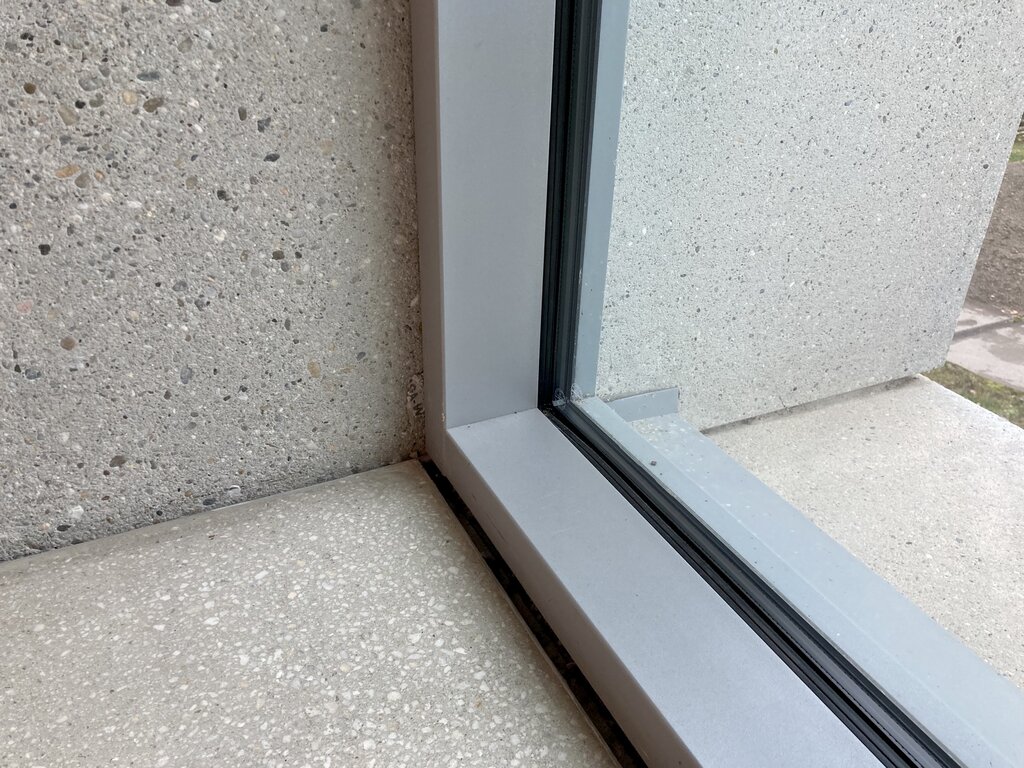
Exposed concrete, left rough and unfinished, would become the defining trait of brutalism.
The name itself is a bit of a misnomer. "Brutalism" doesn't come from the English word "brutal." It originates from the French term béton brut, which literally means "raw concrete." This was a favorite material of the pioneering modernist architect Le Corbusier, who left the board-marks from wooden forms visible on his concrete surfaces. This raw, unfinished look became the style's signature.
A Philosophy of Honesty
At its heart, Brutalism is about revealing, not concealing. Architects wanted to show a building's function and structure honestly. Instead of hiding steel beams behind plaster or covering concrete in paint, they left these materials exposed. This was a direct reaction against the decorative, often frivolous styles that came before.
Brutalism wasn't just a style; it was an ethical stance. It championed the idea that a building should be true to its materials, purpose, and construction.
This philosophy emerged in the post-World War II era. Cities across Europe needed to be rebuilt quickly and affordably. Raw concrete was an inexpensive and practical material for constructing the new public buildings that society needed: universities, government centers, libraries, and social housing projects. There was a sense of social utopianism baked into the movement; these were meant to be honest buildings for a new, more egalitarian society.
Most brutalist buildings were built for the public good – libraries, theatres, churches, schools, social housing – compared to the privately funded buildings of today, where it’s about profit, and access to the public is limited.
Descending from the broader Modernist movement, which prioritized function over ornamentation, Brutalism took these ideas a step further. It wasn't enough for a building to be functional; it had to look functional. Every visible element was meant to have a clear purpose, creating a sense of raw, undeniable presence.
The term "Brutalism" originates from which of the following?
What was a primary philosophical goal of Brutalist architects?