Understanding Bra Sizes and Fit
Breast Anatomy
The Makeup of a Breast
To find a bra that fits well, it helps to know what you're working with. Breasts are complex structures, but for fitting purposes, we can focus on a few key components.
First, breast tissue itself is primarily composed of two types: glandular tissue and fatty tissue. Glandular tissue includes the lobules and milk ducts, which are responsible for milk production. The rest is mostly fatty tissue, which gives breasts their size and soft consistency. The ratio of fat to glandular tissue varies a lot from person to person, which is why breasts can have such different densities and shapes.
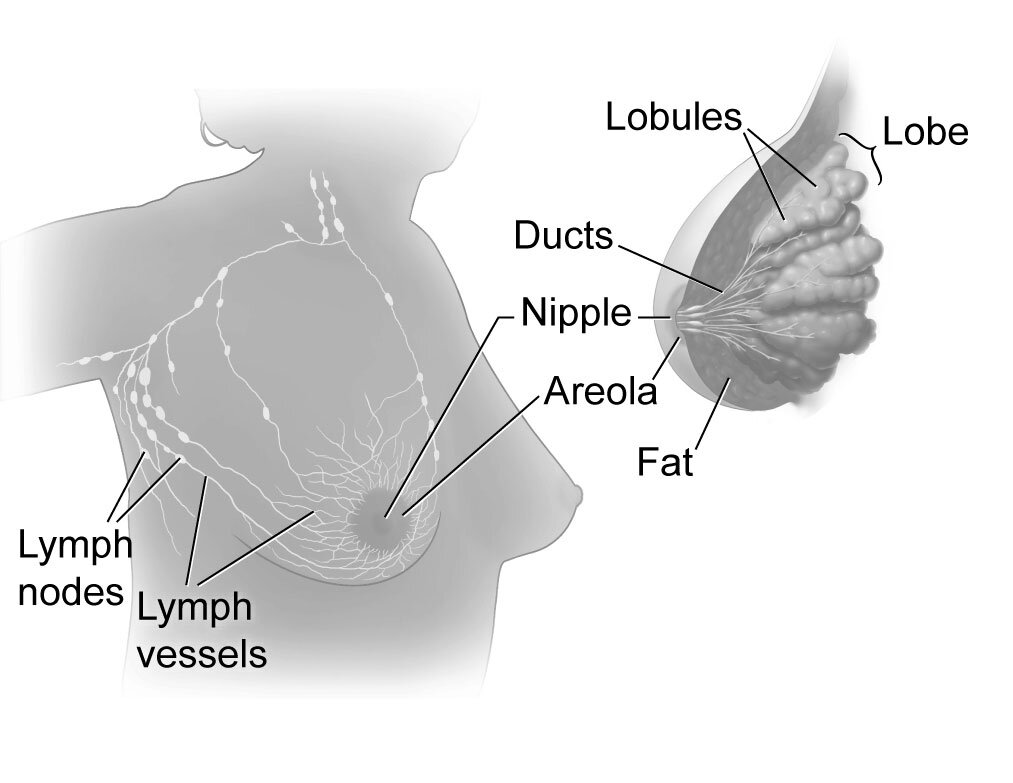
A network of connective tissue called suspensory ligaments, or Cooper's ligaments, runs throughout the breast, attaching to the skin and underlying tissues. Think of them as a natural support system. Over time, factors like age and gravity can cause these ligaments to stretch.
The Foundation Below
It's a common misconception that breasts contain muscle. They don't. Instead, they lie directly on top of the pectoral muscles, which cover the upper part of your chest.
The main muscle here is the pectoralis major. This large, fan-shaped muscle connects your chest to your upper arm and shoulder bones. While exercises that strengthen your pectoral muscles can lift the chest area slightly, they won't change the size or shape of your breast tissue itself.
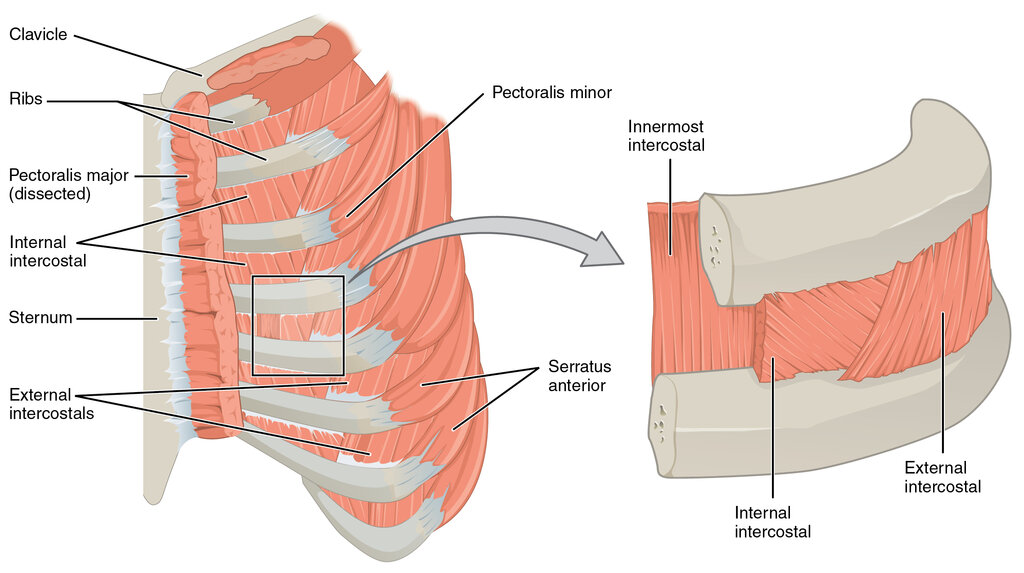
Understanding this distinction is key. A bra's job is to support the breast tissue, which lacks its own muscular structure. The support comes from the bra's band and cups, not from any muscles within the breast.
The Inframammary Fold
One of the most critical landmarks for a great bra fit is the inframammary fold, often called the IMF. This is simply the natural crease where the bottom of your breast meets your chest wall. It's the line that defines the base of the breast.
Inframammary Fold
noun
The natural crease underneath the breast where it attaches to the chest wall.
The entire underwire of a bra should sit snugly and precisely in this fold, from the center of your chest to your armpit. If the wire is sitting on top of your breast tissue or sliding down onto your ribs, the fit is incorrect. The IMF is the anchor point for proper support.
Let's check your understanding of these anatomical points.
What are the two primary types of tissue that make up the breast?
True or false: Breasts are made of muscle, which is why chest exercises can change their size and shape.
With a clear picture of this basic anatomy, you're better equipped to understand why certain bras fit the way they do.