Understanding Blood Analysis Terms
Blood Components
The Components of Blood
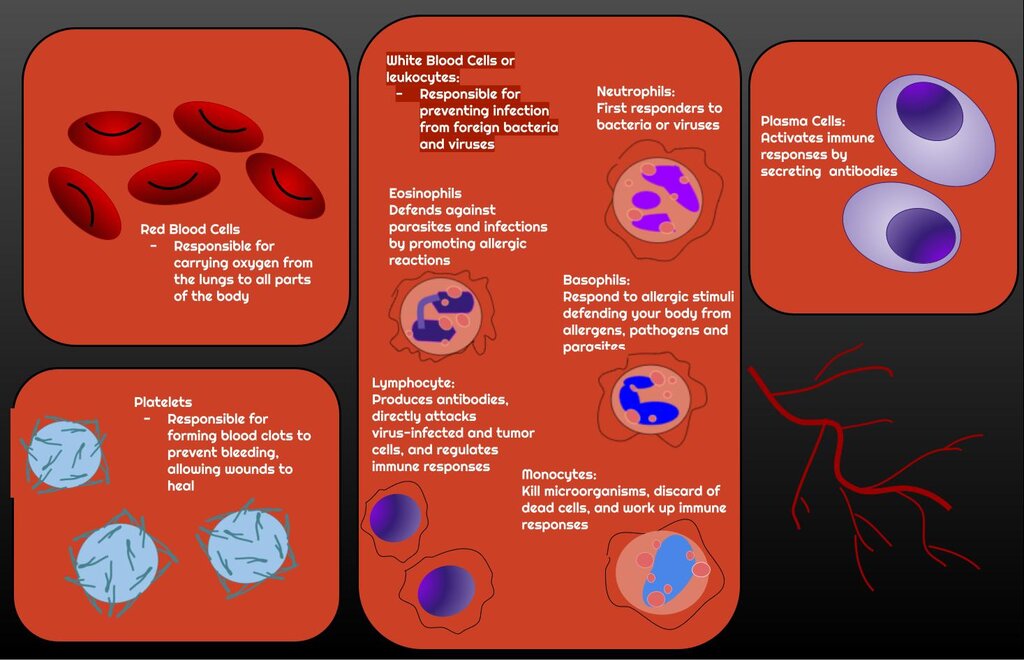
If you've ever had a cut, you're familiar with blood. But this vital fluid is much more than just a red liquid. It’s a complex, living tissue that acts as your body's transportation system, delivering oxygen and nutrients while carrying away waste. A single drop of blood contains millions of cells, each with a specific job. Let's break down its four main components: plasma, red blood cells, white blood cells, and platelets.
Plasma: The River of Life
Imagine a bustling river carrying all sorts of important cargo. That's essentially what plasma does. It's the yellowish, liquid portion of blood that makes up about 55% of its total volume. Plasma itself is about 92% water.
The other 8% is a busy mixture of vital substances. It contains proteins that help with blood clotting (like fibrinogen) and maintaining fluid balance (like albumin). It also transports hormones that act as messengers between different parts of your body, nutrients from the food you eat, and waste products on their way to be filtered out.
Without plasma, your blood cells would have no way to travel through your veins and arteries.
The Oxygen Crew
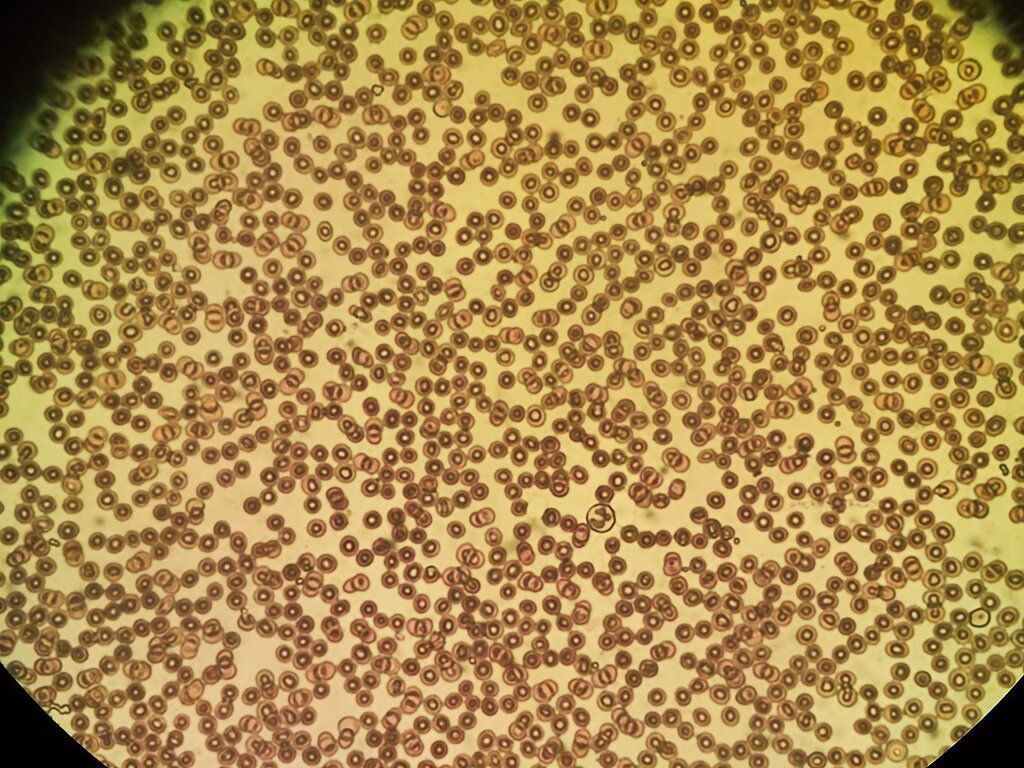
Floating within the plasma are the red blood cells, or erythrocytes. These are the most numerous cells in your blood and are responsible for its distinctive red color. Their primary mission is to transport oxygen from your lungs to every other cell in your body.
Erythrocyte
noun
A cell that contains hemoglobin and can carry oxygen to the body. Also called a red blood cell (RBC).
Red blood cells achieve this feat using a special protein called hemoglobin, which binds to oxygen molecules. They have a unique shape, like a flattened disc that's indented in the center. This biconcave shape increases the cell's surface area, allowing oxygen to be absorbed and released more efficiently. To maximize space for hemoglobin, mature red blood cells don't have a nucleus.
Immune System Soldiers
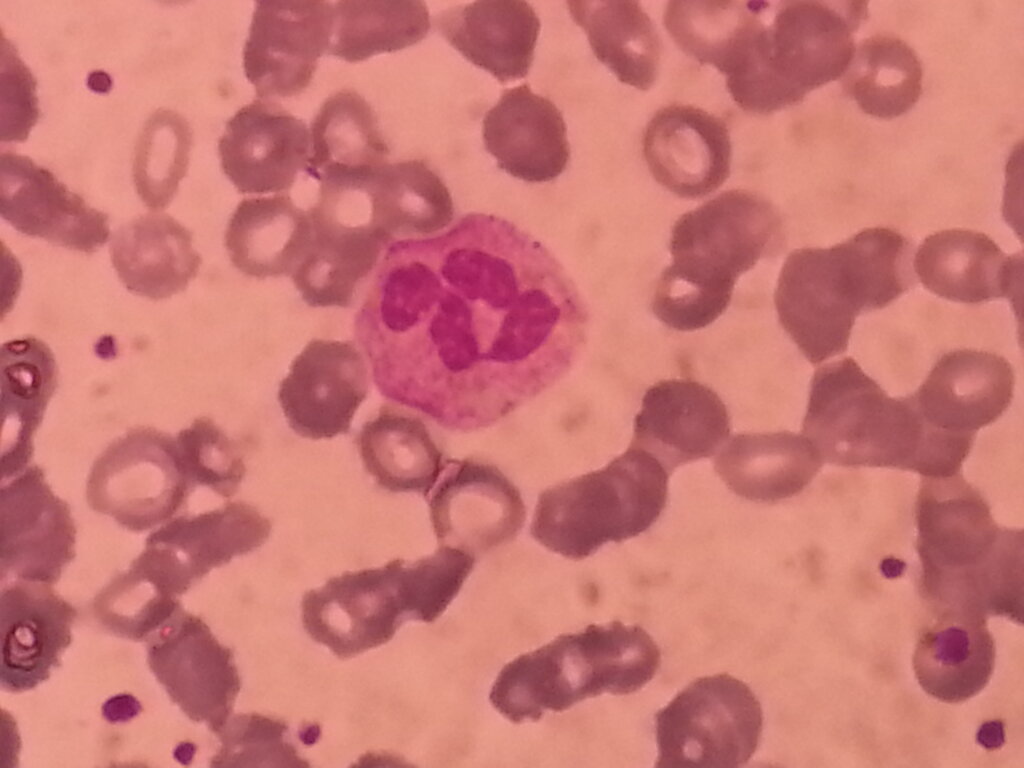
White blood cells, or leukocytes, are the body's defenders. Though they make up a much smaller portion of your blood than red blood cells—less than 1%—their role is critical. They are the soldiers of your immune system, constantly on the lookout for invading bacteria, viruses, and other foreign materials.
There are several types of leukocytes, each with a specialized role. For instance, neutrophils are like the first responders, quickly arriving at the site of an infection to engulf and destroy pathogens. Lymphocytes, on the other hand, are responsible for producing antibodies and creating a "memory" of past infections to protect you in the future.
Leukocyte
noun
A type of blood cell that is made in the bone marrow and found in the blood and lymph tissue. Leukocytes are part of the body's immune system.
Unlike red blood cells, white blood cells have a nucleus and can move independently, allowing them to squeeze out of blood vessels and travel to areas of infection.
The First Responders
The final cellular components are platelets, also known as thrombocytes. These are not whole cells but rather small, irregular-shaped fragments of large cells made in the bone marrow. Platelets are your body's first line of defense against bleeding.
When a blood vessel is damaged, platelets rush to the scene. They stick to the walls of the injured vessel and clump together, forming a temporary plug. This process, called coagulation, is the first step in forming a blood clot to stop the bleeding and allow the wound to heal.
Ready to check your understanding of these vital components?
What is the most abundant component of human blood by volume?
The primary mission of erythrocytes, or red blood cells, is to transport ______.
Together, these four components work in harmony to keep your body running smoothly. Each plays a distinct and essential role in the complex fluid we call blood.