Understanding Benign Prostatic Hyperplasia
Prostate Anatomy
The Prostate's Place
The prostate is a small gland that's part of the male reproductive system. It's roughly the size and shape of a walnut and sits deep inside the pelvis, just below the bladder and in front of the rectum. Because of its location, you can't see or feel it from the outside.
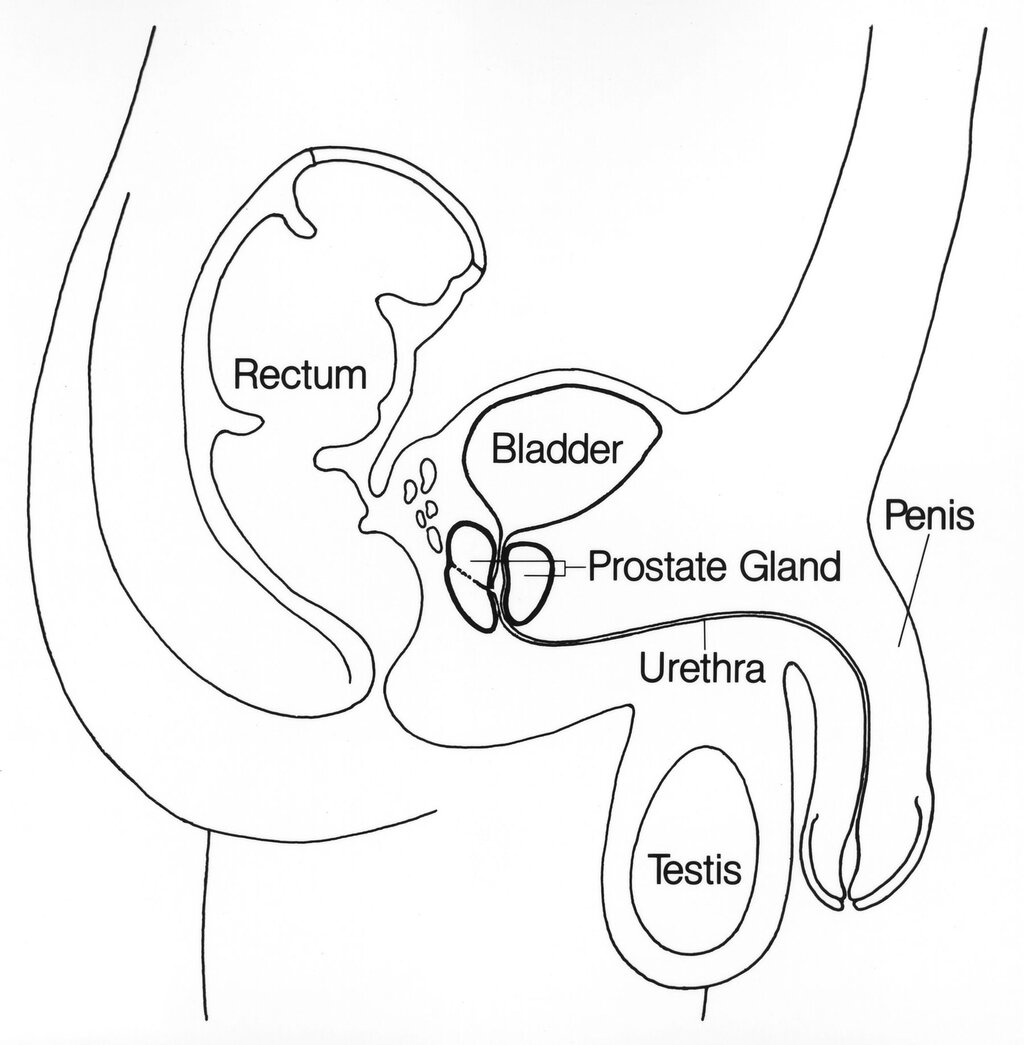
A key detail is that the urethra, the tube that carries urine from the bladder out of the body, passes directly through the center of the prostate. This close relationship is why prostate problems often lead to urinary symptoms. If the gland swells, it can squeeze the urethra and interfere with the flow of urine.
Structure and Function
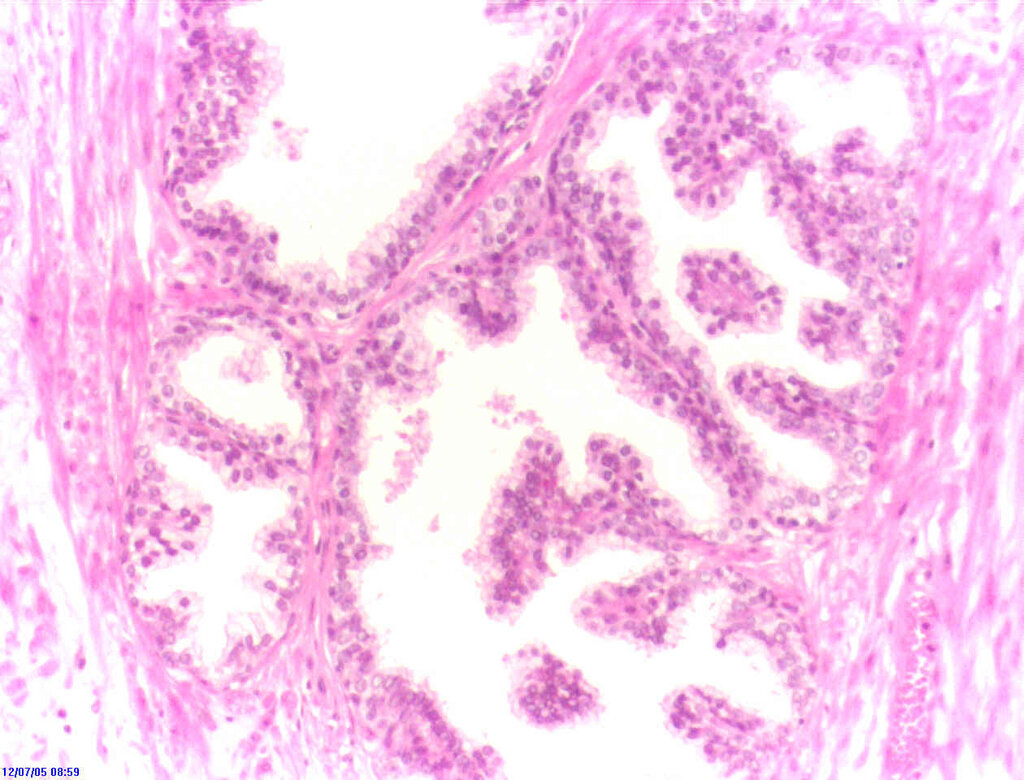
The prostate isn't just a single mass. It's made up of glandular tissue, which produces fluid, and muscle tissue, which helps push that fluid out during ejaculation. The whole gland is surrounded by a fibrous capsule.
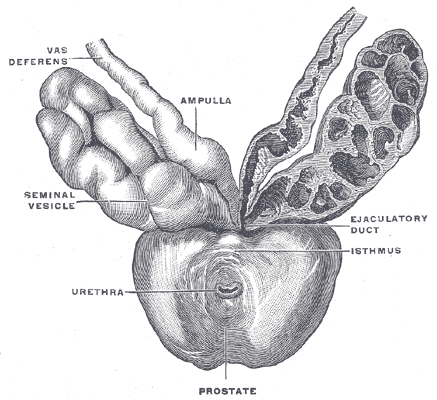
Internally, the prostate is often described as having different zones. While a detailed anatomical breakdown is complex, it's helpful to know that different prostate conditions tend to arise in different areas. For example, benign prostatic hyperplasia (BPH), or an enlarged prostate, most often develops in the central part of the gland that surrounds the urethra. In contrast, most prostate cancers begin in the outer region.
semen
noun
The fluid containing sperm that is ejaculated from the penis.
So, what does the prostate actually do? Its main job is to produce a milky, slightly acidic fluid that makes up a significant portion of semen. This prostatic fluid is vital for reproduction. It nourishes and protects sperm, and its liquid consistency helps sperm travel more easily after ejaculation. During orgasm, the muscular part of the prostate contracts, squeezing this fluid into the urethra where it mixes with sperm from the testes and fluids from other glands to form semen.
Think of the prostate as a vital support station for sperm. It provides the fluid vehicle they need to complete their journey.
Key Glandular Functions
The prostate's function is controlled by hormones, particularly testosterone. The fluid it secretes contains several important substances, including enzymes, lipids, and citric acid.
One of the most notable enzymes is Prostate-Specific Antigen, or PSA. PSA is a protein that helps liquefy semen after ejaculation, which allows sperm to swim more freely. Doctors often measure the level of PSA in the blood as a screening tool for prostate problems, including cancer, because elevated levels can indicate an issue with the gland.
While its primary role is reproductive, the prostate's strategic location means its health is closely linked to urinary function. It sits at a crossroads between the reproductive and urinary tracts, making an understanding of its anatomy crucial for understanding male health.
Why do prostate problems, such as swelling, frequently lead to urinary symptoms?
What is the primary role of the fluid produced by the prostate gland?