Understanding Behaviorism Learning Theory
Introduction to Behaviorism
What Is Behaviorism?
How do we learn? For a long time, psychologists looked inward, studying thoughts, feelings, and memories. But in the early 20th century, a new idea emerged. What if the key to understanding behavior wasn't inside our minds, but in the world around us?
Behaviorism is a theory of learning based on the idea that all behaviors are acquired through interaction with the environment.
Behaviorists believe that our responses to environmental stimuli shape our actions. They focus on observable behavior, things we can see and measure, rather than internal events like thinking or emotion. In this view, anyone can be trained to perform any task, regardless of their background, as long as their environment is controlled.
A Shift in Focus
Before behaviorism, psychology was dominated by introspection. Psychologists like Wilhelm Wundt believed the best way to study the mind was to have people look inward and describe their own thoughts and feelings. This approach was subjective and hard to measure scientifically.
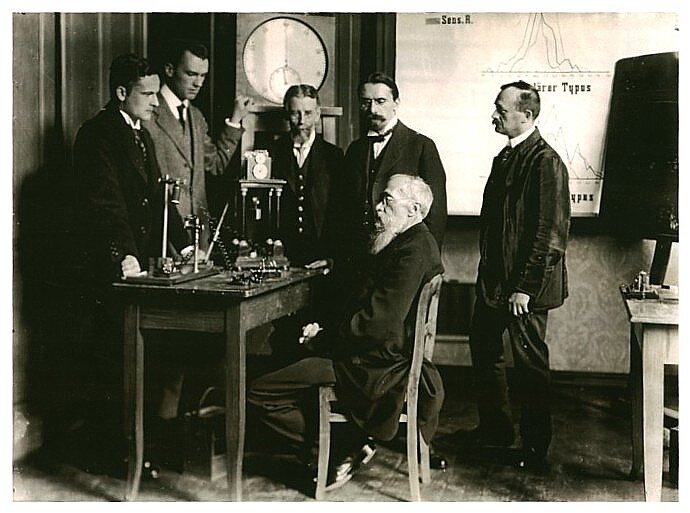
Behaviorism was a direct reaction to this. It argued that for psychology to be a true science, it had to focus on what could be observed and quantified objectively. This meant moving the focus from the internal mind to external behavior. The new goal was to predict and control behavior by studying how it is learned.
The Founders
Two figures stand out in the history of behaviorism: John B. Watson and B.F. Skinner.
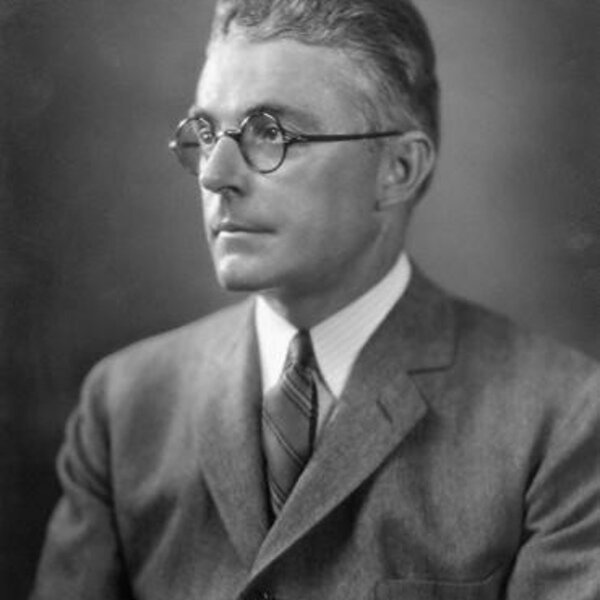
John B. Watson officially established the behavioral school of thought. He argued that psychology should be the science of behavior, not the science of mind. He believed that all behaviors, from simple reflexes to complex emotions, were simply responses to stimuli in the environment. He famously claimed he could take any healthy infant and train them to become any type of specialist he might select—a doctor, lawyer, artist, or even a thief—by shaping their environment.
B.F. Skinner was another influential behaviorist who built upon Watson's foundations. He developed a theory he called radical behaviorism. While he didn't deny the existence of internal thoughts and feelings, he argued they weren't useful for a scientific explanation of behavior.

Skinner's main contribution was his focus on how the consequences of an action influence future behavior. He believed that actions followed by desirable outcomes are more likely to be repeated, while those followed by undesirable outcomes are less likely. This simple principle, he argued, could explain a vast range of human and animal behavior.
What is the primary focus of study for behaviorists?
Behaviorism emerged as a direct reaction against which earlier psychological approach?
Behaviorism provided a new lens through which to view learning and action. By focusing on the observable and the environmental, it set the stage for new ways of understanding how we acquire habits, skills, and even fears.