Understanding Balance Sheets Fundamentals
Introduction to Balance Sheets
What a Balance Sheet Shows
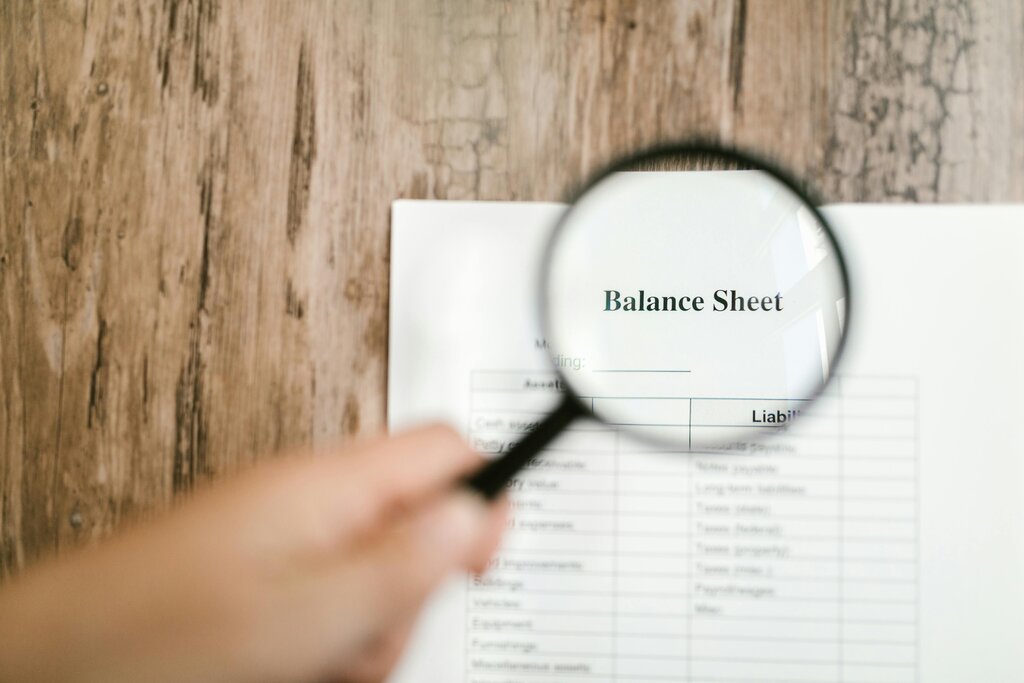
A balance sheet is a financial snapshot. It captures a company's financial health at a single moment in time, like a photograph. It doesn't tell a story over a month or a year; it shows where things stand right now.
The balance sheet provides a snapshot of what a company owns and owes at a specific point in time, presenting assets, liabilities, and shareholders' equity as its principal characters.
The main purpose of this statement is to give a clear picture of what a company owns, what it owes, and the value left over for the owners. It's one of the most important documents for understanding a business's stability and structure.
The Three Key Parts
Every balance sheet in the world is built from three core components: assets, liabilities, and equity. Understanding these three ideas is the key to understanding the entire statement.
Asset
noun
Anything of economic value owned by a business or individual.
Assets are the resources a company uses to operate. This includes things you can touch, like cash, inventory, and equipment, as well as things you can't, like trademarks and patents.
Liability
noun
A financial obligation or debt owed to another person or organization.
Liabilities are what the company owes to others. Think of them as claims that outsiders have on the company's assets. Common examples include loans from a bank, bills owed to suppliers, and employee wages that haven't been paid yet.
Equity
noun
The residual value of an entity's assets after deducting its liabilities.
Equity represents the owners' stake in the company. If you were to sell all the assets and pay off all the liabilities, the money left over would be the equity. It's the value that belongs to the shareholders or owners.
The Balancing Act
The name "balance sheet" comes from the fact that it must always balance. The relationship between the three parts is governed by a simple but powerful rule: the accounting equation.
This makes perfect sense when you think about it. Everything a company owns (its assets) must have been funded by someone. That funding either came from borrowing money (liabilities) or from the owners investing their own money (equity). There's no other way to get assets.
The two sides of the equation must always be equal. If they're not, something is wrong in the accounting.
Imagine a simple coffee shop. Its assets might be $50,000 in cash and equipment. If it got a $30,000 bank loan to start up, that's a liability. The remaining $20,000 must have come from the owner's pocket, which is the equity.
This fundamental balance is the bedrock of all accounting. Let's test your understanding of these core concepts.
What does a balance sheet represent?
The fundamental accounting equation states that a company's assets are funded by either liabilities or equity.
By breaking a company down into these three parts, the balance sheet provides a powerful and standardized way to assess its financial position.