Understanding Ayahuasca and Psychedelics
Introduction to Psychedelics
What Does “Psychedelic” Mean?
The word “psychedelic” might sound modern, but its roots are ancient. It was coined in 1956 by psychiatrist Humphry Osmond. He combined two Greek words: psyche, meaning “mind” or “soul,” and delos, meaning “to make visible” or “to reveal.”
So, psychedelic literally means “mind-manifesting.”
This term was chosen to capture the core experience these substances can produce: a revealing of hidden parts of the mind. Osmond felt that other terms like “hallucinogen” (hallucination-generating) or “psychotomimetic” (psychosis-mimicking) were too limited and carried negative baggage. “Psychedelic” suggested a broader, more neutral, and potentially profound effect on consciousness.
Ancient Roots
While the term is from the 20th century, the use of psychedelic substances is not. For thousands of years, cultures around the world have used plants containing these compounds for spiritual, ritualistic, and healing purposes. This wasn't recreational use as we might think of it today; it was deeply integrated into their social and religious lives.
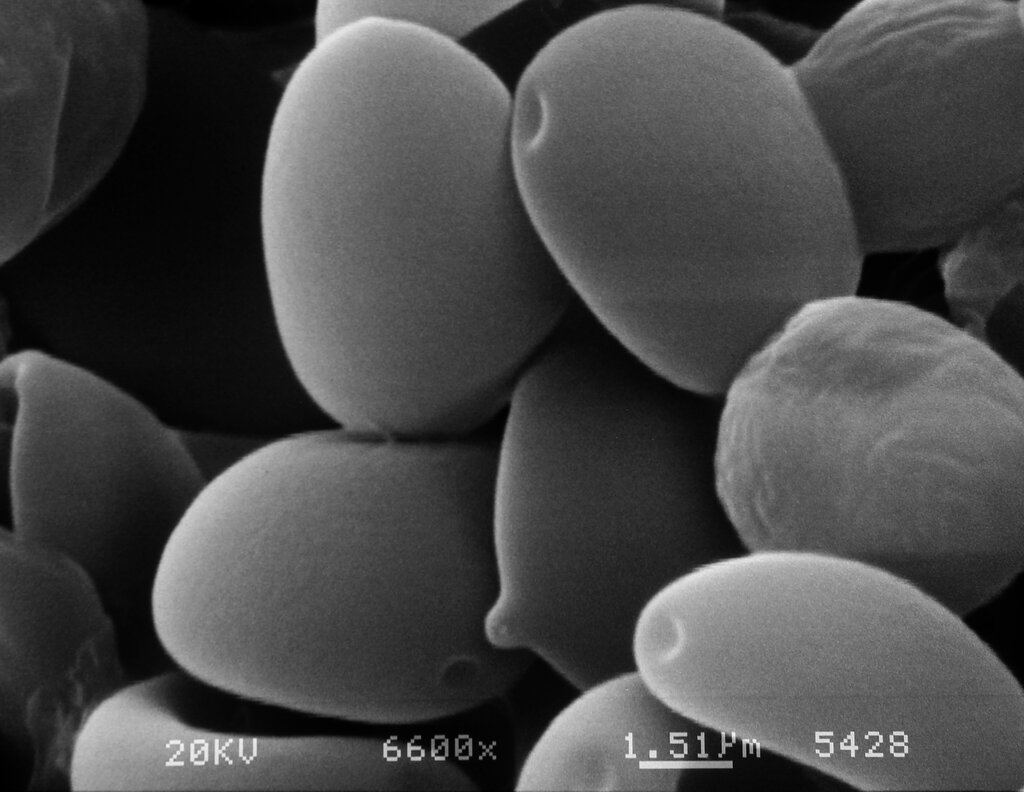
For example, archaeological evidence suggests that psilocybin-containing mushrooms were used in religious ceremonies in Mesoamerica for centuries. The Aztec people referred to them as teonanácatl, which translates to “flesh of the gods.” Similarly, the peyote cactus, which contains mescaline, has a long history of use among indigenous peoples in Mexico and the Southwestern United States, where it is considered a sacred medicine.
These traditions often involved carefully guided ceremonies led by shamans or spiritual leaders. The experiences were used to connect with the divine, gain insight, or heal physical and spiritual ailments. The plants were treated with immense respect, seen as powerful tools for accessing different states of reality.
Three Key Substances
Many different psychedelic compounds exist, but three have played a particularly important role in history and science: psilocybin, mescaline, and LSD.
| Substance | Origin | Type |
|---|---|---|
| Psilocybin | Fungi (e.g., Psilocybe mushrooms) | Natural |
| Mescaline | Cacti (e.g., Peyote, San Pedro) | Natural |
| LSD | Synthesized from ergot fungus | Synthetic |
Psilocybin is the active ingredient in what are commonly called “magic mushrooms.” As we've seen, its use goes back centuries, but the compound itself wasn't isolated and identified until the 1950s by the same chemist who discovered LSD.
Mescaline is the primary psychoactive compound in the peyote cactus. Its traditional use is also ancient, particularly within the Native American Church, where it is a central part of religious ceremonies.
LSD (Lysergic acid diethylamide) is different because it’s a synthetic, or lab-made, chemical. It was first created by Swiss chemist Albert Hofmann in 1938 while he was researching pharmaceutical compounds derived from ergot, a fungus that grows on rye. He set it aside and didn't discover its powerful psychoactive effects until he accidentally absorbed a small amount five years later, in 1943. This led to the first intentional LSD trip, an event now famous among psychedelic enthusiasts as “Bicycle Day.”
A Shifting Landscape
The perception of psychedelics in the West has swung dramatically over the past century. In the 1950s and early 1960s, substances like LSD and psilocybin were seen as promising tools in psychiatry and psychotherapy. Thousands of scientific papers were published on their potential to treat conditions like alcoholism and depression. Researchers were fascinated by their ability to produce profound psychological experiences.
However, by the mid-1960s, these substances escaped the lab and became central to the counterculture movement. The media began to focus on the perceived dangers and associations with social rebellion. This shift in public perception led to a political and legal backlash.
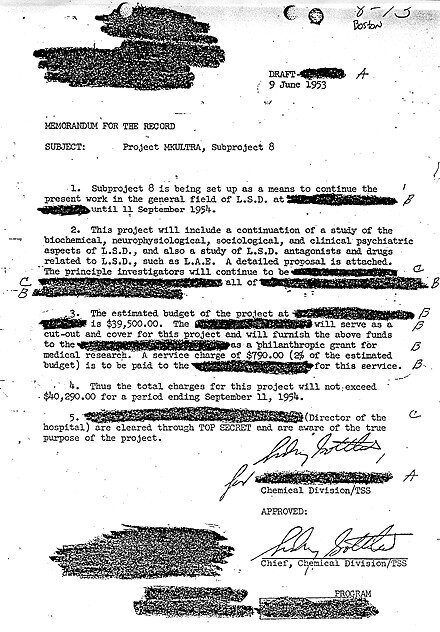
By the end of the decade, a wave of legislation began to criminalize these substances. In the United States, the Controlled Substances Act of 1970 placed LSD, psilocybin, and mescaline into the most restrictive category, Schedule I. This classification defines them as drugs with a high potential for abuse and no accepted medical use, effectively halting most scientific research for decades.
This legal shift pushed psychedelics from the realm of medicine and science into the underground, where they remained for nearly 30 years.
Starting in the 1990s and accelerating in the 21st century, scientific interest in psychedelics has been rekindled. Researchers at major universities are once again studying their effects on the brain and their potential therapeutic benefits, leading to a period often called the “psychedelic renaissance.” This has sparked a new public conversation, challenging old perceptions and re-examining the role these powerful substances could play in society.