Understanding Autism Spectrum Disorder
Introduction to Autism Spectrum Disorder
What Is Autism Spectrum Disorder?
Autism Spectrum Disorder, or ASD, is a neurodevelopmental condition. This means it affects how a person’s brain develops and works, which in turn influences how they experience the world, communicate, and interact with others. It's not an illness or disease.
Autism Spectrum Disorder (ASD) is a developmental disorder that affects communication, behavior, and social interactions.
The key word here is “spectrum.” ASD isn’t a single, uniform condition. It shows up differently in every person. Some autistic people might need significant support in their daily lives, while others may need less. They all have unique strengths and face different challenges.
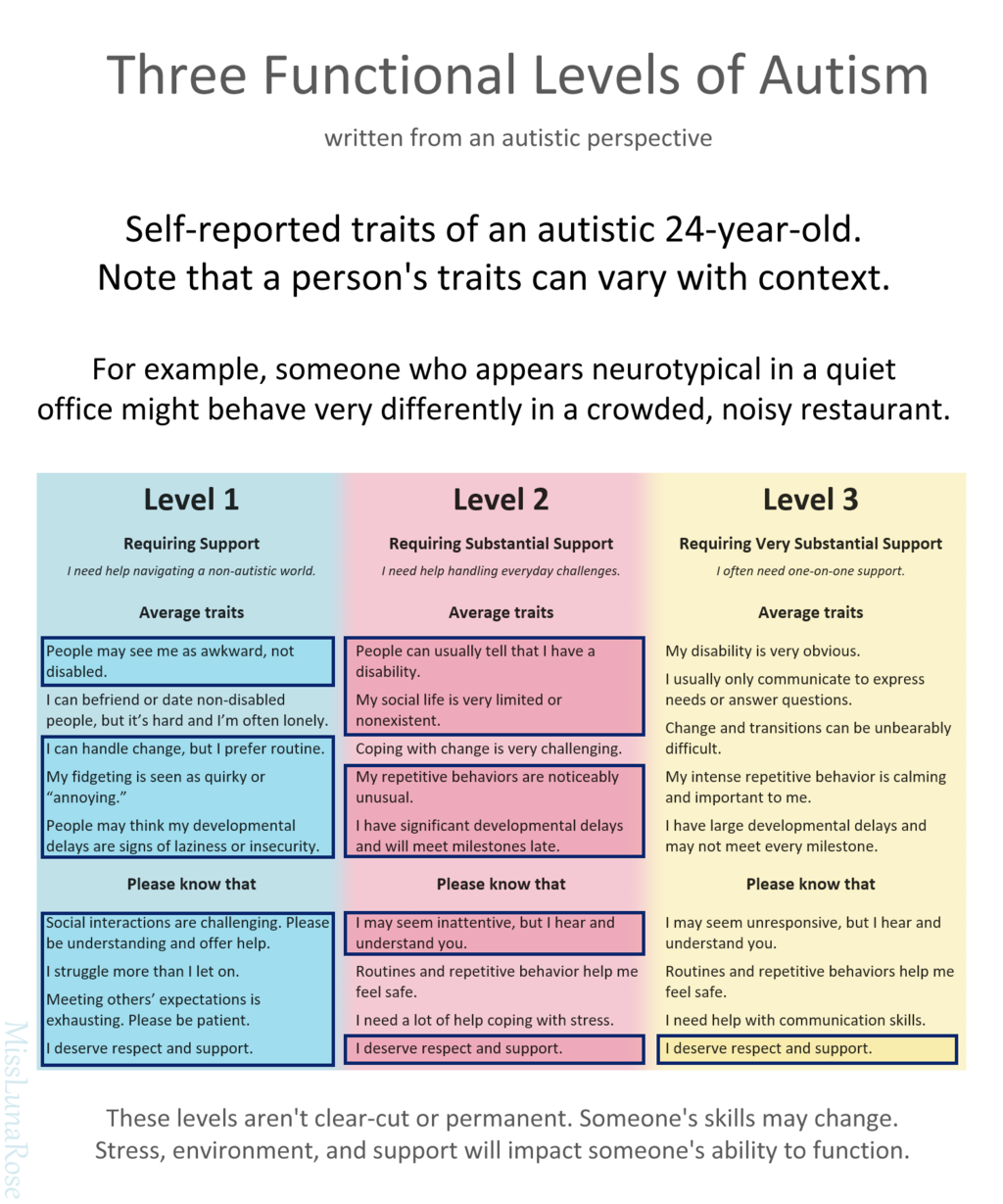
Core characteristics often involve challenges with social communication and interaction, as well as restricted or repetitive patterns of behavior, interests, or activities. For example, an autistic person might find it difficult to interpret social cues like body language or tone of voice. They might also have a deep, passionate interest in a specific topic or find comfort in predictable routines.
How Common Is It?
Autism is more common than many people realize. According to data from the Centers for Disease Control and Prevention (CDC), about 1 in 36 children in the United States is diagnosed with ASD. It's found in all racial, ethnic, and socioeconomic groups.
Boys are nearly four times more likely to be diagnosed with autism than girls. However, many experts now believe that autism in girls and women is often missed or misdiagnosed because their symptoms can present differently.
The number of children diagnosed with ASD has been increasing over the past few decades. This is likely due to a combination of factors, including better awareness among parents and clinicians, and changes in how the condition is diagnosed.
Why Early Identification Matters
Recognizing the signs of autism early is incredibly important. While ASD is a lifelong condition, getting the right support as early as possible can make a huge difference in a child's development and long-term well-being.
The earlier ASD is diagnosed, the sooner treatments and services can begin.
Early intervention helps children develop crucial skills related to communication, social interaction, and daily living. It doesn't aim to “cure” autism, but rather to provide tools and strategies that help an autistic child navigate a world that often isn't built for them. This support is tailored to the individual child's strengths and needs, helping them learn, grow, and thrive.
Let's check your understanding of these core concepts.
What is Autism Spectrum Disorder (ASD)?
The term "spectrum" in Autism Spectrum Disorder highlights that the condition shows up differently in every person.
Understanding what autism is—and what it isn't—is the first step toward creating a more inclusive and supportive world for everyone.