Understanding Atherosclerosis
Introduction to Atherosclerosis
The Clogging of Your Arteries
Think of your arteries as busy highways that carry oxygen-rich blood from your heart to the rest of your body. For everything to run smoothly, these roads need to be clear. Atherosclerosis is what happens when these highways get clogged up. It's a gradual process where a sticky substance called plaque builds up on the inner walls of your arteries.
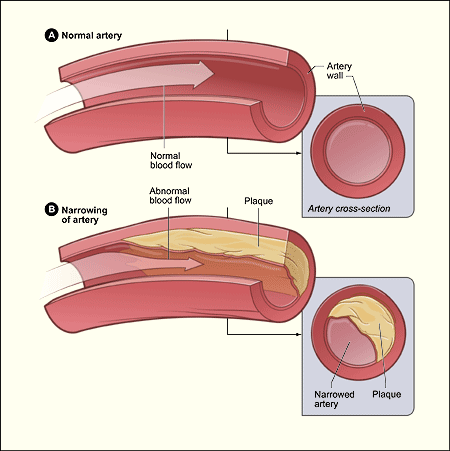
As more plaque accumulates, the arteries can become narrow and stiff. This makes it harder for blood to flow through. Over many years, this reduced blood flow can lead to serious problems like heart attacks and strokes, depending on which arteries are affected.
Plaque
noun
A sticky buildup inside arteries, made of fat, cholesterol, calcium, and other substances found in the blood.
What Causes Plaque Buildup?
Plaque buildup doesn't happen overnight. It starts when the inner lining of an artery, called the endothelium, gets damaged. This damage can be caused by several factors, creating a rough spot where sticky materials can latch on.
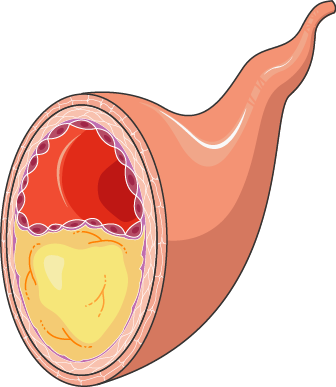
Once the lining is damaged, your body's repair process kicks in. Immune cells and other substances rush to the site. This process is supposed to heal the artery, but sometimes it goes into overdrive. Cholesterol, particularly a type known as low-density lipoprotein (LDL) or "bad cholesterol," can get trapped at the injury site. Over time, this mixture of cholesterol, cells, and other debris hardens into plaque.
Low-density lipoprotein cholesterol (LDL-C), bad cholesterol, contributes to a thick, hard substance in your arteries called plaque.
This creates a vicious cycle. The plaque itself causes inflammation, which attracts more immune cells and leads to even more plaque. The buildup grows slowly, often over decades, narrowing the artery bit by bit.
Key Risk Factors
While atherosclerosis can affect anyone, certain factors significantly increase your risk of developing it. These factors often work together, speeding up the damage and plaque buildup in your arteries.
| Risk Factor | How It Contributes |
|---|---|
| High Cholesterol | Excess LDL ("bad") cholesterol is a primary ingredient of plaque. |
| High Blood Pressure | The force of high blood pressure can damage the artery walls, making them prone to plaque buildup. |
| Smoking | Chemicals in tobacco smoke can damage the endothelium, raise cholesterol, and increase blood pressure. |
| Diabetes | High blood sugar levels can damage artery walls and contribute to higher cholesterol and blood pressure. |
| Obesity | Often associated with high cholesterol, high blood pressure, and diabetes, all of which drive atherosclerosis. |
| Inflammation | Chronic inflammation from conditions like arthritis or infections can promote plaque formation throughout the body. |
Managing these risk factors is the most effective way to slow down the progression of atherosclerosis and protect your circulatory system. Understanding what causes the condition is the first step toward prevention.