Understanding Artificial Intelligence
Introduction to AI
What Is Artificial Intelligence?
At its core, artificial intelligence is about creating machines that can think, learn, and solve problems like humans do. It's a broad field in computer science focused on building systems that can perform tasks that would normally require human intelligence. This doesn't mean creating conscious robots from science fiction. Instead, it's about enabling computers to recognize patterns, understand language, and make decisions based on data.
This introduction to this special issue discusses artificial intelligence (AI), commonly defined as “a system’s ability to interpret external data correctly, to learn from such data, and to use those learnings to achieve specific goals and tasks through flexible adaptation.”
Think of it this way: you can teach a dog to fetch by repeatedly throwing a ball and rewarding it. The dog learns from experience. AI, particularly a subfield called machine learning, works in a similar way. Instead of a dog, you have a computer program. Instead of throwing a ball, you feed it massive amounts of data. The program learns to identify patterns and make predictions from that data without being explicitly programmed for every single task.
A Brief History of AI
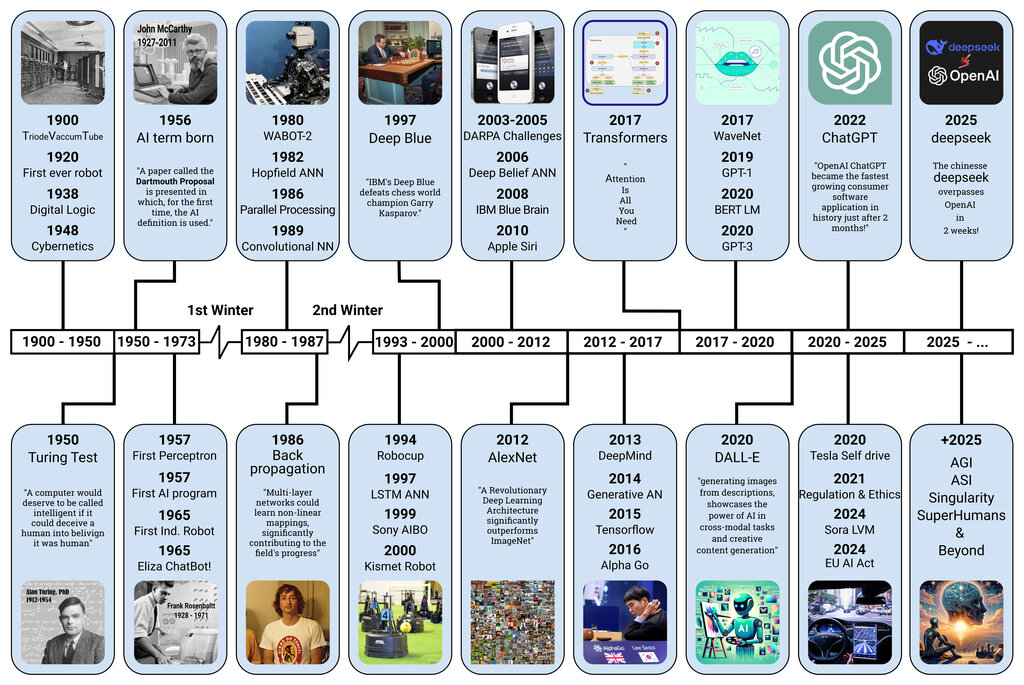
The dream of intelligent machines has been around for centuries, but the actual field of AI began in the 1950s. A pivotal moment was the Dartmouth Workshop in 1956, where the term "artificial intelligence" was officially coined. Early researchers were optimistic, believing that a machine as intelligent as a human being was just a few decades away.
However, progress was slower than expected. The complexity of creating intelligence was immense, and computing power was limited. This led to periods known as "AI winters," when funding dried up and public interest waned. But the field never died. Breakthroughs continued, and with the explosion of data and powerful computers in the 21st century, AI experienced a massive resurgence.
The Flavors of AI
AI isn't a single thing; it's a collection of specialized fields. Each one focuses on a different aspect of intelligence. The relationship between these fields is often nested, with broader categories containing more specific ones.
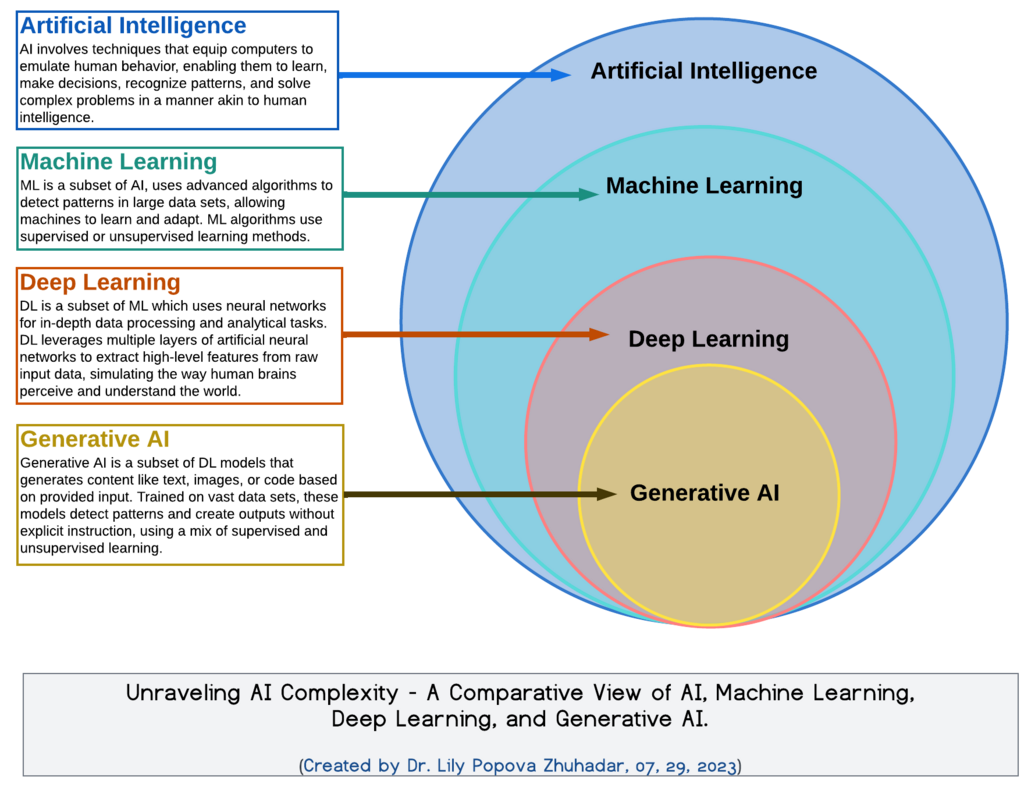
Here are some of the most important subfields:
| Subfield | Focus | Common Example |
|---|---|---|
| Machine Learning | Algorithms that learn patterns from data. | A spam filter that learns to detect junk email. |
| Natural Language Processing (NLP) | Enabling computers to understand human language. | Voice assistants like Siri or Alexa. |
| Computer Vision | Allowing machines to interpret visual information. | Unlocking your phone with facial recognition. |
| Robotics | Building physical machines that can perform tasks. | Automated assembly lines in a car factory. |
These fields often overlap. For example, a self-driving car uses computer vision to "see" the road, machine learning to predict the actions of other cars, and robotics to control its physical movement.
Why AI Matters Now
AI is no longer just a subject of academic research. It has become a driving force in technology and society, changing how we live and work. From personalized recommendations on streaming services to advanced medical diagnostics, AI is quietly powering many of the tools we use every day.
Its significance lies in its ability to automate complex tasks, analyze vast amounts of data far beyond human capability, and uncover insights that can lead to new discoveries. As technology continues to advance, the role of AI in solving some of the world's biggest challenges, from climate change to disease, is only set to grow.
AI's primary impact is its ability to process and make sense of the enormous digital world we've created, turning raw data into useful actions and knowledge.
Ready to test your understanding of these core concepts?
What is the primary goal of artificial intelligence?
What was the significance of the Dartmouth Workshop in 1956?
This introduction covers the basic landscape of AI. By understanding its definition, history, and key subfields, you're now equipped to explore the more specific ways AI is shaping our world.