Understanding Anti-Financial Crime
Introduction to Financial Crime
The Shadow Economy
Financial crime is a broad term for any illegal activity involving money or financial systems. It's not just about elaborate heists you see in movies. It ranges from a single person committing credit card fraud to vast international networks moving illicit funds across borders. At its core, financial crime is about using deception, manipulation, or abuse of trust to gain a financial advantage illegally.
financial crime
noun
Any non-violent criminal act that results in financial loss, typically involving deceit, concealment, or a violation of trust.
These crimes are often called "white-collar crimes" because they don't involve physical violence, but their impact can be just as devastating. They can drain life savings, bankrupt companies, and even fund other dangerous criminal activities. Let's look at some of the most common forms.
Four Faces of Financial Crime
While there are many types of financial crime, four categories cover most of the landscape: money laundering, terrorist financing, fraud, and corruption.
Money Laundering: Making 'dirty' money look clean.
Imagine a criminal organization makes millions from drug trafficking. That cash is "dirty" because it's directly linked to a crime. They can't just deposit it into a bank without raising suspicion. Money laundering is the process of cleaning that money by passing it through a series of complex transactions to hide its illegal origins. The goal is to make the funds appear as if they came from a legitimate source, like a business or investment.
Next is terrorist financing. This involves providing funds for terrorist activity. It's often discussed alongside money laundering, but there's a key difference. With money laundering, the source of the money is illegal. With terrorist financing, the funds can come from perfectly legal sources, like donations or business profits. The crime is the illegal purpose the money is used for.
Fraud: Deception for financial gain.
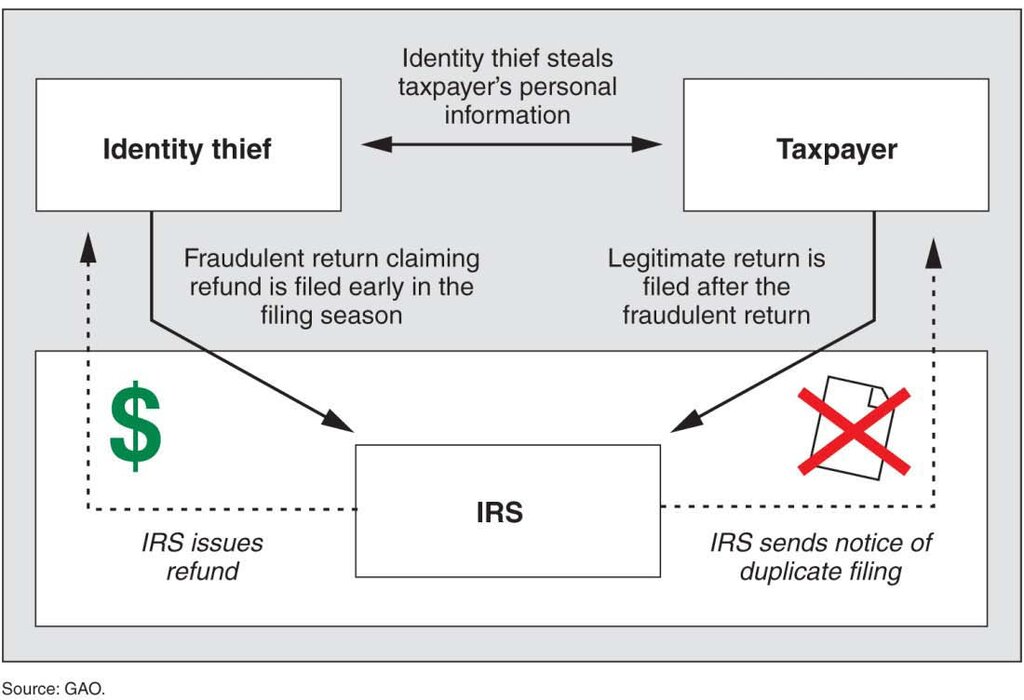
Fraud is a very broad category that includes any act of intentional deception to secure unfair or unlawful gain. This could be as simple as using a stolen credit card or as complex as a corporate scheme to falsify financial statements. Identity theft is a common and particularly harmful form of fraud, where criminals steal personal information to impersonate someone else for financial benefit.
Finally, there's corruption. This is the abuse of an entrusted position for private gain. It typically involves people in positions of power, like government officials or corporate executives. Bribery, where money is offered to influence a decision, and embezzlement, the theft of assets by a person they were entrusted to, are classic examples of corruption.
The Global Impact
Financial crime is not a victimless offense. The amount of money laundered globally in one year is estimated to be 2-5% of global GDP, which translates to trillions of dollars. This isn't just numbers on a spreadsheet. It's money that is diverted from legitimate economies, robbing governments of tax revenue that could be spent on schools, roads, and healthcare.
These illicit financial flows can destabilize entire countries by undermining financial institutions and promoting corruption. This erodes public trust and can even threaten political stability. By funding everything from drug trafficking to human trafficking and terrorism, financial crime fuels a cycle of violence and exploitation around the world.
To curtail illicit financial flows, GFI recommends that world leaders focus on curbing the opacity in the global financial system—comprising, among other things, tax haven secrecy; anonymous companies, and money laundering techniques—which facilitates these outflows.
Combating financial crime is crucial for maintaining the integrity of the global financial system. It's about protecting individuals from fraud, ensuring businesses can compete on a level playing field, and cutting off the financial oxygen that fuels wider criminal networks. It requires a coordinated effort from governments, law enforcement, and financial institutions worldwide to create a more transparent and secure financial environment for everyone.

Understanding the basics of what financial crime is and the harm it causes is the first step in recognizing its importance.
Let's test your understanding of these core concepts.
What is the primary difference between money laundering and terrorist financing?
A corporate executive secretly diverts company funds to their personal bank account. This is a classic example of:
By understanding these fundamental threats, we can better appreciate the systems and strategies designed to protect our financial world.