Understanding Anger The Emotion
Understanding Anger
What is Anger?
Anger is a completely normal human emotion. Think of it as an internal alarm system. It goes off when you perceive a threat, an injustice, or a violation of your personal boundaries. It's a signal that something is wrong and needs your attention.
It can range from mild irritation to intense rage. While often seen as negative, anger itself isn't good or bad. It’s simply a piece of information about your internal state and your relationship with the world around you. What matters is how you understand and respond to it.
Anger is a natural and valid emotion, one that every human experiences.
Common Anger Triggers
The things that set off our internal alarm are called triggers. They can be big or small, and they vary a lot from person to person. Generally, they fall into a few common categories.
| Trigger Type | Examples |
|---|---|
| Personal Frustrations | Getting stuck in traffic, making a mistake at work, a slow internet connection. |
| Interpersonal Conflicts | An argument with a partner, feeling ignored by a friend, being criticized by a boss. |
| Perceived Injustice | Seeing someone cut in line, hearing an unfair comment, reading about a social injustice. |
| External Stressors | Financial pressure, tight deadlines, worrying about a loved one's health. |
Identifying your personal triggers is a crucial first step. What makes you feel frustrated, disrespected, or powerless? Noticing these patterns helps you prepare for and understand your emotional responses instead of just being swept away by them.
Your Body on Anger
When your brain detects a trigger, it sets off a rapid chain reaction in your body. This is the activation of your sympathetic nervous system, getting you ready for immediate, physical action. It's an automatic process you don't consciously control.
Your adrenal glands pump out stress hormones like adrenaline and cortisol. These hormones cause a cascade of physical changes:
Your heart pounds to pump more blood to your muscles. Your breathing becomes quick and shallow to take in more oxygen. Your muscles tense up, preparing for action. You might feel hot or start to sweat. This physical arousal is why anger can feel so powerful and overwhelming.
Your Mind on Anger
Just as anger hijacks your body, it can also take over your mind. The intense emotional and physiological arousal has significant psychological effects. When you're angry, the more emotional parts of your brain, like the amygdala, become highly active, while the more rational parts, like the prefrontal cortex, take a backseat.
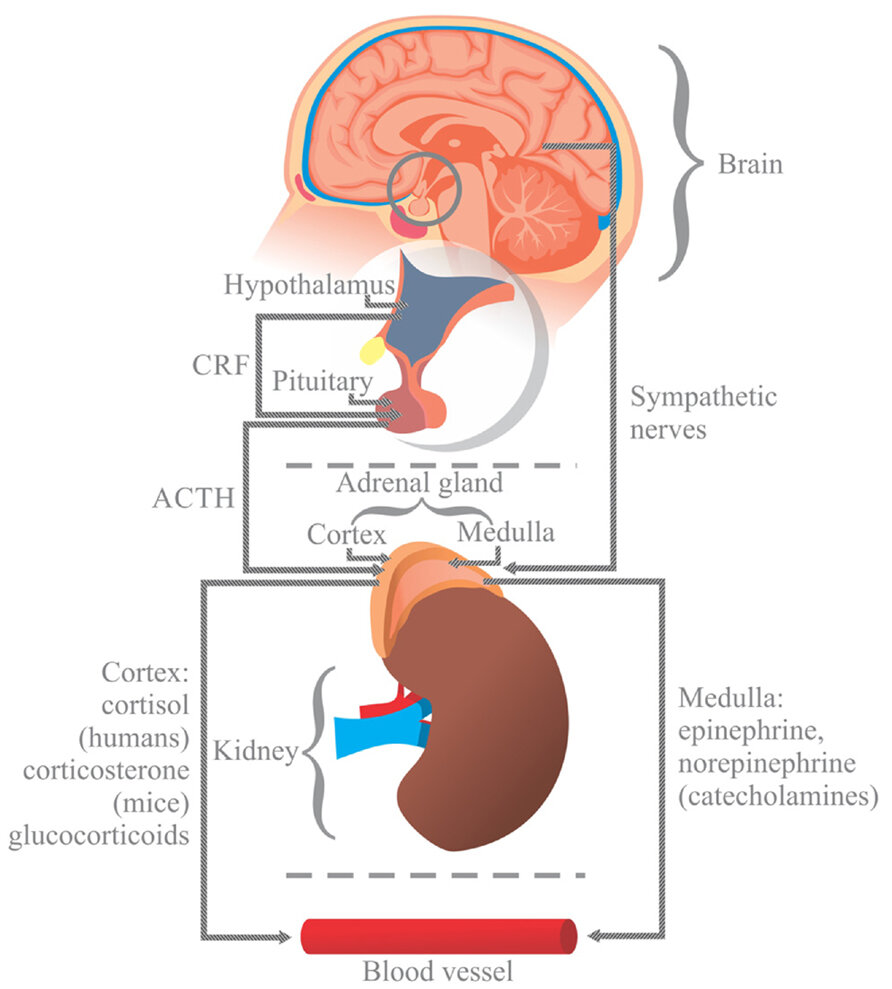
This shift can lead to:
- Impaired judgment: It's harder to think clearly, weigh consequences, or see a situation from another person's perspective. Your focus narrows to the source of your anger.
- Heightened aggression: The 'fight' response can create a strong urge to lash out, either verbally or physically. Problem-solving becomes more difficult, and confrontation can feel like the only option.
Understanding that these effects are a natural part of the anger response is key. It helps explain why we sometimes say or do things in the heat of the moment that we later regret. Recognizing this process as it happens is the foundation for learning to manage it.